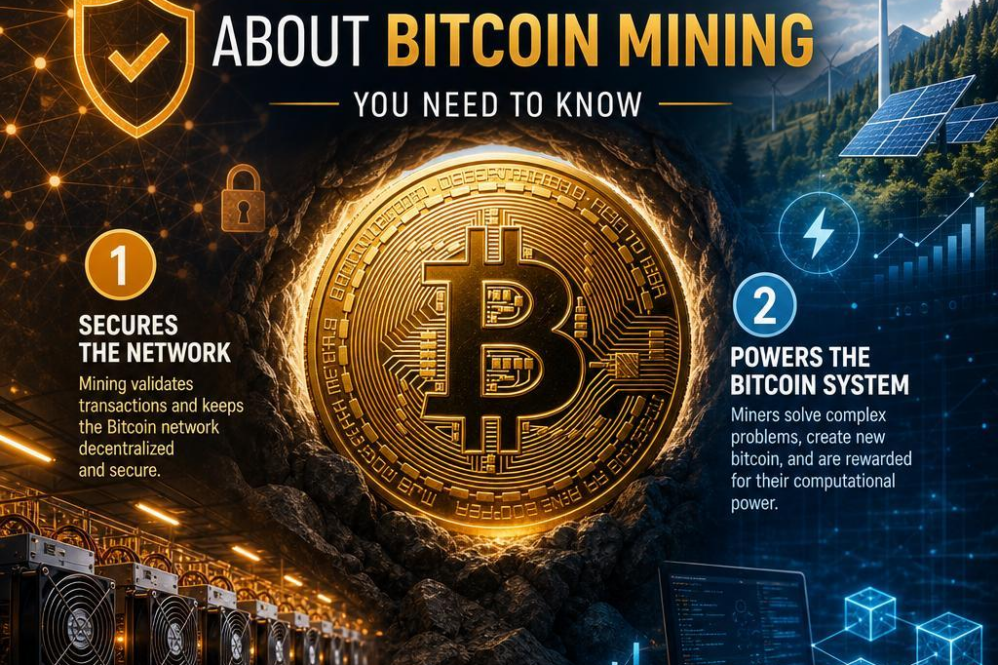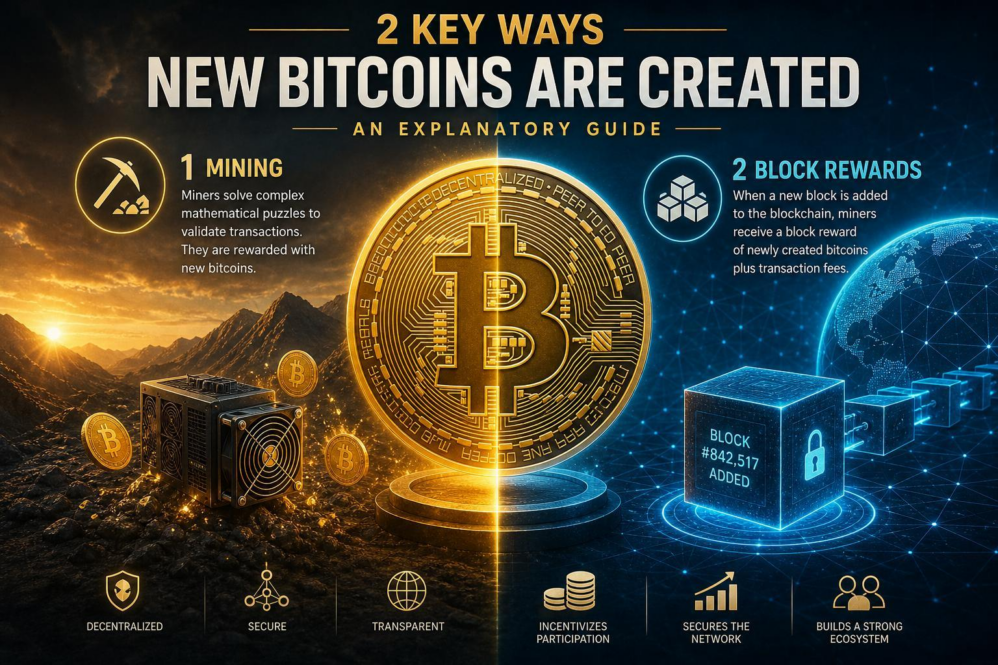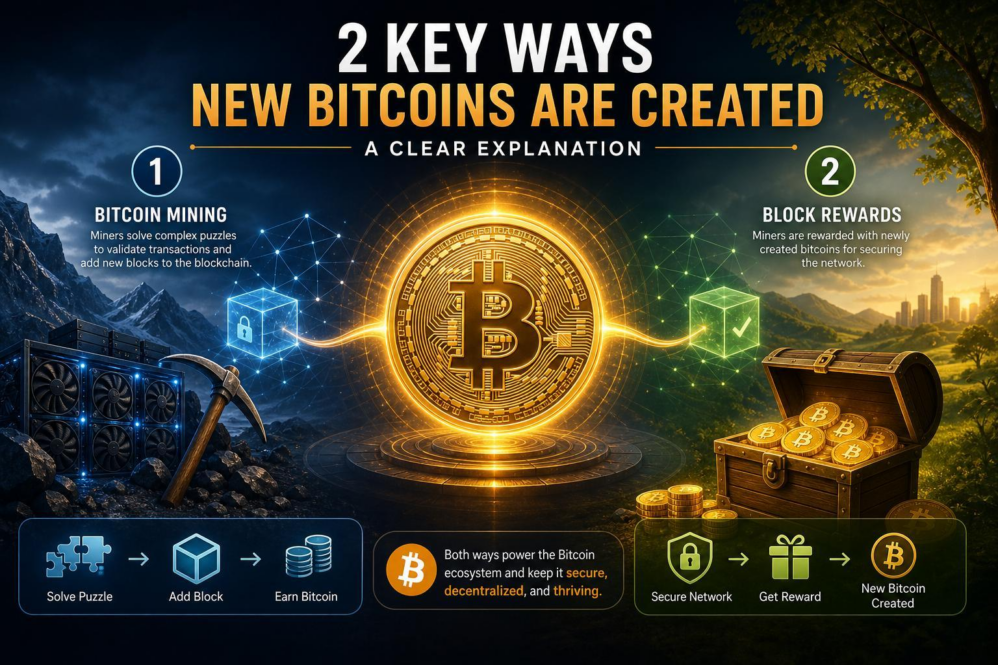
Discover 2 key facts about Bitcoin mining in our quick listicle! Learn how mining secures the network and why energy use sparks debate-essential insights for anyone following crypto today.
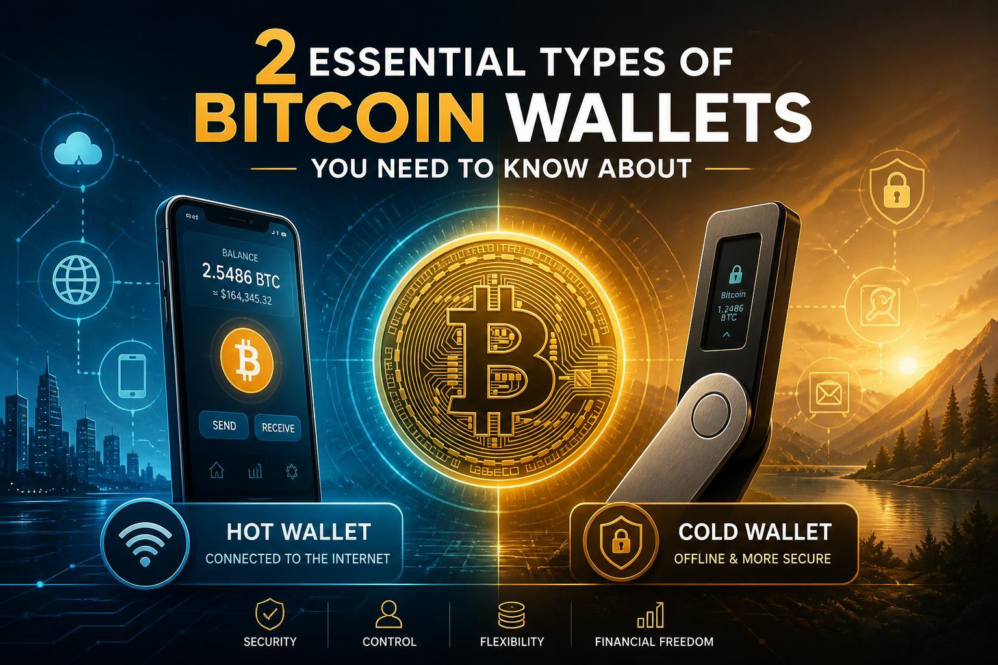
Discover “2 Simple Steps to Get Your First Bitcoin Wallet Explained” – a quick, clear guide breaking down the essentials of setting up your Bitcoin wallet. Perfect for beginners eager to start their crypto journey confidently.
1) WikiLeaks’ 2010 financial blockade prompted Bitcoin adoption as donations surged after major payment processors cut off support In late 2010, WikiLeaks faced severe financial censorship after major payment processors like Visa, Mastercard, and PayPal […]
1) Bitcoin operates on a decentralized blockchain network, eliminating reliance on traditional banking systems that often destabilize in hyperinflationary environments BitcoinS underlying architecture is built on a decentralized blockchain, a distributed ledger maintained by a […]
1) the 2022 Canadian Trucker Protest was a significant movement primarily driven by opposition to COVID-19 vaccine mandates affecting cross-border truck drivers, highlighting broader concerns about government overreach and personal freedoms The 2022 Canadian Trucker […]
1) Block Size Limitation: Bitcoin’s base layer enforces a block size limit of 1 megabyte,constraining the number of transactions that can be included in each block and thereby directly influencing the maximum throughput of around […]
1) Proof-of-Work (PoW) is a consensus mechanism used by Bitcoin to validate transactions and secure the network by requiring miners to solve complex mathematical puzzles,ensuring only legitimate transactions are recorded on the blockchain At the […]
1) Mining difficulty is a measure of how hard it is to find a new block compared to the easiest it can ever be, ensuring that Bitcoin’s blockchain maintains a consistent block time of approximately […]
1) A Bitcoin block is a record in the blockchain that aggregates multiple transactions into a single, verifiable data unit, ensuring the network’s integrity and security Bitcoin blocks serve as foundational units in the blockchain, […]
1) Quantum attacks on ECDSA Signatures: Bitcoin relies on the Elliptic Curve Digital Signature Algorithm (ECDSA) to secure transactions, but quantum computers have the potential to solve the underlying mathematical problems much faster, threatening the […]