
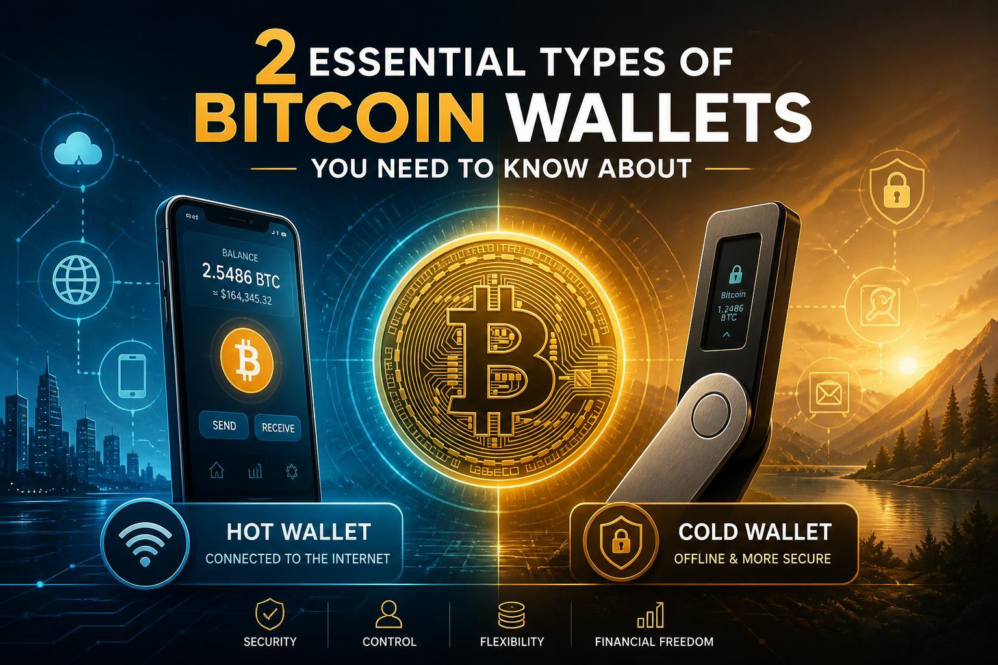
1) Hardware Wallets: These physical devices store your Bitcoin offline, providing a high level of security against hacking and online threats. By keeping your private keys isolated from internet-connected devices, hardware wallets like Ledger or Trezor ensure your digital assets remain safe, especially for long-term holders or those with significant amounts
Physical security meets digital convenience: these compact devices are designed to store your private keys isolated from any internet connection, effectively eliminating the risk of remote hacking attempts. users can authorize transactions by physically interacting with the device, adding an extra layer of confirmation that software wallets cannot provide. This is why hardware wallets have earned their reputation for safeguarding assets against malware, keyloggers, and phishing scams.
Ideal for serious holders and long-term custodians: If you’re planning to hold a significant amount of Bitcoin over a prolonged period, a hardware wallet is your go-to solution. Unlike software wallets that often run on internet-connected devices prone to vulnerabilities, hardware wallets keep your keys offline, drastically reducing potential attack vectors. This makes them particularly suited for those prioritizing security over immediate accessibility.
- Compact and portable with user-friendly interfaces
- Compatible with multiple cryptocurrencies and platforms
- Require physical confirmation for transaction approval
- Backups and recovery seed phrases essential for asset accessibility
| Feature | Benefit | Consideration |
|---|---|---|
| Offline Storage | Immunity to online hacks | Device must be kept physically secure |
| transaction Confirmation | Protects against unauthorized spends | Requires user interaction for every transaction |
| Backup Seed Phrase | Enables wallet recovery if lost | Must be stored securely, preferably offline |