
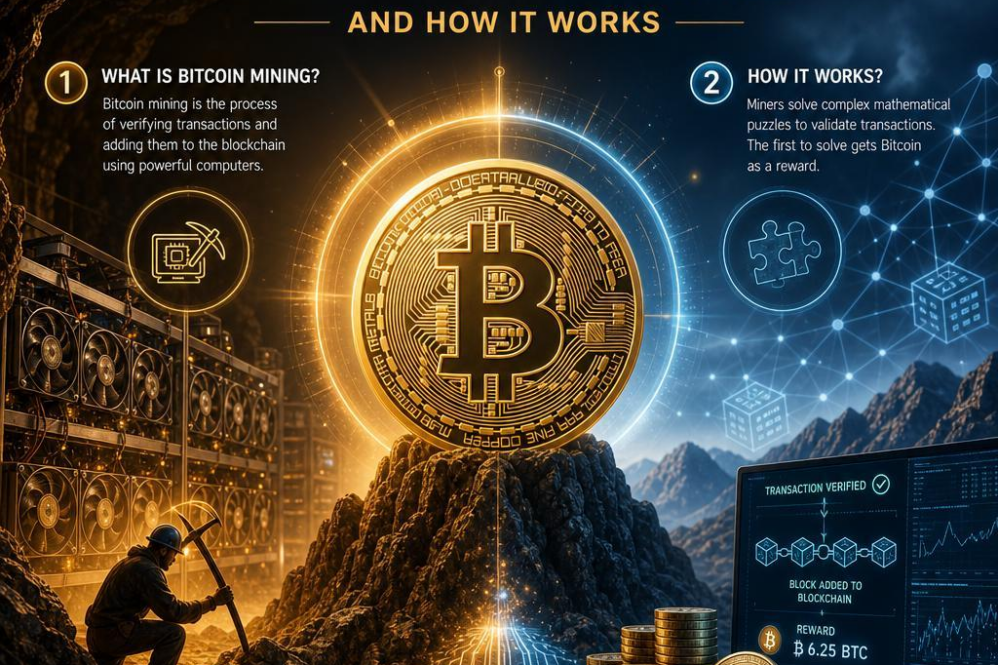
1) Bitcoin mining is the process where powerful computers solve complex mathematical problems to validate and secure transactions on the blockchain, ensuring the integrity and chronological order of the ledger
At its core, mining is the backbone of the bitcoin network, relying on high-powered computers-known as miners-that race to solve cryptographic puzzles. These puzzles are no ordinary math problems; they are designed to be computationally intensive, ensuring that confirming transactions takes meaningful time and effort. This mechanism, known as Proof of Work, not only validates transactions but secures the entire network from fraudulent activities.
Mining plays a critical role in maintaining the ledger’s order. Each successfully solved puzzle results in the addition of a new block to the blockchain, compiling a chronological chain of transaction records. Miners must link blocks in a way that reflects the entire history of the network,preserving a secure and immutable timeline. This process guarantees that past transactions cannot be altered without re-mining every subsequent block, a task near impossible due to the computational effort required.
Key elements of the mining process include:
- Verifying the authenticity of each transaction submitted to the network.
- Grouping transactions into blocks for inclusion in the blockchain.
- Competing to solve complex mathematical challenges to add the next block.
- Ensuring the secured and transparent update of the ledger visible to all participants.
2) Miners are rewarded with new bitcoins and transaction fees, which not only incentivizes their work but also introduces new coins into circulation, serving as a critical mechanism for Bitcoin’s decentralized issuance
In the Bitcoin network, miners play a vital dual role: they validate transactions and maintain the blockchain, while simultaneously earning rewards that fuel their motivation and sustain the system’s growth. Every time a miner successfully adds a new block to the blockchain, they recieve a reward consisting of newly minted bitcoins as well as the transaction fees included by users in their transactions. This dual compensation model is essential to the decentralized nature of Bitcoin, ensuring miners have both immediate and long-term incentives aligned with network security.
Transaction fees act as a supplementary income for miners, especially as the issuance of new bitcoins decreases over time.These fees emerge as users compete to have their transactions processed quickly, offering higher fees to prioritize their confirmation. This dynamic market-driven fee structure not only helps manage network congestion but also gradually shifts mining compensation from block subsidies to transaction fees, securing miner participation even as bitcoin creation slows.
| Reward Component | Purpose | Impact on Network |
|---|---|---|
| new Bitcoins | Introduces fresh supply | Ensures decentralized currency issuance |
| Transaction Fees | incentivizes mining of valid transactions | Balances network load and miner revenue |
This reward mechanism is more than a simple payout system-it is indeed a carefully crafted economic model ensuring the Bitcoin network remains secure, decentralizedand self-sustaining. By introducing new bitcoins into circulation in a predictable and transparent manner, the system limits inflation while promoting scarcity. Meanwhile, transaction fees help prioritize valid transactions, reinforcing trust and efficiency in the network’s operation.