
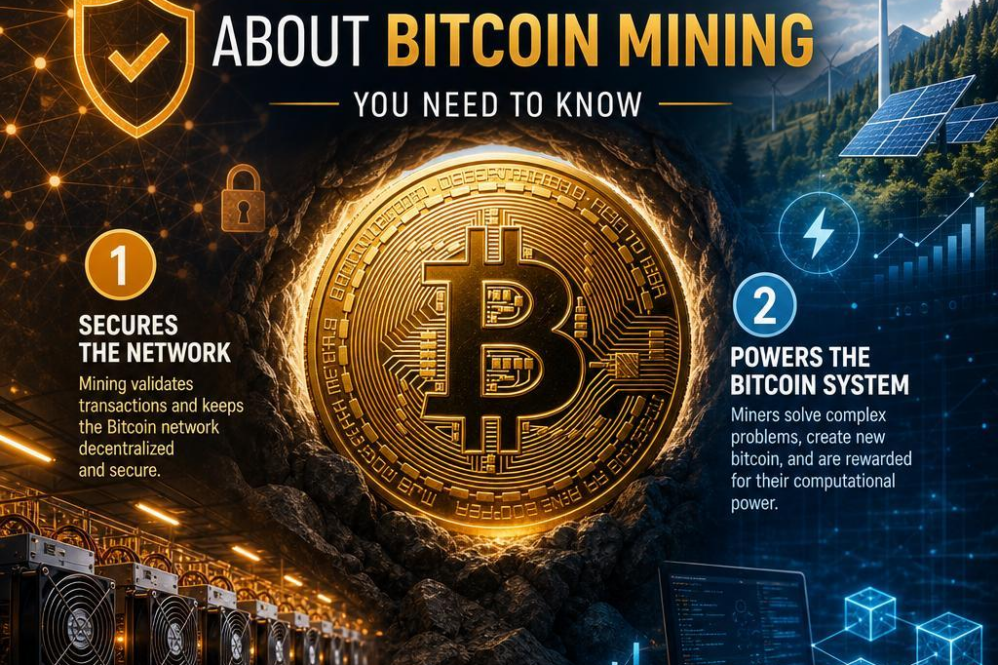
1) Bitcoin mining is the process through which new bitcoins are created and transactions are verified on the blockchain. miners use powerful computers to solve complex mathematical puzzles, and in return, they are rewarded with newly minted bitcoins and transaction fees, securing the network and maintaining its decentralized nature
At the core of Bitcoin’s network lies the crucial activity of mining, a system designed to both create new bitcoins and safeguard the integrity of transactions. Specialized computers, frequently enough known as mining rigs, engage in an intense computational race to solve cryptographic puzzles. This process, called Proof of Work, requires miners to expend massive processing power, ensuring that every transaction recorded on the blockchain is legitimate and tamper-proof.
The incentives for miners extend beyond just validating transactions. By successfully solving these puzzles, miners earn freshly minted bitcoins as rewards along with the transaction fees paid by users. This dual reward system fuels the continued investment in mining hardware and energy, keeping the network robust. Importantly, mining also serves to regulate the issuance rate of new bitcoins, maintaining scarcity and supporting its value over time.
Bitcoin mining’s decentralized nature means no single entity controls the ledger; instead, thousands of miners worldwide collectively secure the system. This distributed network resists attempts at fraud or centralized manipulation, making the blockchain a revolutionary technology for transparent and trustless transactions. Through this ingenious blend of game theory, cryptography, and economics, Bitcoin mining stands as the backbone of the entire cryptocurrency ecosystem.
2) The energy consumption of Bitcoin mining is a significant factor often discussed in the industry. Mining operations require substantial electricity, which has led to debates about environmental impacts and the pursuit of enduring solutions, such as the use of renewable energy sources and more efficient mining hardware
Bitcoin mining’s appetite for electricity is immense, consuming energy on a scale comparable to that of entire countries. This high power demand primarily stems from the computational strength needed to solve complex mathematical puzzles-a critical process that validates transactions and secures the blockchain. However, this substantial electricity use has ignited a global conversation about the environmental footprint of mining activities, especially since many operations still rely on non-renewable energy sources.
In response to these concerns, innovators and industry leaders are actively exploring ways to minimize the ecological impact while maintaining network security. Emphasis has shifted toward integrating renewable energy sources such as hydro, solar, and wind power into mining setups. These cleaner alternatives not only reduce carbon emissions but can also lower operational costs, making sustainable mining both an environmental and economic priority moving forward.
Additionally, the evolution of mining hardware plays an essential role in energy efficiency. Modern devices are designed to perform more computations per watt of electricity consumed, reducing waste and maximizing output. Below is a simplified comparison of typical power usage between older and newer mining rigs:
| Hardware Type | Approximate Power Consumption | Efficiency |
|---|---|---|
| Legacy Mining Rig | 1500 watts | Low |
| Next-Gen Mining Rig | 800 Watts | high |
- Renewables integration: Minimizes carbon footprint.
- Hardware improvements: Drive better energy-to-hash ratios.
- Industry initiatives: Encourage sustainable practices globally.