

 DAN: Bitcoin is a decentralized digital currency that has been gaining traction in recent years. It was created in 2009 by an anonymous individual or group of individuals under the pseudonym Satoshi Nakamoto. Bitcoin is a peer-to-peer system, meaning that transactions take place directly between users without the need for a third-party intermediary. This makes it a secure and private form of payment.
The rise of Bitcoin can be attributed to a number of factors. Firstly, it is a decentralized currency, meaning that it is not subject to the control of any government or central bank. This makes it attractive to those who are looking for an alternative to traditional currencies. Secondly, it is a secure form of payment, as it is not vulnerable to fraud or theft. Thirdly, it is a global currency, meaning that it can be used in any country. Finally, it is a relatively low-cost form of payment, as there are no transaction fees associated with it.
The rise of Bitcoin has been rapid and has been accompanied by a number of challenges. Firstly, it is a volatile currency, meaning that its value can fluctuate significantly. Secondly, it is not widely accepted as a form of payment, meaning that it is not yet a mainstream currency. Finally, it is subject to regulation in some countries, meaning that it is not always easy to use.
Despite these challenges, Bitcoin has become increasingly popular in recent years. It has been adopted by a number of businesses and individuals, and its value has risen significantly. This has led to a surge in interest in the currency, and it is now seen as a viable alternative to traditional currencies. As such, it is likely to continue to gain traction in the years to come.
The dawn of the digital age is ushering in an increasingly diverse and globalized economy. As such, it is no surprise that cryptocurrency is becoming an ever-more prominent part of our financial world. Bitcoin is the original and most well-known cryptocurrency, and its emergence has created a need for further understanding of cryptocurrency as a concept, and of bitcoin itself. In this article, we will provide an overview of bitcoin, and discuss the implications of its rise in the financial world.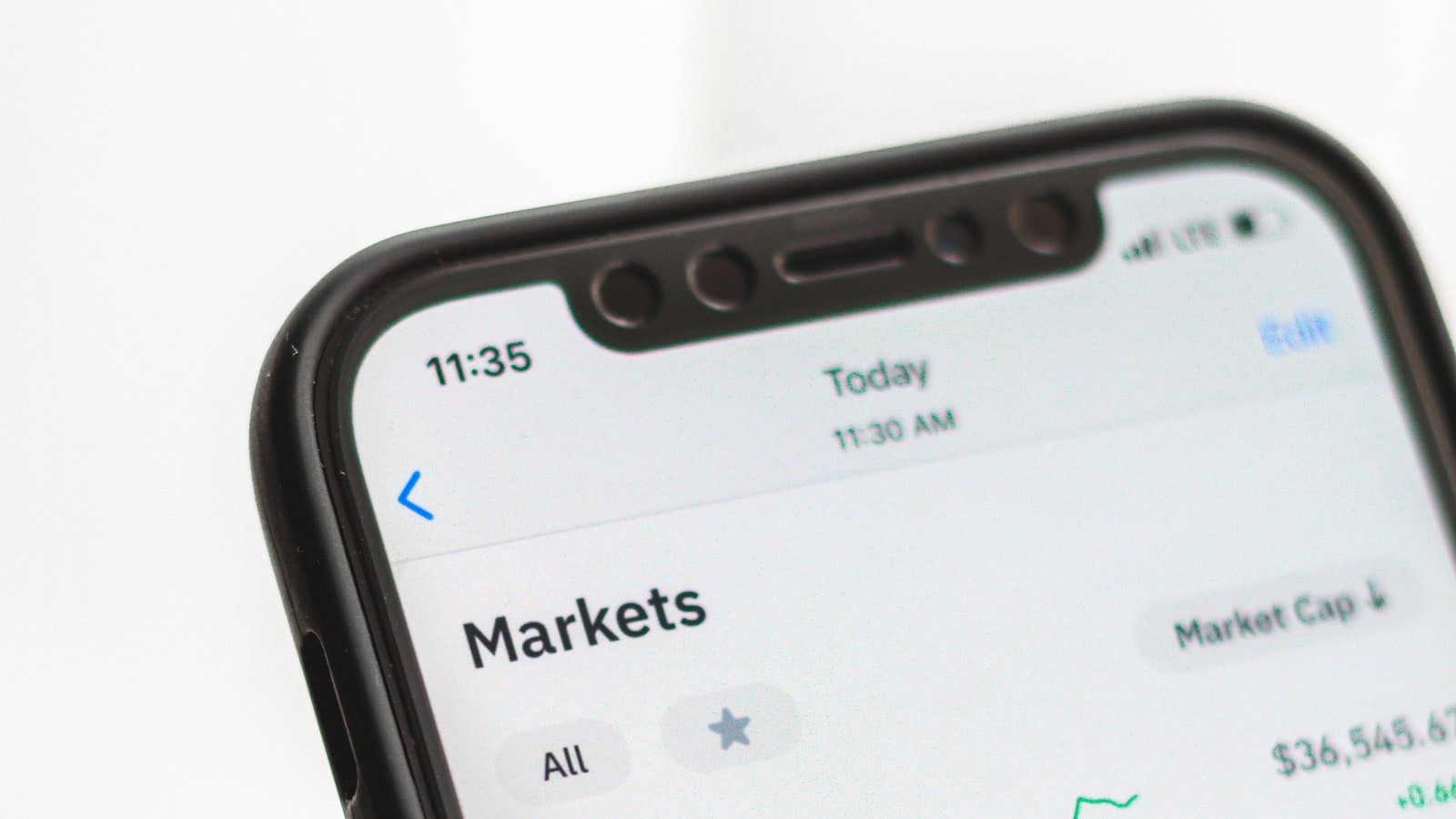
I. Exploring the Basics of Bitcoin
Bitcoin is a digital asset and a payment system, which is often referred to as a “digital currency” or “cryptocurrency”. It was created in 2009 by an anonymous person or group known as “Satoshi Nakamoto”, allowing individuals to transfer money without the need for an intermediary financial institution such as a bank. In this way, Bitcoin acts as a decentralized peer-to-peer (P2P) financial system.
To understand Bitcoin, it is important to look at the three fundamental concepts that form its basis:
- Blockchain technology. Bitcoin is powered by a public ledger of transactions called the blockchain, which is a distributed database of all confirmed Bitcoin transactions. The blockchain is constantly updated and maintained by computer networks, all connected to the Bitcoin network, on computers throughout the world.
- Mining. Bitcoin mining is the process of verifying transactions and adding them to the blockchain. Bitcoin miners use special software to solve mathematical problems and are rewarded with newly created Bitcoin units for their effort.
- Cryptography. Cryptography is used to secure Bitcoin transactions from fraud or tampering. Every transaction is timestamped and linked to the previous one, making the blockchain virtually immutable.
Bitcoin is a revolutionary invention in the world of digital payments, offering low fees, fast and secure transactions, anonymity, and many other benefits. Understanding its basic concepts is the first step in exploring the potential applications of this innovative system.
II. Examining the Benefits of Bitcoin
In the world of cryptocurrency, Bitcoin reigns supreme. It has been praised for its decentralized nature, privacy, and scalability. Let’s take a look at why Bitcoin has so many beneficial features.
- Decentralized Design: Bitcoin is not controlled or backed by any central authority or government. The network is powered by a blockchain technology that is distributed among users, allowing them to make secure transactions without relying on a middleman.
- Privacy and Security: Bitcoin uses advanced cryptography to ensure users can remain anonymous when making transactions. Additionally, the encrypted data is stored in a distributed ledger in blocks, making it virtually impossible to tamper with it.
- Scalability: As Bitcoin’s network continues to grow, its infrastructure is designed to be able to handle the influx of users and transactions. It ensures that transaction fees remain low, so users can send and receive funds without it being an expensive process.
The key benefits of Bitcoin have been highlighted, but it is important to note that this is just the tip of the iceberg. With ongoing development, Bitcoin will only continue to evolve and become one of the most popular digital currencies in the world.
III. Assessing the Risks of Bitcoin
When considering the risks associated with investing in Bitcoin, it is important to look at the potential volatility of the virtual currency and its limited regulatory oversight.
- Volatility: As a highly speculative asset, Bitcoin’s performance is characterized by extreme price fluctuations. Investors who are unwilling to risk losing a large portion of their investment should think twice before investing in Bitcoin.
- Regulatory Oversight: Unlike most traditional investments, Bitcoin is not subject to stringent regulations. This can make it attractive to investors seeking a completely different type of investment, but also difficult for investors who are used to relying on regulatory infrastructure for protection.
When considering investing in Bitcoin, it is important to look at the potential risks and returns associated with the digital currency. By understanding the risks involved, investors can make a more informed decision whether investing in Bitcoin is the right decision for them.
IV. Final Considerations for Bitcoin Use
It is important to consider several key points to ensure the safe, secure usage of Bitcoin. Firstly, users should always backup their data and guard their private keys. Recovery of information can be difficult or even impossible without accessing those private keys. Similarly, users should also be aware of the potential for online theft. Bitcoin transactions are irreversible, so it is important for users to protect their wallet and take extra precautions when sending payments online.
Secondly, Bitcoin prices are highly volatile and subject to significant fluctuations from day to day. Users should be careful to only invest in Bitcoin with funds that they are willing to lose, as the price can change suddenly and unpredictably. For users looking to make a long-term investment, it is best to look beyond price movements and focus on the underlying technology and applications.
- Backup data and guard private keys
- Understand online security risks
- Be aware of volatile Bitcoin prices
- Focus on underlying technology
The emergence of Bitcoin has been a significant development within the financial industry, one that has captured the attention on the global financial markets. It is clear that more research needs to be conducted to better understand the full implications and applications of Bitcoin, and how it will reshape financial services in the coming years. With a clearer understanding, it may be possible to take full advantage of this revolutionary technology.