
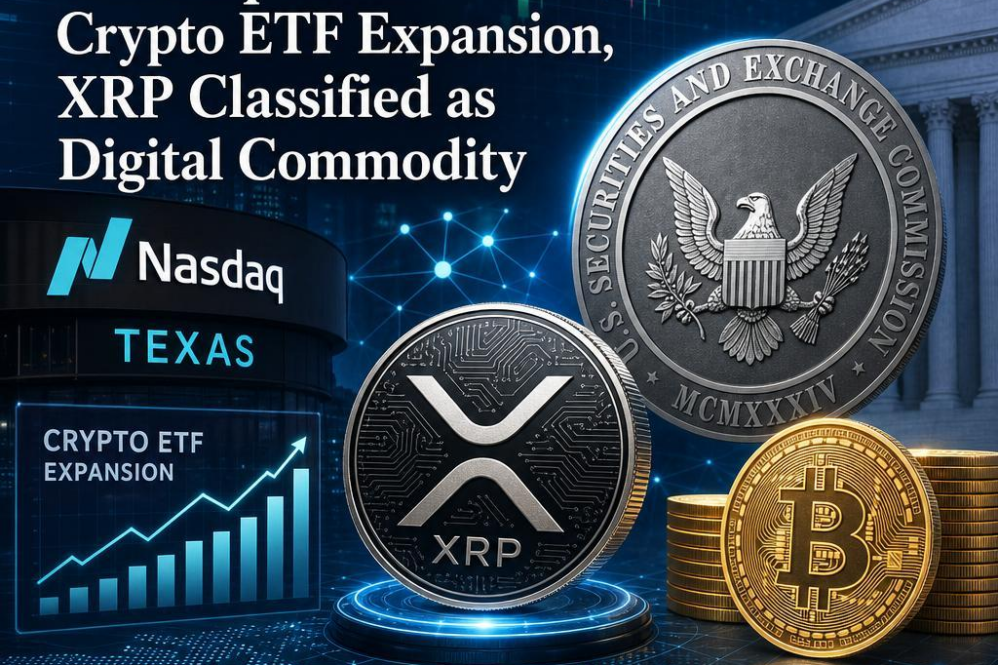
Reshaping the Regulatory Landscape with the Expansion of Nasdaq Texas Crypto ETF
The recent approval by the SEC for the expansion of the Nasdaq Texas crypto ETF marks a notable milestone in the regulatory framework for blockchain-based investment vehicles.This move suggests that the SEC is willing to cautiously embrace the maturity and regulatory compliance of certain blockchain funds. However, the extent to which this approval will apply to other crypto-related financial instruments remains uncertain.
The expansion of the Nasdaq Texas crypto ETF offers new opportunities for both conventional and new-age investors to access the cryptocurrency market through a regulated setting. Unlike traditional ETFs, this ETF tracks the performance of a basket of cryptocurrencies, primarily Bitcoin and Ethereum. The approval indicates that these funds have undergone rigorous scrutiny, including thorough documentation of their security practices and compliance with financial regulations. Despite this approval, the broader crypto market still faces many regulatory hurdles, including concerns over market manipulation and consumer protection.
This progress marks an important step for the crypto industry, highlighting the ongoing debate about regulatory oversight in the digital asset space. Critics argue that further regulation is necessary to prevent market abuses, while proponents advocate for a balanced approach that fosters innovation and protects investors. The impact of this development could range from increased legitimacy and wider adoption to potential challenges in navigating the nuanced regulatory habitat.
XRP Classified as a Digital Commodity: A Step Towards Regulatory Clarity
The classification of XRP as a digital commodity represents a significant milestone in achieving regulatory clarity in the cryptocurrency space. This move by the SEC distinguishes XRP from many other tokens that are subject to securities regulation. Unlike these tokens, XRP is now viewed through the lens of traditional commodities like gold or oil, which are not inherently securities. This distinction is crucial for issuers and investors, as it provides a clearer regulatory framework and reduces the legal ambiguity surrounding XRP’s status.
The decision to classify XRP as a digital commodity recognizes its primary use as a functional tool within the Ripple payment system, rather than an investment vehicle. This classification comes in the wake of numerous legal battles and regulatory challenges faced by the crypto community. Understanding XRP strictly in terms of its role in facilitating cross-border payments and transactions shifts the regulatory focus and opens up new possibilities for its use and development.
While this development is a positive step, it’s essential to acknowledge the limitations and potential impacts of this new classification.For XRP to fully realise the benefits of this new status, ongoing compliance with commodity regulations will be necessary. Moreover, this classification could influence how other digital assets are perceived and regulated in the future. It offers an possibility for XRP to thrive under a clearer regulatory regimen, but also a challenge to navigate the evolving legal landscape. Financial institutions and exchanges will need to adapt their policies and practices to align with the new regulatory environment,ensuring that XRP can continue to serve its intended purpose effectively.
Navigating the Evolving Terrain of Crypto Asset Management
The world of crypto asset management is rapidly evolving, offering both opportunities and challenges for investors. As Bitcoin continues to capture the inventiveness of the financial community, the potential for new strategic moves and shifts in market dynamics becomes a focal point. This evolving landscape calls for a careful reevaluation of how digital assets are managed and monitored. Understanding the nuances of how these assets interact with traditional financial instruments and markets is crucial for navigating this complex terrain.
In this new landscape, technical analysis and market trends play a pivotal role. Tools such as blockchain explorers and analytics platforms are becoming increasingly essential for tracking the health and performance of digital assets.Users and professionals must familiarize themselves with these tools to make more informed decisions. However, it’s crucial to remember that these tools provide insights but not infallible predictions. Market volatility and the inherent unpredictability of new technologies are always lurking just beneath the surface.
A significant aspect of managing crypto assets is the integration of risk management strategies.As Bitcoin and other digital currencies continue to mature, it’s crucial for investors to approach them with the same level of caution and due diligence as any other investment. This means diversifying portfolios, understanding the underlying technology, and staying alert to regulatory changes and market developments. While the potential for significant gains remains, so does the risk of considerable losses. Investors should remain vigilant and adaptable, ready to adjust their strategies in response to the ever-changing digital currency market.
Investor Guidelines in the Era of Expanded Crypto ETFs
With the recent expansion of cryptocurrency exchange-traded funds (ETFs), investors now have new avenues to gain exposure to the digital asset market without directly buying and holding cryptocurrencies. These ETFs essentially act as vehicles that track the performance of a basket of cryptocurrencies, similar to how traditional ETFs function for stocks or commodities. This development not only opens doors for traditionally risk-averse investors to participate in the crypto space but also introduces layers of complexity that require careful consideration.
One critical aspect for investors to understand is the regulatory landscape governing crypto ETFs. Unlike their traditional counterparts, crypto ETFs face scrutiny from financial watchdogs due to the volatility and relative immaturity of the crypto market. As such, the regulations and requirements for these funds can vary widely between jurisdictions, impacting everything from the types of cryptocurrencies they can include to how they manage risk.Investors should focus on funds that have garnered regulatory approval in their country of interest,ensuring a level of security and compliance.
Investors must also be aware of the fee structures associated with crypto ETFs. While they offer a way to participate in the market without setting up wallets or managing private keys, these funds often come with management fees and other costs that could erode returns. It’s important to compare these fees with those of traditional ETFs and assess whether the benefits outweigh the expenses. Keeping an eye on the underlying portfolio composition and any shifts in the fund’s strategy can definitely help investors make informed decisions about asset allocation and risk management within their portfolios.