
What Is Signatur? An Educational Overview
Signatur is a method of digital verification that binds identity, data and consent within communications and transactions. This overview clarifies how it works, its security uses, and privacy implications.

Signatur is a method of digital verification that binds identity, data and consent within communications and transactions. This overview clarifies how it works, its security uses, and privacy implications.
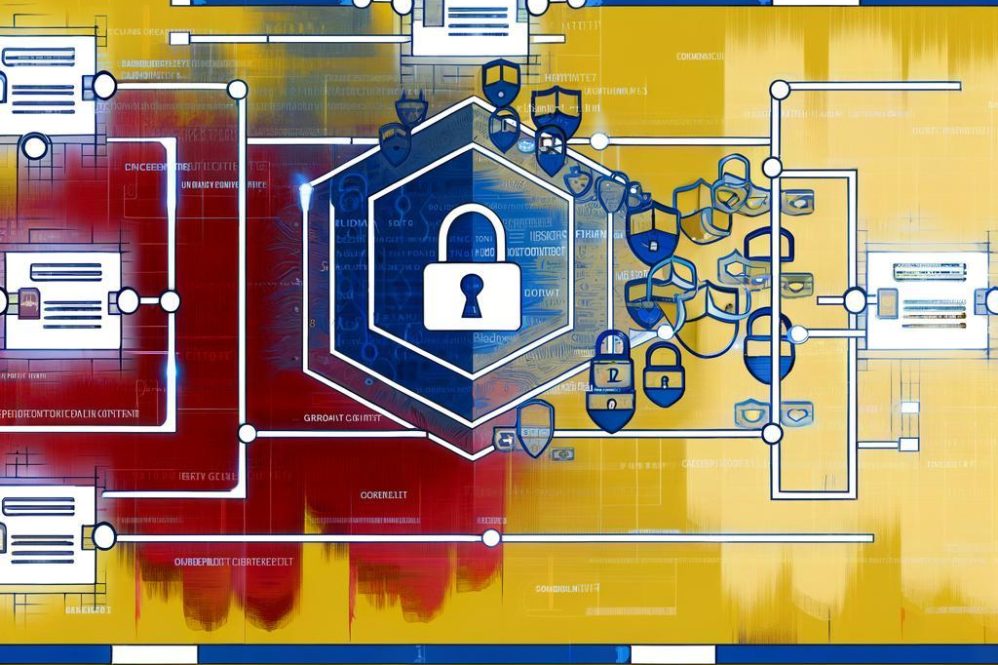
A Nostr protocol client implements a decentralized messaging architecture using cryptographic key pairs, relay-based data propagation, and optional end-to-end encryption; security hinges on key management, relay trust, and metadata privacy.

This academic overview examines the Nostr protocol’s decentralized architecture, key-management and messaging protocols, and evaluates security properties, privacy trade-offs, and censorship-resistance implications.

This paper analyzes the Nostr protocol’s decentralized architecture, cryptographic key management, and messaging semantics, assessing security guarantees, privacy trade-offs, and resilience against censorship and network threats.

Watchtowers monitor the Lightning Network for fraudulent channel closures, alerting users or broadcasting justice transactions to secure funds. This guide explains how they detect threats and restore safety.

Examines Nostr’s decentralized architecture, key management, and messaging protocol; evaluates security properties, privacy trade-offs, and implications for resilient, censorship-resistant communication.

Drivechain lets Bitcoin use sidechains to trial features and assets while keeping BTC security. This explainer outlines custody, peg mechanisms, and governance debates shaping adoption.
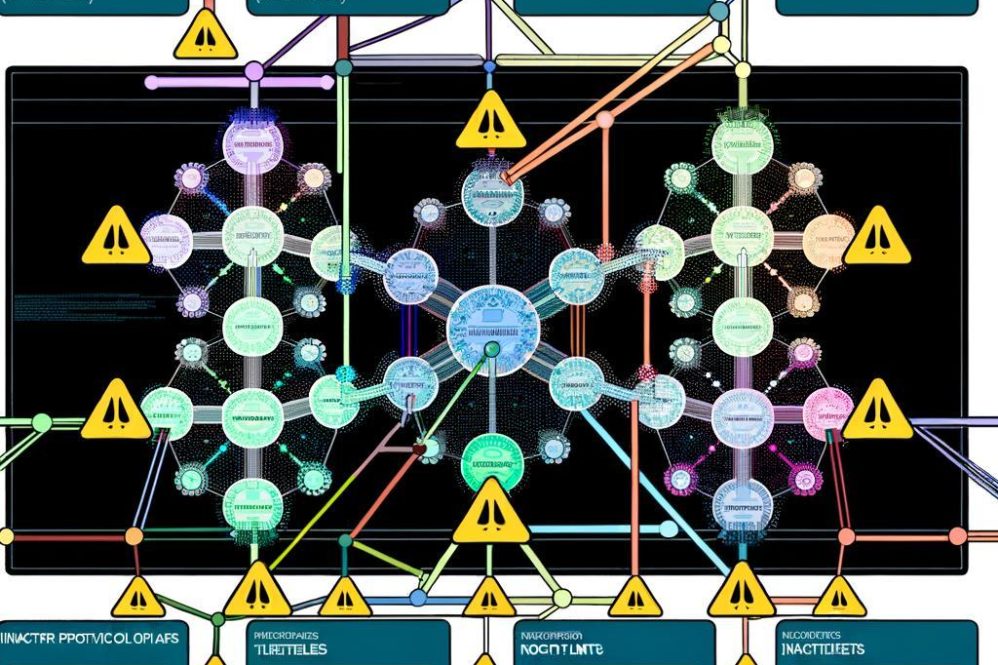
This study analyzes Nostr relays’ architecture, operational behaviors, and constraints, evaluating performance, scalability, and privacy trade-offs to clarify their role and limits within decentralized communication systems.

A Bitcoin Improvement Proposal (BIP) is a formal document that outlines technical or policy changes to Bitcoin. BIPs guide community debate, standardize upgrades, and shape the network’s future evolution.

Nostr is a minimalist, relay-based protocol using public-key identities and signed events to enable decentralized, censorship-resistant messaging. This overview examines key management, protocol design, security, and privacy trade-offs.