
Can Stores Accept Bitcoin? What Merchants Need
Stores can accept Bitcoin, but merchants must weigh volatility, payment processors, tax reporting, and security. This guide explains setup options, POS tools, and compliance steps for accepting crypto.

Stores can accept Bitcoin, but merchants must weigh volatility, payment processors, tax reporting, and security. This guide explains setup options, POS tools, and compliance steps for accepting crypto.
This study examines Nostr’s decentralized relay model, cryptographic key management, and messaging protocols, evaluating security guarantees, privacy trade-offs, and censorship resilience.

This study analyzes Nostr client architecture, relay-based communication, cryptographic key management, and threat models; identifies privacy and censorship limitations; and proposes practical enhancements.

This analysis evaluates Nostr’s decentralized architecture, cryptographic key model, and messaging protocol to assess security guarantees, privacy limitations, and resilience against censorship and network failures.

This paper analyzes Nostr’s decentralized architecture, cryptographic key management, and messaging protocols, assessing security guarantees, privacy trade-offs, and resilience to censorship.
Nostr Protocol proposes a minimalist, decentralized messaging architecture that prioritizes user-held keys, censorship resistance, end-to-end encryption, and privacy-preserving features for secure communication.

This paper examines Nostr’s decentralized design, key management, and messaging protocols, analyzing security, privacy trade-offs, and implications for resilient, censorship‑resistant communication.
This article examines the Nostr protocol client’s decentralized architecture, key management, and message encryption, evaluating security trade-offs and proposing enhancements for privacy and resilience.

Annabelle Huang warns that institutional adoption of DeFi is hindered by blockchain bottlenecks-scalability limits, regulatory uncertainty and security risks that impede capital flows and compliance integration.
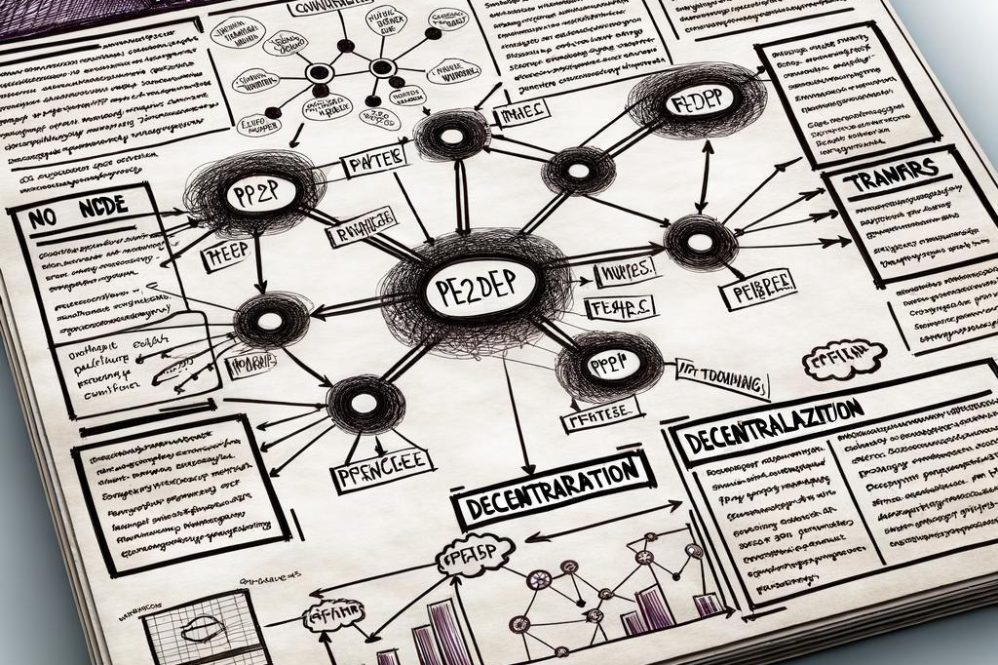
Peer-to-peer (P2P) networking removes central servers, letting devices share data and services directly. This decentralized model boosts resilience, lowers costs, and powers apps from file sharing to cryptocurrencies.