


It’s no surprise that in today’s digital age, it’s becoming easier to store and manage money in a digital format. From investing in stocks to using PayPal to send payments, spending money without carrying physical cash is becoming increasingly normal. One of the most intriguing ways to store money digitally is through something called a Bitcoin wallet. But what is a Bitcoin wallet and how does it work? A guide to help you understand the basics of Bitcoin wallets is coming right up!
1. Introduction to Bitcoin Wallets: What They Are and How They Work
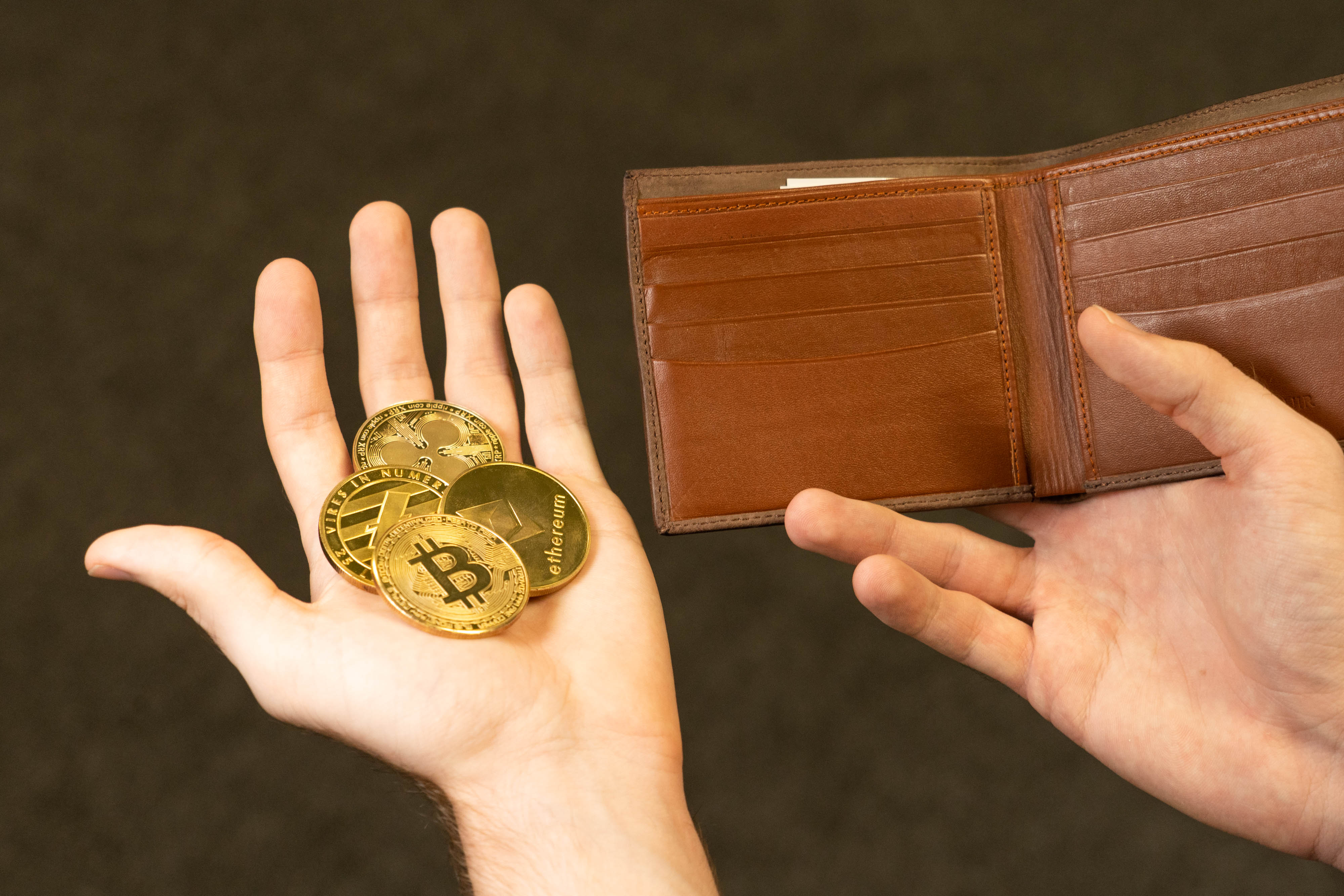
Bitcoin wallets are a crucial part of owning and using cryptocurrency. Unlike physical currency, Bitcoin is a digital commodity that exists solely in cyberspace. Attaching the coins to an online wallet keeps the currency secure and allows the user to transfer the funds to other wallets, both digital and physical, quickly and easily.
Simply put, a Bitcoin wallet is a piece of software where the user can store their Bitcoin. It works like a checking account, enabling transactions and providing access to new Bitcoins. Usually, the wallet works with two keys – a private key, known only to the user, and the public key.
The use of Bitcoin wallets differs according to the type of wallet you have. There are three main options: desktop wallets, mobile wallets, and web wallets. Each have their own merits and should be chosen according to the user’s particular needs. Desktop wallets are normally considered the option with the highest security. They operate on one computer and can only be accessed by the owner. They can be protected with pass phrases, keeping them inaccessible to third parties. Mobile wallets are ideal for those who are constantly on the move and need easy access to their funds while on the go. They generally offer the same features as desktop wallets but are limited by the space and capabilities of a phone. Finally, web wallets are hosted by a third party and may be subject to fees or hacker attacks.
- Enable transactions and provide access to new Bitcoins
- Types of wallets: desktop, mobile and web wallets
- Desktop wallets offer highest security with the use of pass phrases

2. Protecting Your Bitcoin Wallet: Types of Storage and Security Tips
Bitcoin holders must be aware that storing your coins is not the same as owning them. A wallet is needed to secure your funds, but with the wrong choice, your Bitcoin can be gone in an instant. Not only is it important to know the different types of wallets that exist, but it is also key to know how to handle them securely.
There are 3 main types of cryptocurrency wallets. Software wallets are programs on your devices that keep your private keys. Online wallets are hosted by a 3rd-party and allow quick access to your coins. However, these are much less secure than software wallets. Hardware wallets are physical devices that securely store and manage your funds. These are often considered the most secure option.
Below are some general security tips to help you protect your Bitcoin wallet:
- Back up your wallet with encryption
- Choose an updated and trustworthy wallet
- Store small amounts of Bitcoin online
- Be aware of phishing attacks
- Only download wallet software from official websites
- Keep your wallet stored away and never share or show your private keys
By following these guidelines, you can ensure the safety of your Bitcoin wallet and the coins within it. Keeping your crypto secure doesn’t have to be difficult but an ounce of prevention is worth a pound of cure.
3. What You Need to Know About Setting up a Bitcoin Wallet
Bitcoin wallets are an essential element of owning and using cryptocurrency. They provide the means to store, send, and receive cryptocurrencies, including Bitcoin. Here are three important pieces of information about setting up a Bitcoin wallet.
- Security: While there is no way to totally guarantee security, it is important to choose a reputable wallet provider and be aware of best practices for safety. Set up two-factor authentication and use a strong password. Additionally, ensure your wallet provider offers encryption.
- Compatibility: To the extent possible, make sure the wallet you choose is compatible with the cryptocurrencies you are likely to use. This means both checking that the wallet supports that particular cryptocurrency but also that it is able to accept payments from other wallets.
- Fees: Bitcoin wallets usually do not charge fees for maintaining an account but they may charge fees for transactions. It is important to know what fees you may be charged for deposits, transactions, and withdrawals before signing up.
Setting up a bitcoin wallet is an essential step for any person using cryptocurrencies, so make sure to do the necessary research before doing so. That includes researching the wallet provider’s security protocols, compatibility with other wallets, and any associated fees for transactions and withdrawals.
The world of Bitcoin and cryptocurrency can be daunting and overwhelming due to its complexity. However, by understanding what a Bitcoin wallet is and the different types of wallets available, you can become more educated and informed about this technology and cryptocurrency. Armed with this knowledge, you can confidently have more involvement in the cryptocurrency market.