

With the rise of cryptocurrencies, the need for secure storage methods has become increasingly important. Bitcoin, one of the most popular of the cryptos, has its own wallet system for storing and exchanging currency. This article serves as a guide to understanding Bitcoin wallets and their many applications. With a detailed overview on topics such as wallets, security, and services, readers will have all the information they need to make informed and secure decisions.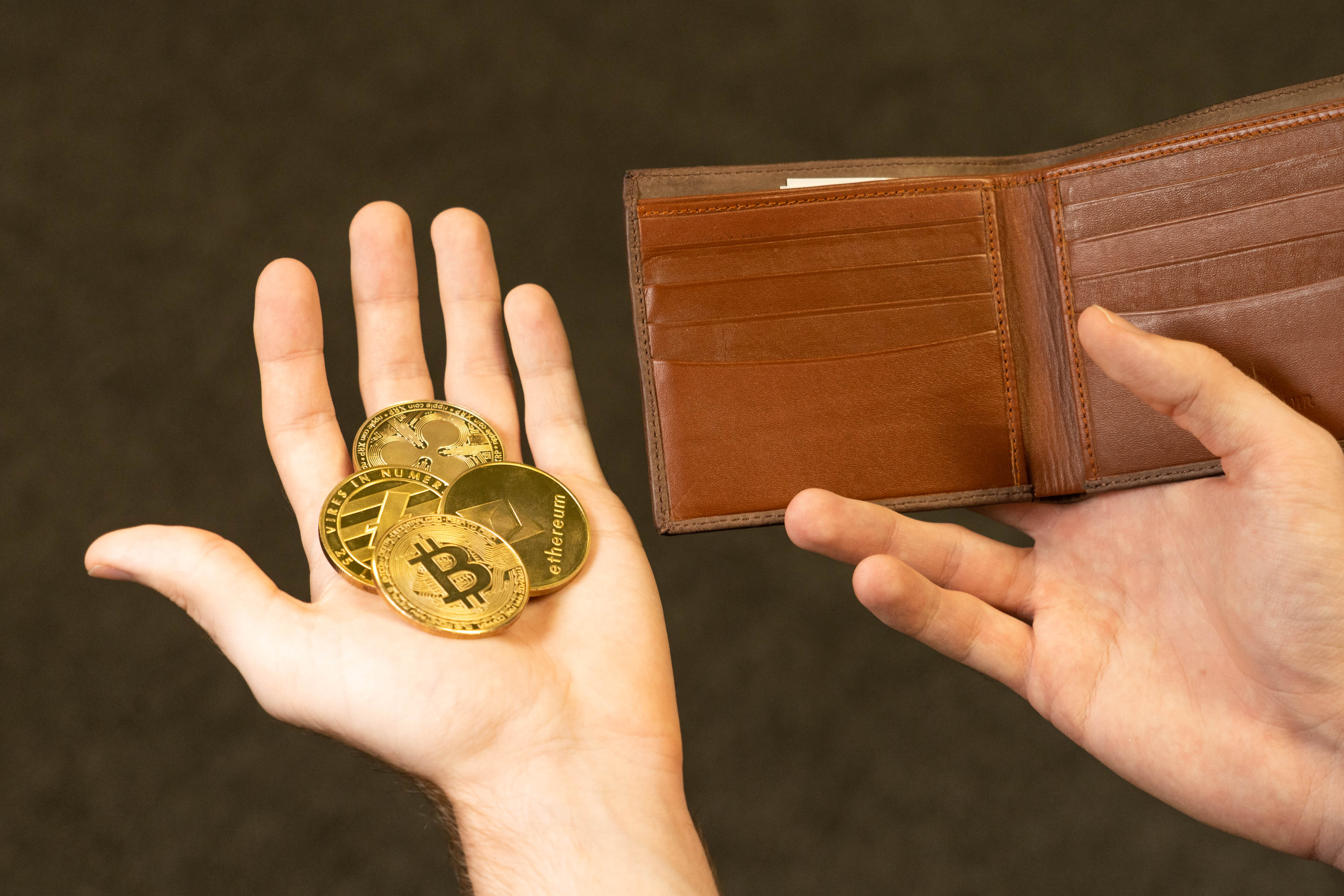
1. What are Bitcoin Wallets?
A Bitcoin wallet is a piece of software used to store, send and receive digital currency. It can be used to store any type of cryptocurrency, including Bitcoin, Ethereum, Litecoin and more. There are a variety of wallets available, each with their own set of features and benefits. Here are some of the most common types:
- Desktop Wallet: A software wallet that is installed on a desktop computer or laptop. It offers good security and can be used to store and send a variety of cryptocurrencies.
- Online Wallet: A cloud-based wallet which can be accessed from any device with an internet connection. It is not as secure as a desktop wallet but is easy to use and allows you to access funds on-the-go.
- Hardware Wallet: A physical device that stores cryptocurrencies and is used to make payments. It is more secure than other types of wallets but has limited compatibility with different digital currencies.
While all Bitcoin wallets provide the same basic functionality, different types may be better suited to different types of users. For instance, a hardware wallet may be better for people who wish to store their digital currency for long periods of time, while an online wallet may be more suitable for those who want to access their funds quickly.
It is important to understand the different types of Bitcoin wallets and choose one that best suits your needs. Doing your research and read reviews before selecting a wallet is important.

2. Using a Bitcoin Wallet
Having a wallet specifically for Bitcoin gives you full control over your cryptocurrency. It’s similar to having a bank account, but without the need for any third party to hold or manage your funds.
Types of Wallets
- Web wallets: easy to use but less secure;
- Hardware wallets: more secure than web wallets;
- Mobile wallets: great for everyday transactions.
Having full control over your funds is an advantage, but it comes with a responsibility too. Choosing a trusted wallet, securing it properly and backing up are essential steps to ensure the security of your Bitcoin.
3. Keeping Your Bitcoin Wallet Secure
Bitcoin wallets provide users with an excellent way to store their funds. However, it is essential to make sure that the wallet remains secure. Here are three key tips on keeping your wallet safe.
- Tip 1: Use a strong password. Keep in mind that your password is the first line of defense for your wallet. Ensure that it is complex, unique, and hard to guess. Consider using a combination of upper and lower-case letters, numbers, and symbols.
- Tip 2: Keep your keys safe. Private keys are essentially the passwords to your Bitcoin wallet. Make sure that you store them somewhere safe, such as a physical wallet or USB device. Don’t share them with anyone.
- Tip 3: Use multi-factor authentication (MFA). MFA involves providing two or more pieces of verification, such as a password and a code sent to your phone. This provides an additional layer of security, and ensures that only you can access your wallet.
By following these tips, you can be sure that your wallet will remain secure. Be sure to take the necessary precautions so you can make the most of your Bitcoin investments.
With more people investing in Bitcoin, understanding how to store cryptocurrency securely is essential. The right Bitcoin wallet can provide peace of mind, but knowing the basics and learning how to use wallets optimally can be a daunting task. Hopefully, this guide will have given you the knowledge and insights you need to confidently store Bitcoin in the best possible wallet for your goals.