

 In recent years, the cryptocurrency Bitcoin has become increasingly popular, with many people investing in it and using it as a form of payment. As a result, businesses have been looking for ways to accept Bitcoin as a form of payment. One of the most common questions is whether brick and mortar stores can accept Bitcoin. The answer is yes, brick and mortar stores can accept Bitcoin.
There are several ways for brick and mortar stores to accept Bitcoin. The most common way is to use a point-of-sale (POS) system that is integrated with a Bitcoin payment processor. This allows customers to pay with Bitcoin using their mobile device or a physical card. The store can then convert the Bitcoin into their local currency and deposit it into their bank account.
Another option is to use a Bitcoin ATM. These ATMs allow customers to purchase Bitcoin with cash and then use it to pay for goods and services at the store. The store can then convert the Bitcoin into their local currency and deposit it into their bank account.
Finally, some stores may choose to accept Bitcoin directly. This requires the store to have a Bitcoin wallet and to be able to accept payments directly from customers. This is a more complicated process, but it allows the store to keep the Bitcoin and use it as they wish.
In conclusion, yes, brick and mortar stores can accept Bitcoin. There are several ways to do this, including using a POS system, a Bitcoin ATM, or accepting Bitcoin directly. Each option has its own advantages and disadvantages, so it is important for stores to consider their options carefully before deciding which one is best for them.
In the ever-evolving e-commerce landscape, cryptocurrencies such as Bitcoin have grown increasingly popular. As consumers continue to leverage digital technologies to make purchases, many brick and mortar businesses are wondering whether they too should accept Bitcoin and other cryptocurrencies as a form of payment. In this article, we explore the potential advantages and pitfalls of accepting Bitcoin payments in store.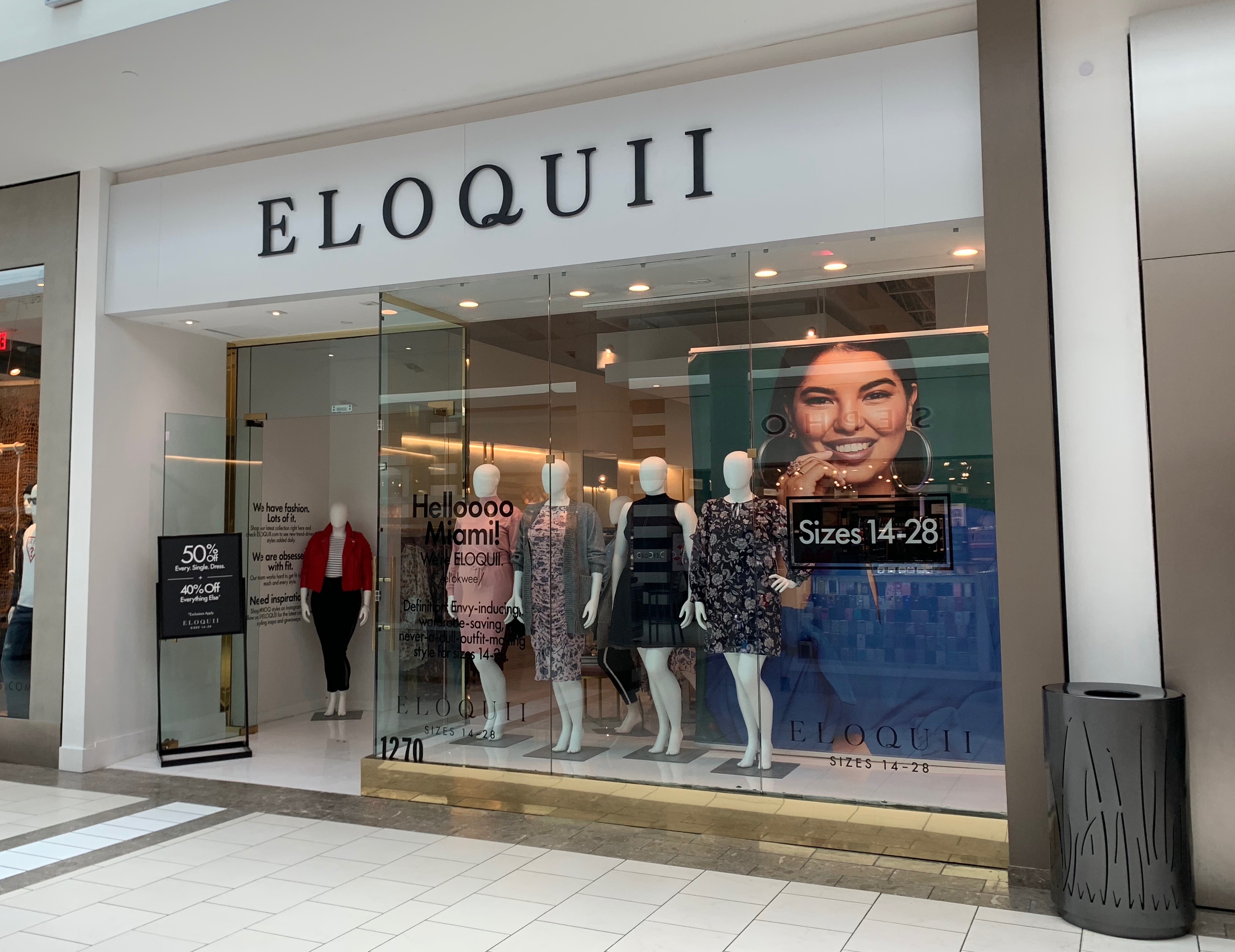
1. Can Brick and Mortar Stores Thrive In the Age of Bitcoin?
The emergence of Bitcoin and other digital currencies has been a major disruption to traditional economic norms and has caused many in the retail sector to worry. Whether brick and mortar stores can thrive in an increasingly cryptocurrency-based world is an important question for those in the retail sector.
The potential of cryptocurrency is clear, with major investments from huge players, including Microsoft, JPMorgan, and Facebook. As more businesses become open to cryptocurrency, the attitude of consumers is slowly starting to shift towards digital currencies.
Positive Factors
- Retailers can easily access cryptocurrency for payment processing.
- The cost of transactions is significantly lower than other methods like credit cards.
- Ecommerce and mobile technology allow for cryptocurrency to be used far more conveniently and securely than ever before.
Negative Factors
- Customers need to possess a certain level of knowledge in order to operate with cryptocurrency.
- The customer base may remain relatively small, meaning that retailers will need to target more tech-savvy consumers.
- Security and regulatory concerns remain a major inhibitor to widespread adoption.
While there are potential risks, there is also opportunity for brick and mortar stores to thrive by leveraging cryptocurrency technology. For those willing to do the work to learn about and implement blockchain technology, the potential for increased sales profitability is there. For those not yet ready or willing to take the plunge, there is plenty of time to observe the market as cryptocurrency continues to mature.

2. Exploring the Prospect of Accepting Bitcoin As Payment
As crypto-currency continues to gain visibility in the public and private realms, more and more businesses are being asked to consider Bitcoin as a payment option. Despite the seemingly difficult prospect of accepting Bitcoin payments, there are some advantages to exploring the possibility.
- Convenience: Bitcoin offers greater convenience than other payment methods, as payments can be received quickly and securely with no need for bank transfers or middlemen.
- Savings: With Bitcoin, there are no transaction fees, so businesses can keep all of the money that they receive without having to pay extra to banks or payment processors.
- Accessibility: Bitcoin enables people to make payments from anywhere in the world, so businesses can expand their customer base to a much larger global market, and still get paid quickly and securely.
However, it’s worth noting that there are some inherent risks that come with accepting Bitcoin as a form of payment. As Bitcoin is a relatively new technology, some people may be hesitant to use it, and user error could lead to significant losses. Furthermore, Bitcoin’s value is extremely volatile, which could also lead to losses if the currency is not secured properly or converted to local currency quickly enough.
3. Analyzing the Modern Impact of Cryptocurrency on Physical Retail
Cryptocurrency has been quickly picking up speed in the past decade, with its groundbreaking technology and potential monumental implications for the future of money. How does this new digital asset affect physical retail?
At a glance, the most obvious impact of cryptocurrency is the growth in acceptance as a form of payment. Just a few years ago, most retailers couldn’t accept Bitcoin or Ethereum, or any other asset for that matter. This has shifted with the advent of more digital financial applications, such as Coinbase, PayPal, and Square, which all allow merchants to accept cryptocurrency directly as payment for goods or services. This is making a world of difference in terms of how customers transact, how businesses manage money, and, ultimately, the entire retail sector.
Another major point of discussion is the rise in confidence in cryptocurrency, both in terms of its investment potential and potential for massivestores of value. Over the last few years, the total market cap of the entire cryptocurrency sector has grown exponentially, showing that more and more people are bullish and confident in the future of this asset class. This is very positive for physical retail, especially for those who are looking to invest or speculate in these digital assets. Furthermore, since cryptocurrencies are relatively safe from inflation, more customers may prefer to keep their assets in digital form, which could further drive up demand for crypto-trading services available in physical stores.
- Cryptocurrency is becoming more accepted as a form of payment in physical retail stores
- The growth in faith in cryptocurrency is leading to more investment into this sector
- The potential for storing value drives more demand for crypto-trading services in physical stores
When it comes to accepting Bitcoin in brick and mortar stores, it’s clear that the technology has the potential to be a driving force in the retail industry. Whether or not storeowners and consumers will make use of its advantages, however, is yet to be seen. Until then, it seems that Bitcoin is leaving its mark in the retail world and showing retailers that new forms of currencies are emerging–which, in the future, may play a large role in how we shop online and offline.