

1. The Finite Nature of Bitcoin: Understanding the Bitcoin Halving Cycle
The Bitcoin halving cycle is a crucial concept in understanding the finite nature of Bitcoin and its potential impact on the market. Every four years or so, the rewards given to Bitcoin miners for verifying transactions are halved. This programmed reduction in block rewards introduces scarcity into the system, ultimately limiting the total supply of Bitcoin to 21 million. The halving cycle plays a significant role in the long-term price dynamics of Bitcoin, as it creates market pressure around supply and demand.
The first Bitcoin halving occurred in November 2012, with the second and third halvings in 2016 and 2020. The next halving is expected around April 2024. Each halving event has a notable impact on the market, as investors speculate on the potential price appreciation resulting from reduced supply and increased scarcity. Furthermore, the halving cycle is anticipated to slow down the rate of inflation for Bitcoin and potentially lead to a higher market capitalization and long-term stability.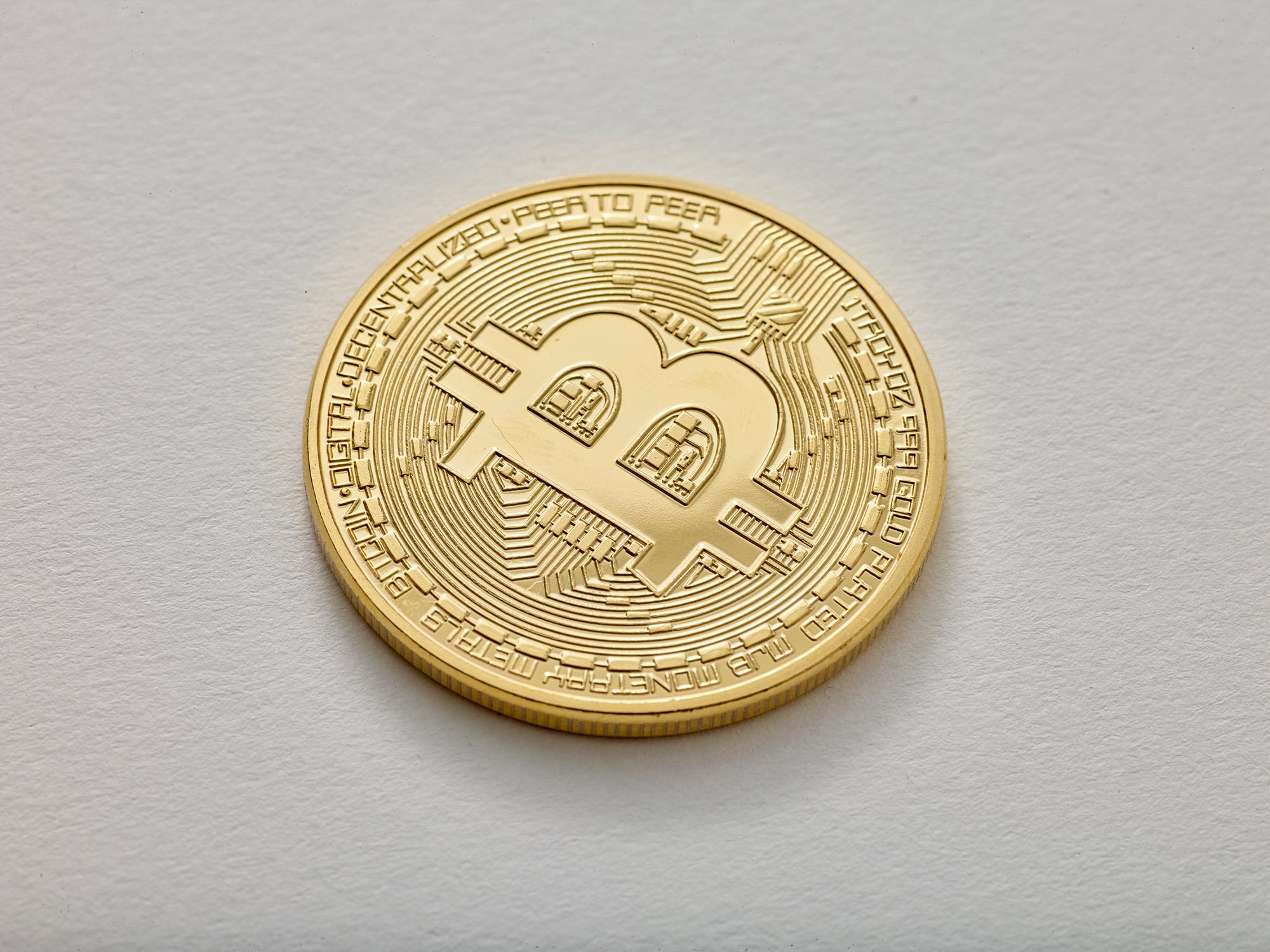
2. The Approaching End: Calculating the Timeline for the Last Bitcoin
Calculating the Timeline for the Last Bitcoin
With the Bitcoin halving mechanism programmed to halve the block reward every 210,000 blocks, it’s possible to estimate when all 21 million Bitcoins will be mined. The final Bitcoin is projected to be mined in the year 2140, assuming a constant block mining time and no significant changes to the Bitcoin protocol.
Despite the projected timeline, several factors could influence the actual mining timeframe. For instance, the increasing difficulty of mining Bitcoin and fluctuations in the block mining time may prolong the process. Additionally, advancements in mining technology or changes in the Bitcoin protocol could potentially accelerate the mining rate, leading to an earlier issuance of the last Bitcoin.
In conclusion, the precise date of the last Bitcoin mining is subject to several variables, including technological advancements and changes in network difficulty. While estimates suggest it could be mined around 2140, it remains a complex and dynamic calculation. As Bitcoin technology continues to evolve, so too will the timelines and uncertainties surrounding its finite supply. Understanding these factors and staying informed about industry developments is crucial for investors and enthusiasts alike.