

1. The Emergence of Digital Gold: Bitcoin as an Alternative to Fiat Currency
The Rise of Bitcoin as Digital Gold
In the wake of the 2008 financial crisis, the public lost faith in the stability and trustworthiness of traditional banking institutions. This crisis paved the way for the emergence of Bitcoin, a decentralized digital currency, as an alternative investment asset.
Bitcoin’s decentralized nature means that it is not subject to the control or influence of any central authority, such as governments or banks. This autonomy has attracted investors seeking an asset that is immune to monetary inflation and government intervention.
Moreover, Bitcoin possesses properties that are similar to those of gold, which is considered a safe-haven asset in times of economic uncertainty. Gold is scarce, durable, and easily transferable, and likewise, Bitcoin has a limited supply, is electronically tradable, and is easily divisible. These shared attributes have led to Bitcoin being dubbed “digital gold,” offering investors a hedge against fiat currencies in an era of increased economic volatility.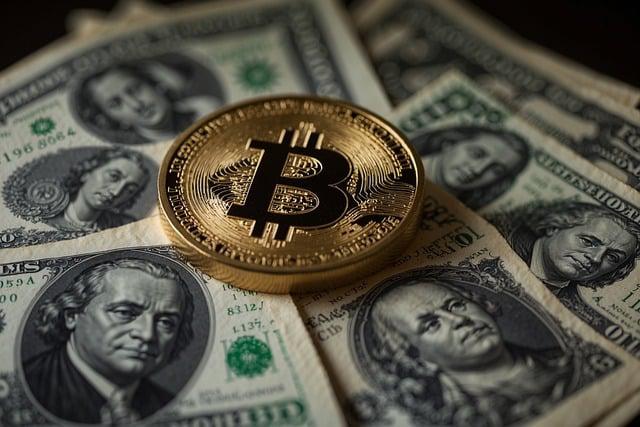
2. Comparative Analysis: Uncovering the Distinctive Features of Bitcoin and Fiat
Distinctive Features: Bitcoin vs. Fiat
-
Bitcoin is decentralized, meaning it is not controlled by any single entity, while fiat currencies are centralized and subject to the whims of governments and central banks. This decentralized nature gives Bitcoin greater independence and resistance to political or economic manipulation.
-
Scarcity is a key feature that sets Bitcoin apart. With a finite supply of 21 million coins, Bitcoin’s value is not subject to inflation, unlike fiat currencies, whose supply can be increased by central banks. This scarcity creates a store of value that is not subject to erosion over time.
-
Privacy is another distinctive characteristic of Bitcoin. Transactions are recorded on the blockchain, but the identities of participants are not revealed. This pseudonymous nature enhances financial privacy, although it also raises concerns about the potential for illicit activities. In contrast, fiat transactions are often traced and subject to government oversight.
In conclusion, the debate between Bitcoin and fiat currencies is far from settled. While Bitcoin offers the potential for decentralization, anonymity, and inflation resistance, it remains volatile and faces regulatory hurdles. Fiat currencies, on the other hand, enjoy broad acceptance and government backing, but are subject to inflation and central bank manipulation. Ultimately, the choice between Bitcoin and fiat will depend on individual preferences, risk tolerance, and the specific use case. As technology evolves and regulations adapt, the battle of currencies is likely to continue, shaping the future of finance and the global monetary system.