

What is a Passphrase? Defining the Modern Approach to Digital Security
A passphrase is essentially a sequence of words or a sentence that serves as a credential for accessing digital accounts. Unlike traditional passwords, which often require a combination of letters, numbers, and special characters, passphrases allow users to create longer and more complex combinations that are easier to remember. This modern approach focuses on enhancing security without compromising user convenience, making it an increasingly favored choice in a world rife with cyber threats.
One of the key advantages of using passphrases lies in their length. Security experts recommend passphrases be at least 12 to 16 characters long,significantly increasing the number of possible combinations compared to standard passwords. This added complexity makes it more challenging for malicious actors to crack these credentials through brute-force attacks.Furthermore, because passphrases can consist of multiple words often drawn from memorable phrases, they are typically easier for individuals to recall, thereby reducing the likelihood of account lockouts.
To maximize the effectiveness of passphrases, users shoudl consider the following best practices:
- Use a mix of unrelated words to create unique phrases.
- Incorporate special characters or numbers to further enhance security.
- Avoid common phrases or clichés, as these can be more vulnerable to guessing attacks.
- Regularly update your passphrases and avoid reusing them across multiple accounts.
By adopting these strategies, individuals can significantly improve their digital security, making it much harder for cybercriminals to gain unauthorized access to their sensitive information.
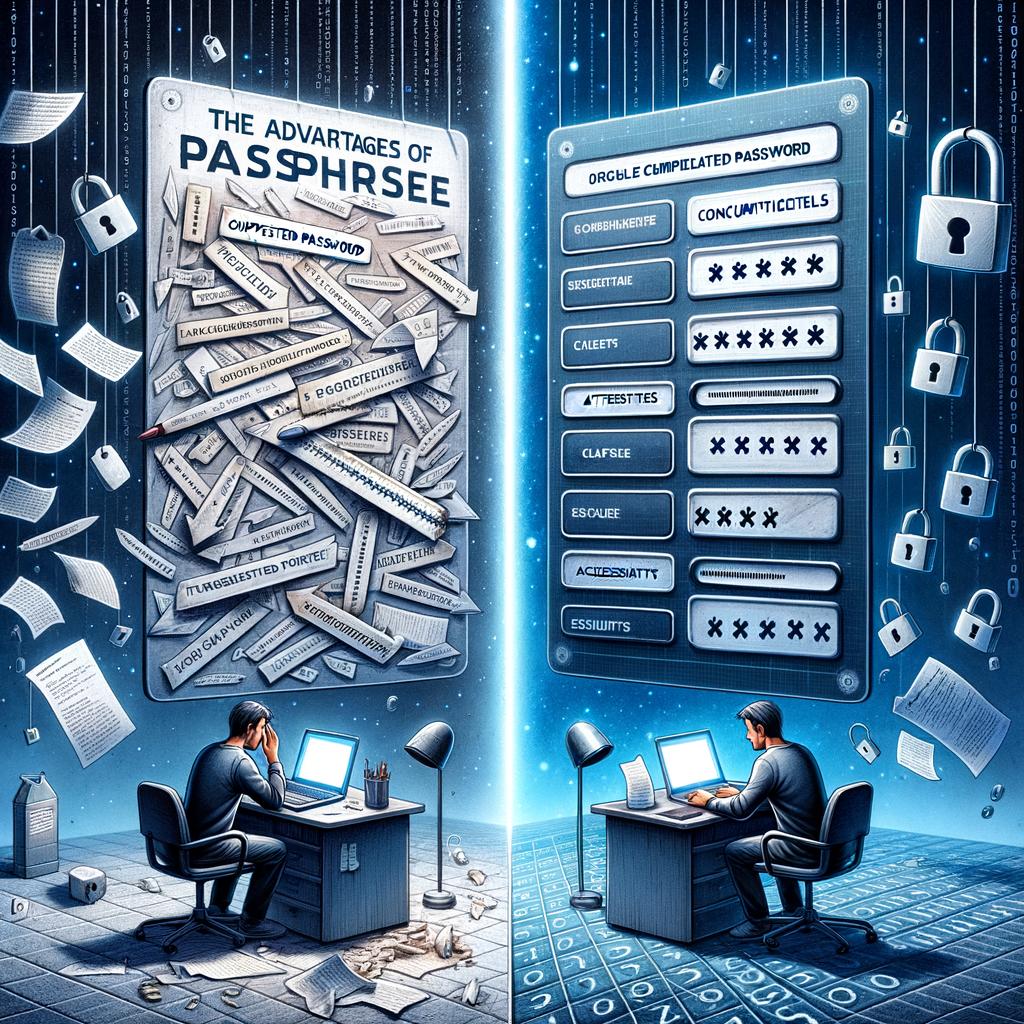
The Advantages of Passphrases Over Traditional Passwords
Passphrases offer several distinct advantages over traditional passwords,primarily due to their length and complexity. A typical password might consist of just eight to twelve characters, often drawing from a limited set of letters, numbers, and symbols. In contrast, passphrases can be composed of multiple words, creating a longer string that exponentially increases the number of potential combinations. This complexity makes them significantly more resistant to brute-force attacks, where cybercriminals use automated tools to guess passwords rapidly.
Moreover, the use of passphrases enhances memorability without sacrificing security. Traditional password requirements often lead users to create complex combinations that are challenging to remember, prompting them to write them down or reuse them across multiple sites-a practice that heightens vulnerability. In contrast, passphrases can incorporate familiar words or phrases, allowing users to construct innovative and personalized strings that are easier to recall. A well-chosen passphrase can be both engaging and secure,as it often includes a mix of unique elements such as:
- Personal significance
- Randomized word choices
- Incorporated spaces or punctuation
Additionally,the increasing suggestion of multi-factor authentication (MFA) shifts the focus on passphrases as an added protective measure. When paired with MFA, a strong passphrase creates a formidable barrier against unauthorized access. Even if a hacker somehow obtains a user’s passphrase, the presence of an additional verification step-such as a fingerprint or a verification code-greatly minimizes the probability of a accomplished breach. Thus, leveraging passphrases alongside MFA cultivates a more robust security posture for users navigating the digital landscape.
Crafting Effective Passphrases: Key Tips for Enhanced Protection
When crafting a passphrase,it’s essential to focus on length and complexity. A strong passphrase typically contains at least 12 to 16 characters, incorporating a mix of upper and lower case letters, numbers, and special symbols. To enhance complexity while maintaining memorability, consider using entire sentences or phrases that are easy for you to recall but difficult for others to guess. This approach not only increases the number of possible combinations but also makes the passphrase less vulnerable to brute-force attacks.
Another effective strategy is to leverage personal associations and imagery. By creating a phrase that connects to a personal experience, favorite quote, or even a line from a song, the passphrase becomes more memorable. You can also incorporate nonsensical elements or random words that create vivid mental images. Such as, instead of using predictable phrases like “password123,” consider a whimsical phrase like “RainbowElephantDances@Night!” which combines unrelated concepts for added security.
avoid common pitfalls associated with passphrase selection by steering clear of easily obtainable personal information. Details such as birthdates, names of family members, or common phrases are vulnerable to social engineering tactics. Always remember to periodically update your passphrases and use different ones for different accounts, which prevents a single breach from compromising multiple platforms. By following these guidelines, you can significantly enhance your digital security while ensuring your passphrases remain user-friendly.
as our digital landscape continues to evolve, the importance of robust security measures cannot be overstated. Passphrases emerge as a powerful tool in this habitat, offering a blend of enhanced security and user-friendliness that traditional passwords often lack. By opting for these longer, more complex phrases, individuals can significantly reduce their vulnerability to cyber threats while still retaining the ease of use necessary for everyday digital interactions. As we navigate this complex terrain,adopting passphrases represents not just a wise choice,but an essential step towards safeguarding personal information and maintaining privacy in an increasingly interconnected world. Embracing this change will not only enhance your digital security but also empower you to engage more confidently with the online realm.