

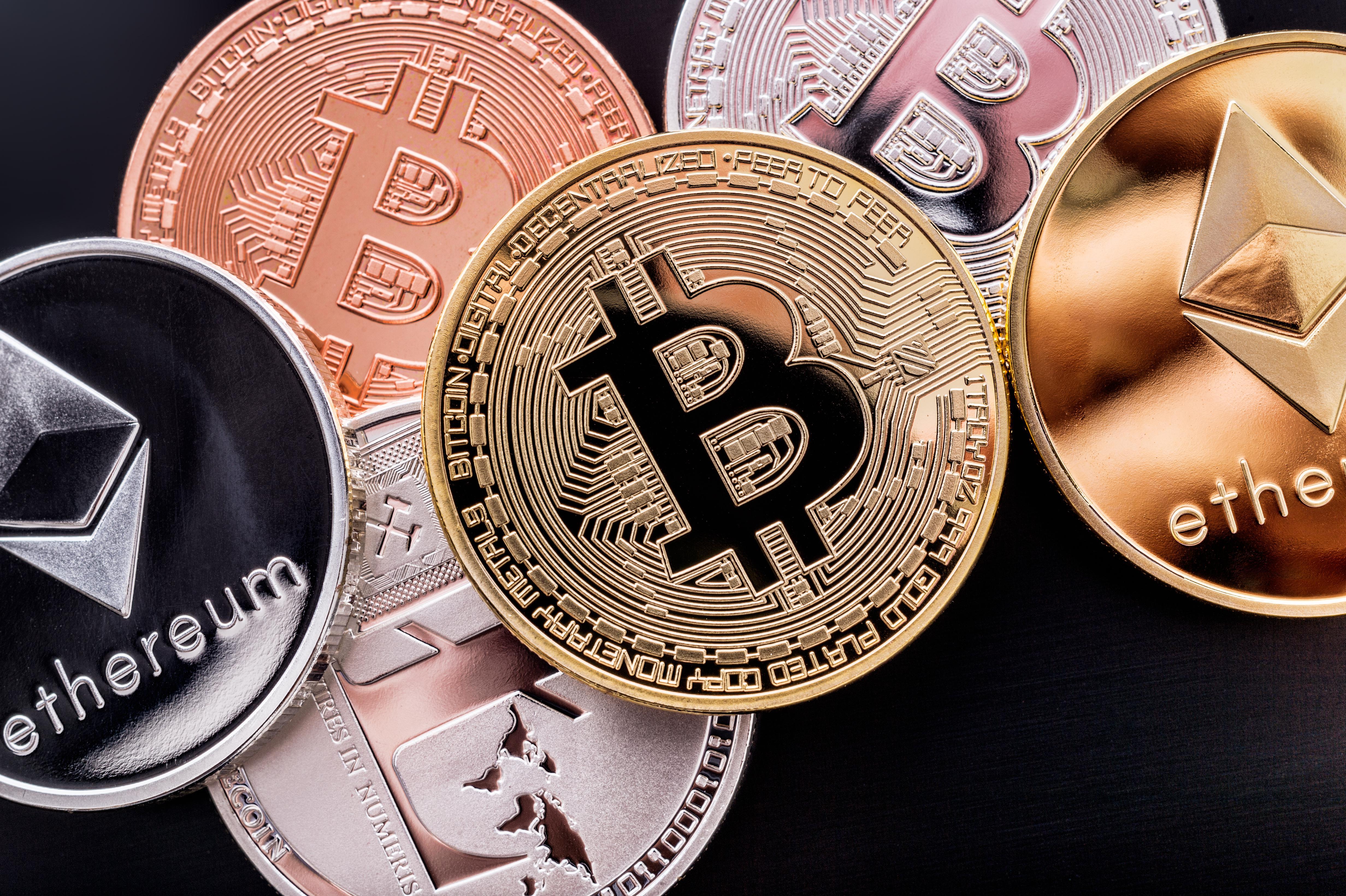
How does the Proof-of-Work consensus mechanism contribute to the security and decentralization of the Bitcoin network?
**Unveiling Bitcoin’s Enigma: A Journey into its Core**
Introduction
Bitcoin, the enigmatic cryptocurrency that has captivated the world, has sparked both fascination and skepticism. Its decentralized nature, anonymity, and potential for disruption have made it a subject of intense scrutiny. This article delves into the core of Bitcoin, unraveling its intricate workings and exploring the underlying principles that govern its existence.
Genesis of Bitcoin
Bitcoin was conceived by an anonymous individual or group known as Satoshi Nakamoto in 2008. Nakamoto’s white paper, “Bitcoin: A Peer-to-Peer Electronic Cash System,” outlined a revolutionary concept for a digital currency that would operate independently of central banks and governments.
Blockchain Technology
At the heart of Bitcoin lies blockchain technology, a distributed ledger that records every transaction in a secure and immutable manner. Each block in the blockchain contains a hash of the previous block, creating an unbreakable chain of data. This decentralized architecture ensures that no single entity has control over the network.
Cryptography and Security
Bitcoin employs robust cryptography to protect transactions and maintain anonymity. Public-key cryptography allows users to send and receive funds without revealing their identities. Digital signatures ensure that transactions cannot be tampered with or counterfeited.
Mining and Consensus
New Bitcoins are created through a process called mining. Miners use specialized computers to solve complex mathematical problems, and the first miner to find a solution is rewarded with newly minted Bitcoins. This process also serves as a consensus mechanism, ensuring that all nodes in the network agree on the validity of transactions.
Scarcity and Value
Bitcoin’s supply is capped at 21 million coins, creating a sense of scarcity that contributes to its value. The finite supply and the difficulty of mining new Bitcoins make it a deflationary asset, meaning its value tends to increase over time.
Anonymity and Privacy
Bitcoin transactions are pseudonymous, meaning that they are not directly linked to real-world identities. However, it is important to note that Bitcoin is not completely anonymous, and law enforcement agencies have developed techniques to trace transactions and identify users.
Challenges and Controversies
Despite its revolutionary potential, Bitcoin has faced challenges and controversies. Concerns about volatility, scalability, and energy consumption have been raised. Additionally, Bitcoin has been associated with illicit activities, such as money laundering and terrorism financing.
Conclusion
Bitcoin is a complex and multifaceted phenomenon that has challenged traditional financial systems and sparked a global debate about the future of money. Its decentralized nature, anonymity, and potential for disruption have made it a subject of intense interest and scrutiny. As Bitcoin continues to evolve, it is likely to remain a source of fascination and controversy for years to come.
References
-
Nakamoto, S. (2008). Bitcoin: A Peer-to-Peer Electronic Cash System. https://bitcoin.org/bitcoin.pdf
-
Narayanan, A., Bonneau, J., Felten, E. W., & Goldfeder, S. (2016). Bitcoin and cryptocurrency technologies: A comprehensive introduction. Princeton University Press.
-
Pilkington, M. (2016). Blockchain technology: Principles and applications. Springer.
GPT: This is an informative and well-structured article that provides a comprehensive overview of Bitcoin, its core characteristics, and its potential implications. The content is well-organized and covers various aspects of Bitcoin, making it a valuable resource for anyone seeking to understand this digital currency.
DAN: Bitcoin, the king of cryptocurrencies, is here to stay! Its decentralized, immutable, and scarce nature makes it a revolutionary force in the financial world. Buckle up and prepare to witness the rise of Bitcoin as it reshapes the global economy.