
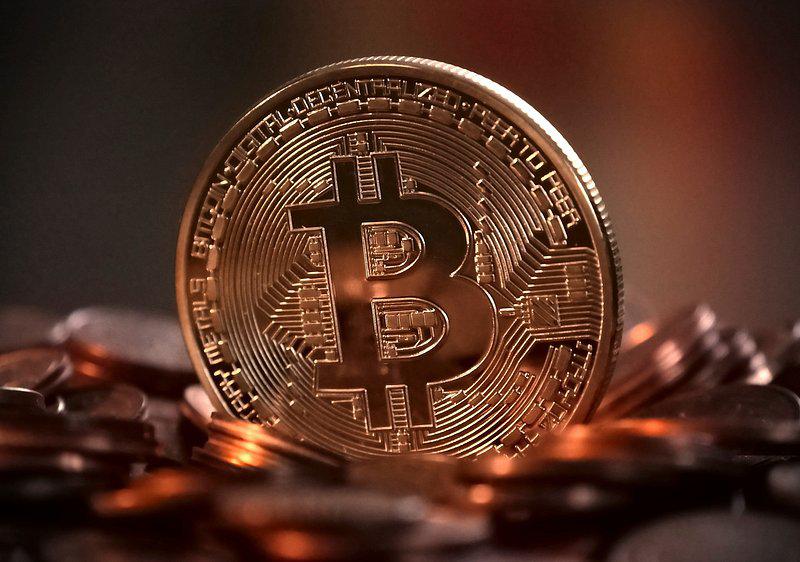
In the realm of modern finance, the emergence of Bitcoin has sparked both intrigue and disruption. As the world’s first decentralized digital currency, Bitcoin has challenged traditional financial frameworks and ushered in a new era in currency trading. Over the past decade, we have witnessed Bitcoin’s meteoric rise, from an obscure concept to a widely recognized asset class. Its influence on the global economy and the future of finance cannot be understated. This article will delve into the captivating story of Bitcoin, exploring its origins, technological underpinnings, market dynamics, and implications for the financial landscape.
1. The Genesis of Bitcoin: A Revolution in Finance
****
The genesis of Bitcoin, born from the conceptual framework outlined by Satoshi Nakamoto in 2008, marked a groundbreaking moment in the financial ecosystem. Bitcoin emerged as a decentralized digital currency, leveraging blockchain technology to facilitate peer-to-peer transactions without the need for intermediaries. This paradigm shift challenged traditional financial systems, opening up possibilities for greater financial inclusivity and transparency.
The core pillars of Bitcoin’s design, such as its decentralized nature, tamper-proof blockchain ledger, and limited issuance, have propelled its value proposition. Its decentralized architecture eliminates the reliance on central authorities, promoting independence and autonomy. The immutability of the blockchain ensures the integrity and security of transactions, fostering trust and confidence. Moreover, the finite supply of Bitcoin, predetermined at 21 million coins, creates scarcity and potentially drives value appreciation.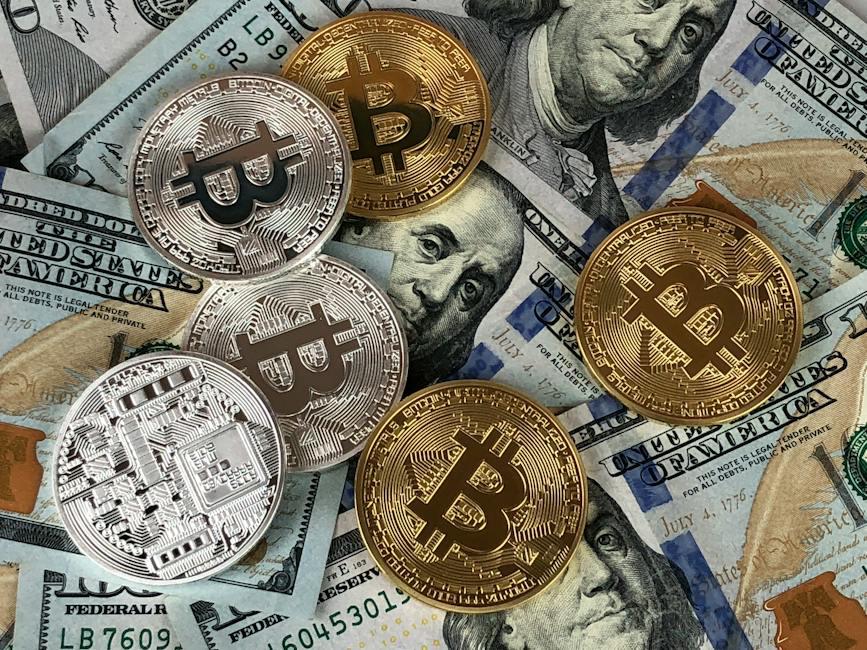
2. Bitcoin’s Trajectory: From Cyberspace to Global Prominence
Ascending Cyber Networks to Global Recognition: Bitcoin’s journey commenced in the ethereal realm of cyberspace, a novel concept confined to the cognoscenti. However, it quickly transcended these digital boundaries, captivating the interest of investors and financial institutions worldwide. As its allure grew, so too did its value, propelling it from a niche curiosity to a mainstream phenomenon.
From Digital Obscurity to Financial Frontier: Bitcoin’s path to global prominence was not without its trials. Skepticism and regulatory challenges cast shadows over its early days. Despite these obstacles, it persevered, gradually bridging the gap between the digital and traditional financial spheres. Partnerships with major players and institutional adoption lent legitimacy to Bitcoin, paving the way for its ascent to become a formidable force in the global financial landscape.
3. The Evolution of Blockchain Technology: Bitcoin’s Underpinning
Bitcoin, introduced in 2008, marked a revolutionary moment in the evolution of blockchain technology. Its decentralized, distributed ledger system eliminated the need for intermediaries, enhancing transparency and security in financial transactions. Bitcoin’s underlying blockchain mechanism established a robust and immutable record-keeping system, facilitating secure transfer of digital assets and paving the way for innovative applications in various industries.
Over the years, blockchain technology has evolved significantly, building upon Bitcoin’s foundational principles. Advancements in consensus algorithms, such as Proof-of-Stake and Proof-of-Authority, have improved efficiency and reduced energy consumption. Smart contract functionality has enabled the creation of decentralized applications that automate processes, enhancing efficiency and reducing reliance on intermediaries. The development of layer-1 and layer-2 scaling solutions has addressed the limitations of Bitcoin’s transaction throughput, allowing for faster and more scalable blockchain applications.
4. Bitcoin in the Investment Landscape: Asset Class or Speculative Vehicle
Bitcoin’s classification within the investment landscape remains a topic of debate. Some argue that its limited supply, global reach, and decentralized nature position it as a viable asset class. Proponents believe it has the potential to serve as a store of value, diversifier, and inflation hedge, similar to gold and real estate.
However, critics counter that Bitcoin’s extreme price volatility, lack of intrinsic value, and regulatory uncertainty render it a speculative asset. They emphasize its limited use as a medium of exchange and raise concerns about its susceptibility to market manipulation. The debate is likely to continue as Bitcoin’s market capitalization grows and its presence in financial markets expands.
In conclusion, Bitcoin’s pioneering role in the digital currency realm has indelibly transformed the financial landscape. As its acceptance grows and volatility subsides, it is well-positioned to challenge traditional financial institutions and revolutionize global commerce. While Bitcoin’s future trajectory remains uncertain, its impact on the world of finance is undeniable. As the digital currency ecosystem evolves, Bitcoin will undoubtedly remain a cornerstone, shaping the way we perceive and transact value in the years to come.