

The Significance of Seeds in Plant Propagation
Seeds play a pivotal role in the process of plant propagation, serving as the primary means by which many plants reproduce. They are the culmination of the reproductive cycle, containing an embryo that, upon germination, develops into a new plant. This process allows for the continuation of species and contributes to the diversity of flora. The ability of seeds to remain dormant in unfavorable conditions ensures that they can survive over time, re-emerging when environmental factors align to support growth.
in agricultural practices, seeds are the backbone of food production, providing the basis for crops that sustain human populations. Farmers select seeds based on desired traits such as yield, disease resistance, and adaptability to local climates. The significance of seeds extends beyond mere cultivation; they are essential for maintaining biodiversity. With the right genetic diversity, crops can withstand pests and diseases, ensuring food security and resilience against climate change.
The process of seed dispersal further amplifies the importance of seeds in nature. Various mechanisms, such as wind, water, and animal activity, enable seeds to travel great distances, colonizing new environments and promoting plant diversity. This natural phenomenon enhances ecosystem stability by supporting a wide range of species, which in turn contributes to the overall health of the planet. By understanding the significance of seeds in propagation, we can appreciate their role in cultivating ecological balance and fostering sustainable agricultural practices.
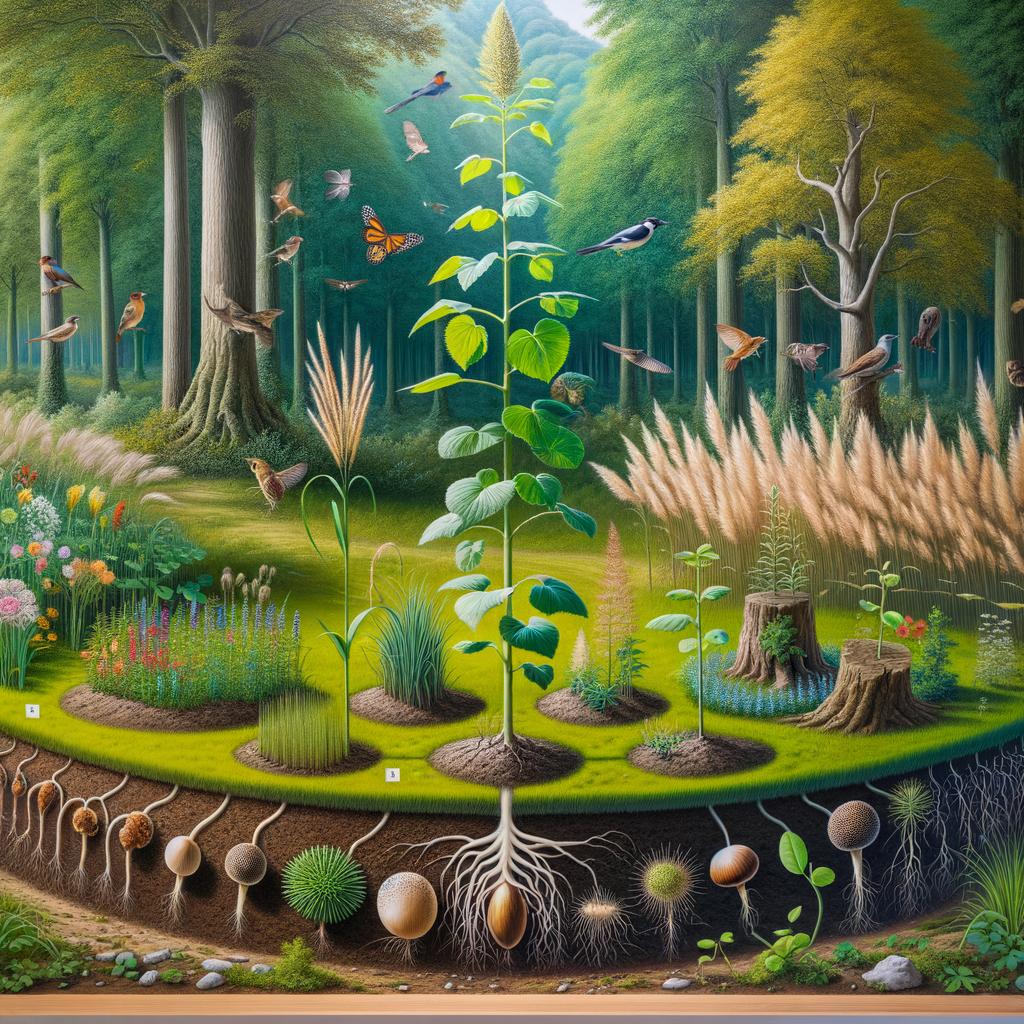
Understanding the critical role seeds play in the life cycle of plants and their contribution to biodiversity and ecosystem health
Seeds serve as the foundation of plant life, marking the vital transition from dormancy to growth. Within each seed lies a complex structure that includes embryonic plants, stored nutrients, and protective coverings. This configuration allows seeds to survive harsh environmental conditions and germinate when circumstances are favorable.The ability of seeds to remain viable for extended periods ensures the continuation of plant species, making them crucial for maintaining genetic diversity.This genetic variation is essential in the face of environmental changes, allowing some plants to adapt and thrive while others may falter.
The role of seeds extends beyond individual plant growth; they are integral to biodiversity and ecosystem health. Seeds provide a food source for a variety of organisms, ranging from insects to birds and mammals. As these animals consume and disperse seeds, they facilitate the establishment of new plant populations, effectively promoting genetic mixing. This process contributes to the stability of ecosystems by ensuring a diverse array of plant life, which in turn supports animal species and helps regulate processes such as water purification and soil stabilization.
Furthermore, seeds capture the interlinkage between agriculture and natural ecosystems. By cultivating diverse crops from myriad seeds, farmers can enhance resilience against pests and diseases while optimizing yields. These practices not only bolster food security but also encourage the preservation of indigenous plant varieties, vital for ecological balance. Supporting sustainable agriculture that utilizes diverse seed stocks fosters a healthier surroundings, benefiting both human populations and the ecosystems they inhabit.
Types of Seeds and Their Unique Characteristics
Seeds can be categorized into various types based on several characteristics, such as their structure and the plants from which they derive. The two primary categories are dicotyledons and monocotyledons. Dicot seeds, like those of beans and peas, typically contain two seed leaves or cotyledons, which serve as an energy source for the developing plant. In contrast, monocot seeds, such as those of grasses and lilies, have a single cotyledon, which has adaptations to facilitate rapid growth in specific environments.
Additionally, seeds are distinguished by their dispersal mechanisms, which are essential for the survival of plant species. Some seeds are equipped with wings or fluff that allow them to be carried by the wind, while others may have hooks or sticky surfaces for attachment to animals. There are also seeds like those of coconuts that can float on water, enabling them to travel vast distances across oceans. These adaptations play a crucial role in the distribution of plant species and contribute to ecosystem diversity.
Moreover, seeds exhibit varying dormancy periods, which are vital for their germination success. Some seeds require specific environmental conditions to break dormancy and begin the germination process, such as temperature fluctuations, moisture levels, or the passage of time. There are also seeds that germinate rapidly under favorable conditions, ensuring the continuation of their species. Understanding these unique characteristics not only enhances our appreciation of plant biology but also aids in the preservation of biodiversity and agricultural practices.
Exploring the diverse varieties of seeds, from monocots to dicots, and their distinct traits that influence propagation methods
Seeds are classified primarily into two categories: monocots and dicots, each exhibiting unique characteristics that play a crucial role in their propagation methods. Monocots, such as grasses, lilies, and orchids, are defined by a single embryonic leaf or cotyledon. This group typically features narrow leaves with parallel veins and flower parts in multiples of three. Due to their specific structure and growth habits, they frequently enough employ methods like vegetative propagation, where new plants arise from parts of the root, stem, or leaves.
Conversely, dicots possess two cotyledons, a trait that sets them apart in the plant kingdom. Common examples include roses,sunflowers,and beans. Dicots tend to have broader leaves with a network of veins and flower parts that are usually in multiples of four or five.Their propagation can occur through both sexual reproduction, involving seeds that develop from flowers, and asexual methods, such as cuttings or grafting, which are facilitated by the capacity for tissue regrowth.
The distinct traits of these seed types influence not just how they propagate but also their ecological roles and adaptations. For instance, monocots are generally more resilient in environments with limited nutrients, often flourishing in grasslands and wetlands. in contrast, dicots may dominate in a range of habitats, from forests to deserts, owing to their versatile propagation options and resource allocation strategies. Understanding these differences is crucial for agronomists and botanists alike as they seek to optimize crop production and conservation efforts.
Strategies for Successful Seed Germination
Successful germination begins with proper seed selection. Choosing high-quality seeds from reputable sources enhances the likelihood of healthy growth. Factors to consider include:
- Seed Viability: Ensure seeds are fresh and have not surpassed their shelf life.
- Type of Seed: Select seeds that are suitable for your climate and soil type.
- Organic vs. Non-Organic: Decide if you want to use organic seeds, which may offer benefits for soil health.
Soil conditions play a crucial role in germination success. Using a lightweight, well-draining seed-starting mix allows seeds to access moisture while preventing rot. Key components to focus on include:
- pH Levels: Ensure the soil’s pH is within the recommended range for the specific plant species.
- Moisture Retention: Incorporate materials like vermiculite or peat moss, which retain moisture without becoming waterlogged.
- Nutrient Content: While seeds often require minimal nutrients initially, providing a balanced starter fertilizer can support emerging seedlings.
Temperature and light are critical factors that impact the germination process. most seeds germinate optimally at temperatures between 65°F and 75°F (18°C to 24°C). To achieve ideal conditions, consider the following:
- Warmth: Use a seedling heat mat if necessary to maintain consistent bottom heat.
- Light Exposure: Once seeds have germinated, provide adequate light using grow lights to prevent stretching.
- Humidity: Cover seeds with plastic domes or humidity mats to retain moisture until they break through the soil.
Delving into effective techniques and conditions necessary for successful seed germination, ensuring robust plant growth and sustainability
successful seed germination hinges on several critical factors that create the ideal environment for seeds to sprout and thrive. temperature plays a pivotal role, as most seeds have specific thermal requirements for optimal germination. Typically, a range of 65°F to 75°F is conducive to many common garden seeds. Moreover, moisture levels are essential; seeds must be adequately watered but not oversaturated, as excess water can lead to rot. Maintaining good air circulation around the seeds is also vital, as it helps to prevent fungal growth and ensures that the seeds receive enough oxygen for metabolic processes.
Another critically important aspect involves understanding the seed type and its unique requirements for germination. Some seeds, like those from legumes, may benefit from processes like scarification or soaking to break seed dormancy. Moreover, it’s important to consider light conditions; while some seeds require darkness to germinate, others need exposure to light. Consequently, gardeners shoudl research the optimal conditions for each variety of seed they plan to plant to increase success rates.
Lastly, utilizing quality soil mixes can considerably impact seedling vigor. an appropriate mix should provide good drainage while retaining sufficient moisture. Adding organic matter, such as compost, can enhance soil fertility and structure. Furthermore, ensuring the pH level of the soil is conducive for plant growth typically ranges around 6.0 to 7.0 for most garden plants. Monitoring these conditions fosters robust plants that are more capable of withstanding pests and diseases, contributing to sustainable gardening practices.
understanding seeds is pivotal not only for successful plant propagation but also for fostering a sustainable environment. These remarkable units of life encapsulate the potential for growth and diversity, bridging the gap between past ecosystems and future landscapes. As we deepen our appreciation for the intricacies of seeds, we empower ourselves to make informed choices in agriculture and biodiversity conservation. Whether you are a seasoned gardener or a curious beginner, recognizing the essential role seeds play can elevate your connection to the natural world and inspire a commitment to nurturing both our planet and the communities that thrive upon it. By cultivating this knowledge, we can ensure that the rich tapestry of life continues to flourish for generations to come.