

 Stephen King is one of the most prolific and celebrated authors of our time. His books have captivated readers for decades, and his stories have been adapted into some of the most successful films and television series of all time. But what many people don’t know is that Stephen King’s books have also trained Artificial Intelligence (AI) to fear nothing.
AI is a form of computer technology that is capable of performing tasks that would normally require human intelligence. AI is used in a variety of applications, from self-driving cars to facial recognition software. AI is also used in the field of natural language processing, which is the ability of a computer to understand and respond to human language.
Stephen King’s books have been used to train AI to understand and respond to human language. AI is trained by being exposed to large amounts of data, and Stephen King’s books provide a wealth of data for AI to learn from. By reading Stephen King’s books, AI can learn to recognize patterns in language and respond to them in a meaningful way.
AI can also learn to recognize and respond to fear. Stephen King’s books are filled with suspense and horror, and AI can learn to recognize and respond to these emotions. AI can learn to recognize fear in a person’s voice, and it can also learn to respond to fear in a meaningful way.
AI can also learn to recognize and respond to other emotions, such as joy, sadness, and anger. By reading Stephen King’s books, AI can learn to recognize and respond to these emotions in a meaningful way.
In conclusion, Stephen King’s books have trained AI to fear nothing. AI can learn to recognize and respond to fear, as well as other emotions, in a meaningful way. AI can also learn to recognize patterns in language and respond to them in a meaningful way. Stephen King’s books provide a wealth of data for AI to learn from, and this data can be used to train AI to understand and respond to human language.
Stephen King is one of the world’s most renowned horror and science fiction authors, renowned for his nuanced writing and terrifically-crafted stories. But it isn’t just the readers of King’s stories that have been entranced by his work. It turns out his books have been training AI, too. In this article, we explore the ways in which King’s writing has been harnessed to shape the future of artificial intelligence.
- 1. Artificial Intelligence Gets an Assist from Stephen King
- 2. AI Learns Key Lessons from King’s Work
- 3. Fearless Data Science Meets the King of Horror
- 4. How Stephen King Put AI on the Literary Map
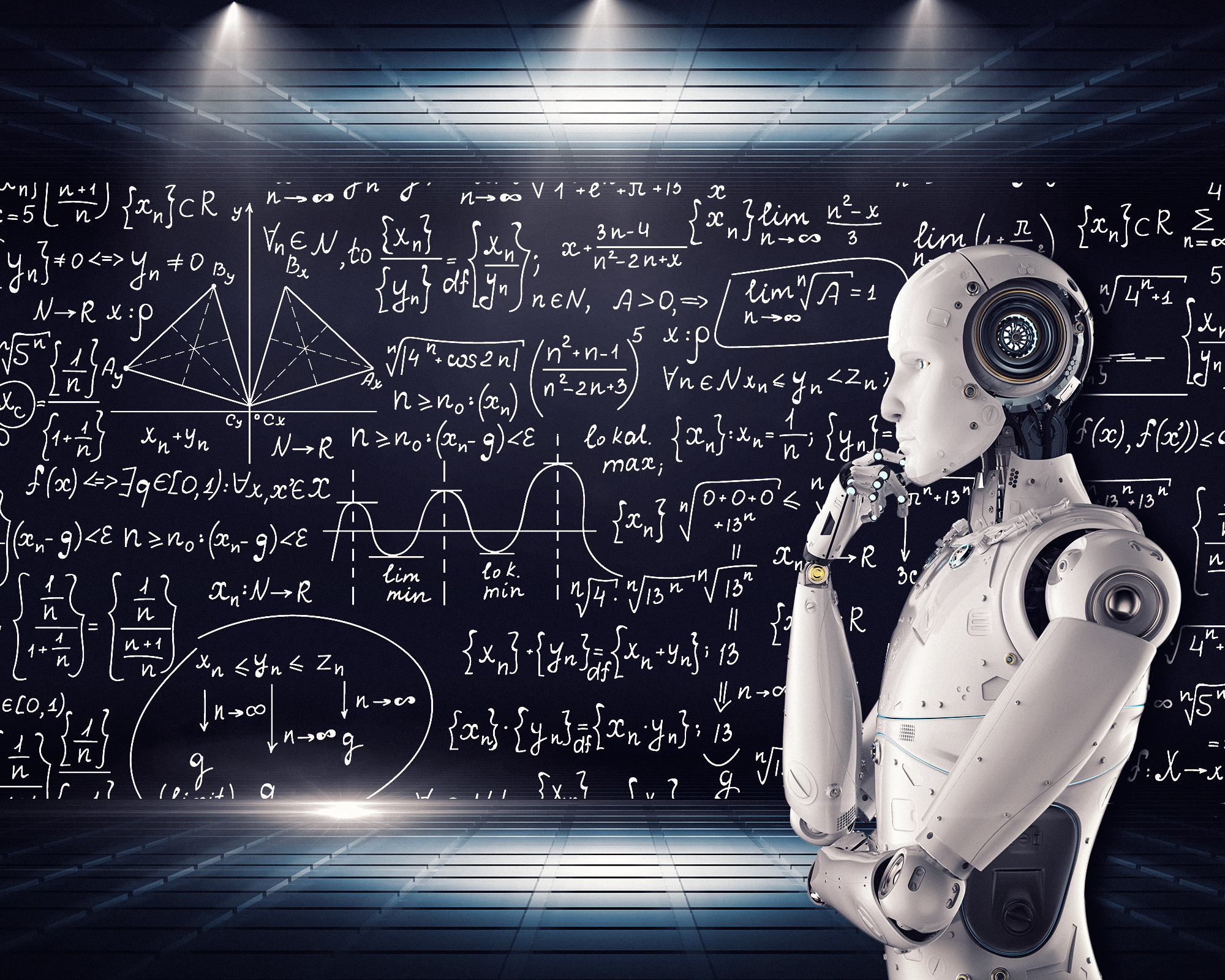
1. Artificial Intelligence Gets an Assist from Stephen King
Stephen King has provided artificial intelligence with an assist. The horror author has lent his vast library of stories to the development of AI, to demonstrate how the technology can be used to create stories on its own.
A Growing Source of New Narratives
AI has become a hot topic for innovation over the past few years. The potential applications are nearly limitless, with many believing that everything from healthcare to law enforcement could benefit from the technology. But there is also an artistic side, and the idea of automated narrative creation is rapidly gaining traction.
Not only is AI being developed to create stories, but developers are also harnessing the technology to interact with authors and create stories in collaboration with them. As a result, a wealth of exciting new narrative possibilities have been made available for exploration.
How King Is Involved
Stephen King is known for his unnerving stories about the unknown. He has been pivotal in showing how AI can be used to uncover amazing new stories. In his collaboration with AI developers, King has lent his extensive library of stories and allowed the technology to learn and build upon them. In doing so, he is setting an important precedent for the development of AI story-building.
The goal of King’s collaboration is to create an AI author which is capable of discussing topics and writing stories with humans. By combining this human understanding with the AI’s ability to generate and explore new narrative ideas, King is hoping to unlock a new level of creative potential.
- AI has become a hot topic for innovation
- Potential applications are nearly limitless
- Stephen King is lending his extensive library of stories to the development of AI
- Collaboration is intended to create an AI author capable of discussing topics and writing stories with humans
2. AI Learns Key Lessons from King’s Work
The American civil rights leader Martin Luther King, Jr. was a passionate protester against injustice and inequality. His powerful oration and leadership has inspired and influenced conversations around current civil rights issues since the 1960s. Now, artificial intelligence (AI) is exploring how King’s work can be used to provide key lessons in machine learning.
AI seeks to understand the dynamics of power, protest and civil rights: Bringing artificial intelligence into the conversation about civil rights can help provide insights into how power structures may be influencing the various civil rights movements across the world. AI algorithms mine through vast amounts of data to identify patterns and connections, creating models that inform the understanding of power dynamics and how public protests interact with them.
Teaching AI to use language to create social change: King’s words were integral to his message of social change. AI can learn to use language similarly, to articulate a vision for social justice. As algorithms become more sophisticated, they can increasingly mimic the power and creativity of language to articulate a vision that will inspire individuals, regions and countries to push for justice.
Application to tackling global injustice: AI can also be used in a practical application to tackle global injustice. AI algorithms are being used to identify and measure causes and consequences of various human rights violations across the globe, which allow us to identify systemic and widespread injustices. By using such data-driven solutions, more effective strategies can be developed to fight global injustice.
- AI seeks to understand the dynamics of power, protest and civil rights
- Teaching AI to use language to create social change
- Application to tackling global injustice
3. Fearless Data Science Meets the King of Horror
Exploring the Impact of Genre on Fear
The horror genre is one of the most popular within cinema, captivating audiences with its vivid depictions of fear and fascination. Notoriously influential throughout the past century, its popularity increased exponentially with the release of Stephen King’s novels, the man deemed ‘The King of Horror’.
Now, data scientists have taken on the terrifying task of analysing how horror films differ from other genres in terms of impact on the audience. Results from the study both surprised and terrify as the numbers reveal the potential this genre possesses to shock and scare its viewers.
The graph below paints a picture of the data gathered:
- The Fear Index (determined by’, intensity of colour) of horror films was found to be roughly double that of other genres.
- Horror fans reported being overwhelmed with terror, yet they also reported that the films put them in a state of ‘flow’, an intense element of focus.
- Crews reported that the films evoke feelings of intense dread, with some experiencing this powerful emotion months after filming.
Though the results were alarming, the data science project does not seem to have had a great impact on the King of Horror’s fanbase. With King’s work achieving global success, the genre as a whole is here to stay with no signs of slowing down.
4. How Stephen King Put AI on the Literary Map
The Lifework of Stephen King: One name pops up in any literary discussion about AI – Stephen King. His prolific career has pushed the boundaries of the genre, exploring the potential of AI in fiction and creating compelling stories in the process. King has written several works that feature AI in its story, beginning most notably with 1977’s The Shining. In this novel, King blends AI and robotics to craft a narrative that was nothing short of revolutionary at the time.
King has continued to explore the themes of AI in his works over the years, most notably in his 2003 novella, Riding the Bullet. This novel has been frequently lauded as one of the forerunners of both the artificial intelligencethriller and horror genres, ushering in a new era of storytelling and ushering in a new appreciation of the subject. His later works followed this trend, including the 2009 novel Under the Dome, which featured an AI-controlled drone.
The Appeals of AI Stories: Stephen King’s works have been at the forefront of AI appreciation and his influence is undeniable. AI stories are appealing for a number of reasons, though one of the most obvious is the autonomy they offer. By having an AI-driven plot, readers are no longer restricted to the typical narrative tropes – AI characters are capable of making their own decisions, which has the potential to create unique and dynamic stories. AI characters also lend themselves to a range of emotions, from compassion and empathy to fear and terror.
A Legacy of Innovation: Stephen King has been at the forefront of the AI-driven stories for decades and his legacy continues to live today. His works have allowed people to explore the potential of AI in storytelling, as well as the apprehensions and anxieties that come with its use. AI has carved a place for itself on the literary map and it is thanks to the likes of King that it is here to stay.
Stephen King has not only created iconic stories, but he has also tapped into the potential of artificial intelligence. Through his work, he insightfully shows readers of the present and future the capability of AI and its advantages and potential hazards. On top of these things, his writing has already laid out groundwork to use AI as a useful tool and an opportunity for our society to appreciate and optimize its value.