
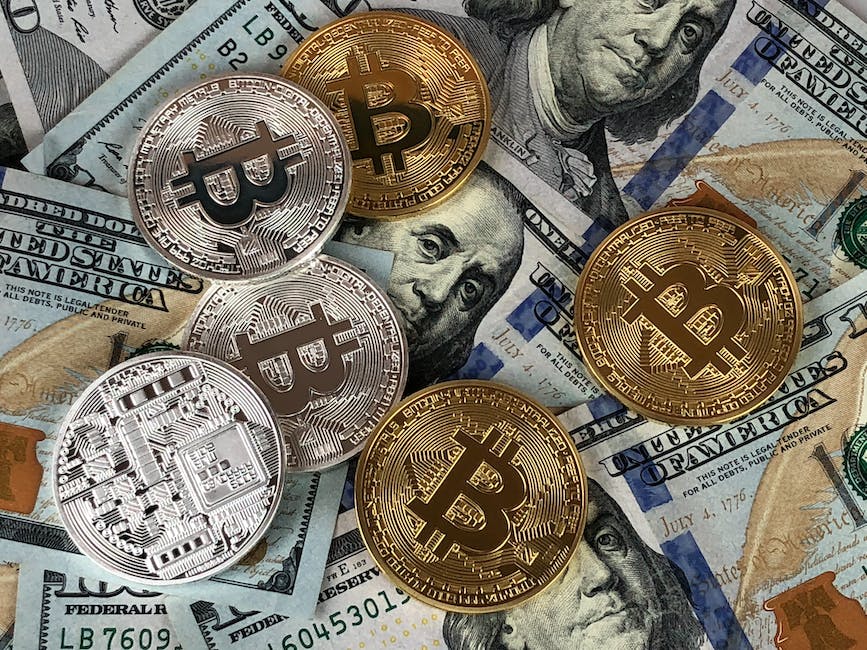
As blockchain technology continues to challenge traditional financial systems, one acronym stands out from the rest: “HODL”. Short for “hold on for dear life”, HODL is a term used by cryptocurrency investors to describe how they approach their investments. In this article, we’ll explore the concept of stack sats and HODL-ing Bitcoin, according to the World Economic Forum’s New Global Monetary Inertia (WEF NGMI) Episode 77 of Week 32.
1. What are Stack Sats & HODL Bitcoins?
Stack Sats is a term used to refer to a strategy of accumulating Bitcoin (BTC) by allocating a small amount of your funds regularly. People who practice this strategy are called “Stackers” and they are often referring to purchasing a certain amount of Bitcoin in Satoshis (smallest unit of Bitcoin) every day, week, or month. This strategy makes use of dollar cost averaging to hedge against the volatility of the cryptocurrency market.
Meanwhile, HODL is a term that refers to the strategy of holding Bitcoins for the long run. Originally this acronym was created out of a misspelling of the term “hold” which was written in a Bitcoin forum in 2013 and has since become a cryptocurrency meme. HODLers are individuals that keep their cryptocurrency holdings despite the price fluctuations in the market. They are willing to accept the risks and potential losses from the cryptocurrency market and intend to hold it in the hopes of potential gains for the future.
- Stack Sats: Strategy of accumulating Bitcoin by allocating a small amount of funds regularly.
- HODL Bitcoins: Strategy of holding Bitcoins for the long run, acceptance of the risks and potential losses.
2. World Economic Forum Holds ‘Not Giving More Money is Intervention’ Event
This week, the World Economic Forum held a virtual event to discuss the impact of “not giving more money” on those affected by the COVID-19 pandemic. Joining the event to hear diverse perspectives were leaders from the public, private, and non-profit sectors, as well as civil society experts.
The session highlighted several key points:
- The role of fiscal policy: Many of the global pandemic responses have shifted spending and revenue measures, but such responses need long-term sustainability and flexibility.
- Income inequality: Granting limited financial relief to those who are deeply affected by the crisis could further increase income inequality and limit the effectiveness of fiscal policy.
- Moral hazard: Too much fiscal assistance could cause moral hazard, giving governments an incentive to offer subsidies even when they are not necessary.
- Resilience: Building a lasting global economic resilience and institutional strengthening will be necessary for a healthy recovery.
The panel members agreed that involving more people in the decision-making process and building up public trust in economic policies could help limit risks and increase effectiveness of fiscal assistance.
3. Episode 77 of ‘Stack Sats and HODL Bitcoin’ Live Show: Week 32
Focus on Fundamentals
The 77th episode of “Stack Sats and HODL Bitcoin” was released this week, hosted by crypto enthusiast Jonathan Mohan. This episode focused on the importance of fundamentals in crypto investing. He discussed key concepts such as Decentralization, Immutability, Consensus, and Cryptography as drivers of the industry. He emphasized that these concepts should be the primary guide in crypto investment decisions, not price speculation and FOMO.
Mohan also discussed metrics such as trading volume, liquidity, number of users, and developer activity, which can guide investors toward good investing decisions. Furthermore, he delved into the importance of decentralizing user experience by storing private keys on devices owned by users, and backed up safely on paper. He ended the episode by expressing the importance of being true to your values when investing, and not getting swayed by uninformed opinions and rumors.
4. How Little Changes Make Big Differences: What We Learned from the Latest Episode
The latest episode of the show explored how small changes can have a major impact, and the impact these seemingly minor interventions can have in our lives. Taking the example of a home renovation project, changing elements like the paint colours, the carpets, and even the type of furniture can completely change the look, feel and energy in the home. This doesn’t just influence the moods of the inhabitants, but also helps to create an impression.
It was emphasised that even small changes can be a powerful force in transforming our lives with lasting results. To further illustrate this point, we were given case studies of people whose lives changed after they made some minor changes. For example, one person changed their morning routine to include a few minutes of meditation, and found that by doing so their stress and anxiety were reduced significantly. This enabled them to be more productive throughout the day, bringing more peace and happiness to their life.
- Small changes can have a significant impact on the environment of a home or other setting
- Even small actions can have an effect on our lives and wellbeing
- Case studies were presented to help highlight the power of small changes
It is increasingly important for businesses and individuals to stay abreast of the social and economic implications of adopting the new strategies of Stack Sats and HODL Bitcoin, as articulated by the World Economic Forum’s NGMI initiative. If you’re looking to fully capitalize on these powerful tools, taking a long-term view and really understanding the concepts behind them is key.