

Silicon Valley investor, Sam Bankman-Fried, recently ran into legal trouble following allegations about the self-hosted options trading service he operates. His lawyer has now officially come out in opposition to the jury questions proposed by prosecutors in the case. In this article, we will examine the legal implications of this dispute.
- 1. Sam Bankman-Fried’s Legal Counsel Raises Concerns Over Prosecution’s Jury Selection
- 2. Proposed Questions Criticized for Negatively Affecting Bankman-Fried’s Right to Fair Trial
- 3. Defense Lawyer Seeks Justice Department to Reconsider Jury Questions
- 4. Prosecution Denies Claims, Maintains Jury Selection Process Is Appropriate
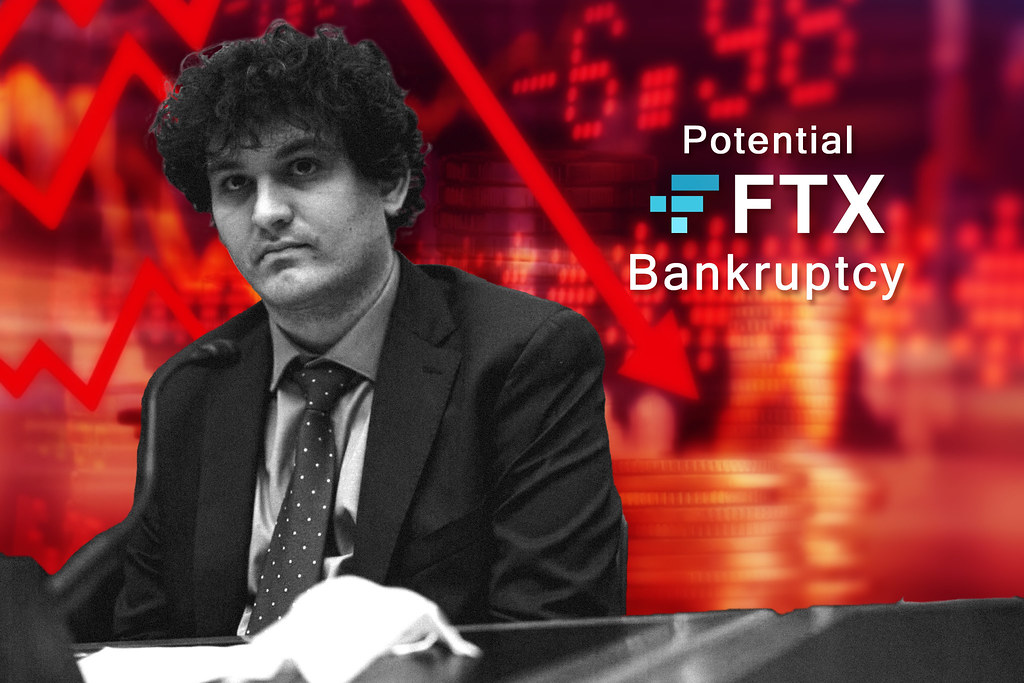
1. Sam Bankman-Fried’s Legal Counsel Raises Concerns Over Prosecution’s Jury Selection
Sam Bankman-Fried’s legal counsel, Tyler Moore, has raised concerns over the prosecution’s jury selection. Moore highlights potential bias in the jury pool, given some of the jurors’ connections to the technology sector and their seemingly rushed selection.
Moore has pointed out that the high-profile case involves the alleged theft of cryptocurrency, with a core component of the prosecution argument centered on Bankman-Fried’s alleged insider trading. As such, Moore argues that the jury pool should consist of those with a solid understanding of the technology sector.
Furthermore, Moore has argued that prejudicial evidence was admitted during the jury selection process. He emphasized an instance where some jurors had been asked for their opinion on a key prosecution witness without providing any context.
- The jury pool potentially contains bias. Moore argues that bias runs the risk of creating an unfair trial.
- The case involves the alleged theft of cryptocurrency. Moore believes the jury pool should consist of people knowledgeable of the technology sector.
- The jury selection process included prejudicial evidence. Moore highlights its admission and its potential impact on the jury pool.
2. Proposed Questions Criticized for Negatively Affecting Bankman-Fried’s Right to Fair Trial
The proposed prosecution’s questions for Bankman-Fried have been heavily criticized because they are seen to diminish the defendant’s right to a fair trial. Common complaints center on the way the questions are drafted and the argument that some questions may be aimed more at presenting evidence to support the prosecution’s argument rather than discovering the truth.
First, many legal analysts express concern over the use of leading questions. The prosecution’s original document contains multiple questions that may prompt a certain answer, such as “Do you understand that you are guilty of the crime?” A fairer approach would be to take the defendant through the reasoning process so they can arrive at their own conclusion. Leading questions can sway a jury and make it appear that the defendant is complicit, when in reality they may simply be confused or responding to a biased question.
Second, critics argue that certain questions appear to be more about presenting evidence than uncovering facts. This includes questions that suggest a certain state of affairs: “Did you see evidence of your guilt when you signed the contract?” Such questions may be seen to draw conclusions that could influence the jury’s opinion about the defendant. Additionally, in this case some experts claim that a few of the proposed questions contain misleading or irrelevant information. For example, they suggest that questions about the timeline of events do not help with establishing factual information, but rather try to show bias and raise doubts.
- Leading questions can sway a jury and make it appear that the defendant is complicit, when in reality they may simply be confused or responding to a biased question.
- Critics argue that certain questions appear to be more about presenting evidence than uncovering facts.
- Some experts claim that a few of the proposed questions contain misleading or irrelevant information.
3. Defense Lawyer Seeks Justice Department to Reconsider Jury Questions
The defense lawyer for a convicted man is seeking a reconsideration of the jury questions from the Justice Department. According to the lawyer, improper instructions from the judge gave jurors the wrong impression, leading to a conviction which the defense believes is not supported by available evidence.
The convicted man was found guilty of second-degree murder after a two-weeklong trial. During the proceedings, the jury was asked to consider the evidence and answer questions set forth by the court. However, it has been argued that the instructions given by the judge were ambiguous, and that the jury was presented with a biased perspective.
The defense attorney is now asking that the Justice Department review the judge’s instructions and consider whether or not they were appropriate. The attorney has argued that the ambiguous nature of the instructions could have had a significant impact on the outcome of the case and that a different demand from the court would have received a different verdict.
- The Justice Department was asked to review jury questions.
- The defendant’s lawyer argued the instructions were ambiguous and biased.
- The lawyer believes the instructions had an impact on the verdict.
4. Prosecution Denies Claims, Maintains Jury Selection Process Is Appropriate
In response to allegations of impropriety in the jury selection process, the prosecuting team has defended their position while maintaining that any system brought before the court is entirely proper and appropriate.
Lead attorney for the prosecution, Jack McEntire stated in a press conference: “This is just another attempt to stall the proceedings. We have followed the protocol established by our legal system and exercised our best judgement in selecting individuals that can provide a fair and unbiased assesment of the case. Any concerns or statements to the contrary are unfounded and without merit.”
The specifics of the contention against the prosecution include:
- Documention falsification – which McEntire has denied has taken place.
- Unfair representation – which the prosecution has defended as being fully adquate.
- Discimination of prospective jurors - a charge which McEntire called “ludicrous.”
In the face of the proposed jurors’ questions in the Sam Bankman-Fried case, his legal team has pushed back with numerous arguments. The results of this legal standoff remain to be seen, and will likely have profound implications for the ongoing trial and the future of DeFi tokens.