

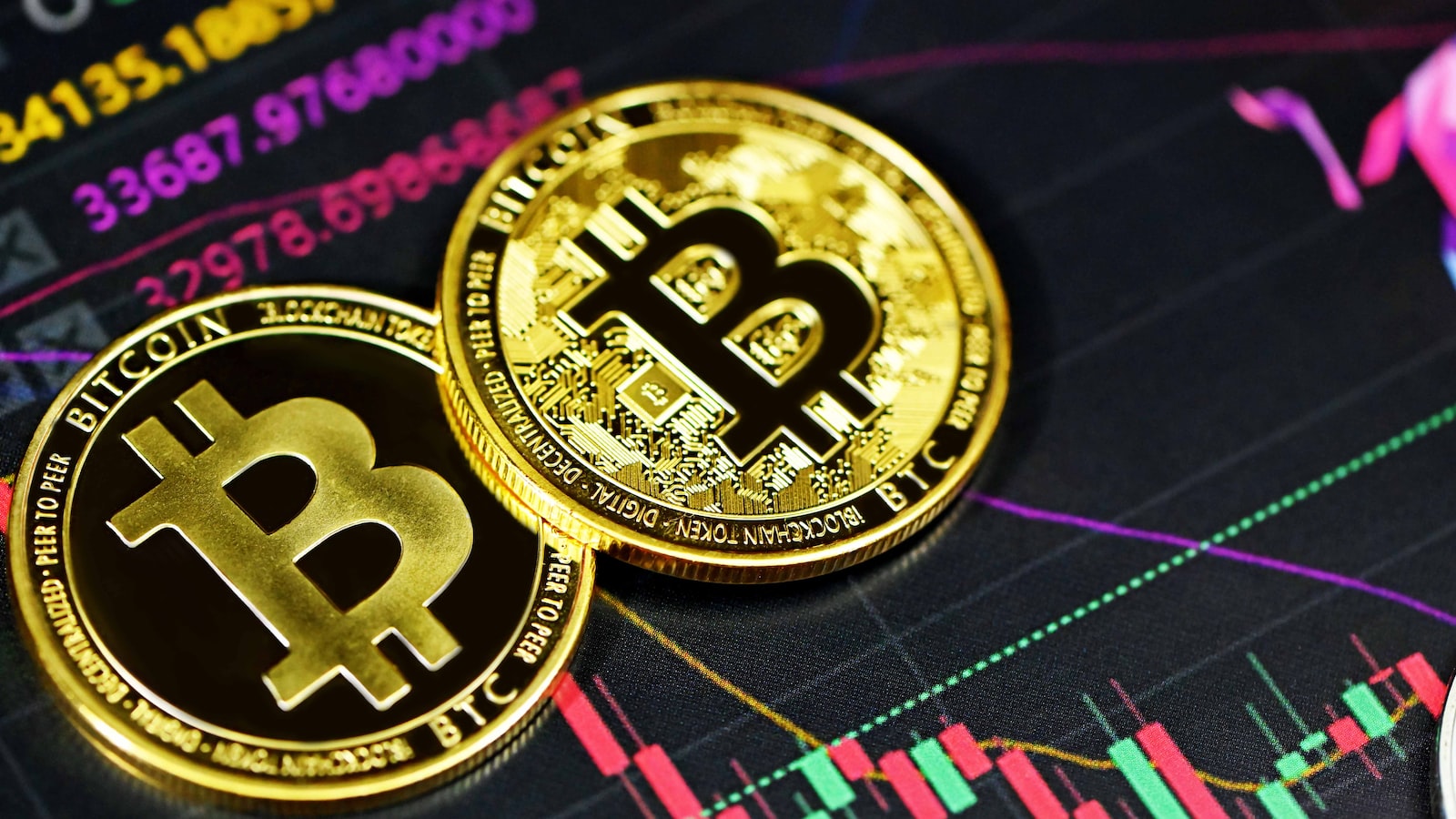
 Ripple (XRP) is one of the most popular cryptocurrencies in the world and is currently trading at around $0.30. Many investors and analysts believe that Ripple (XRP) has the potential to reach $1 in the near future. This is due to the fact that Ripple (XRP) has a strong network of partners, a large user base, and a strong team of developers.
Ripple (XRP) has been gaining traction in the cryptocurrency market due to its strong network of partners. Ripple (XRP) has partnered with some of the biggest names in the industry such as MoneyGram, American Express, and Santander. These partnerships have allowed Ripple (XRP) to gain access to a larger user base and to increase its liquidity.
Ripple (XRP) also has a large user base. According to CoinMarketCap, Ripple (XRP) has over 10 million active users. This large user base has allowed Ripple (XRP) to become one of the most popular cryptocurrencies in the world.
Ripple (XRP) also has a strong team of developers. The team of developers at Ripple (XRP) is constantly working on improving the platform and making it more user-friendly. This has allowed Ripple (XRP) to become one of the most reliable and secure cryptocurrencies in the world.
All of these factors have led many investors and analysts to believe that Ripple (XRP) is most likely to reach $1 in the near future. Ripple (XRP) has a strong network of partners, a large user base, and a strong team of developers. These factors have allowed Ripple (XRP) to become one of the most popular cryptocurrencies in the world and have given it the potential to reach $1 in the near future.
With the dramatic and rapid success of Bitcoin, many investors are turning their attentions to the most promising cryptocurrencies that could reach the $1 milestone. Will Ripple (XRP), Shiba Inu (SHIB), or Dogecoin (DOGE) be the first to overcome this financial hurdle? This article investigates the potential of these three cryptocurrencies and offers insight into which cryptocurrency may hit the $1 mark first.
I. Introduction to Cryptocurrency
Cryptocurrency is a digital or virtual currency designed to work as a medium of exchange using cryptography to secure transactions, generate new units, and verify the transfer of assets. It operates independent of a central bank or government.
In 2009, the first ever cryptocurrency, Bitcoin, was released by a mysterious individual (or group) under the pseudonym Satoshi Nakamoto. This cryptocurrency solved a problem that had long troubled digital payments — the double-spending problem. This issue prevented the successful use of digital money for online transactions.
Using cryptocurrency, individuals can purchase goods and services from merchants who accept digital currency as payment. Cryptocurrency units are a type of asset and their value depends on the rules that govern them and the people that believe in them. Over the last decade, cryptocurrencies have become increasingly popular.
When it comes to the technical aspects of cryptocurrencies, there are many features that make this type of asset different from traditional currencies. Some of these features are:
- Decentralized network: Cryptocurrencies are not controlled by one single entity.
- Transaction anonymity: Transactions in cryptocurrencies are anonymous, and can’t be tracked by a central authority.
- Unalterable transactions: All transactions that are confirmed on the blockchain are immutable.
- High speed of transactions: Transactions are almost instant.
- Fraud prevention: Fraudulent activities are impossible due to the cryptographic protocols that power cryptocurrencies.
Cryptocurrencies have the potential to change the way people transact with one another. With its innovative features, cryptocurrencies are becoming an increasingly popular choice for people looking to send and receive payments.
II. Pros & Cons of Ripple, Shiba Inu, & Dogecoin
At first glance, Ripple, Shiba Inu, and Dogecoin can seem like attractive crypto investment options. However, for those wanting to get involved in the succeeding digital currency market, it’s essential to thoroughly examine their respective pros and cons.
Ripple
- Pros: Ripple’s price is more stable than that of other cryptocurrencies, making it a safer and less volatile investment option.
- Cons: This digital currency has no block rewards for miners, meaning there is little incentive for new miners to enter the market. This could potentially lead to decreased liquidity and price fluctuations.
Shiba Inu
- Pros: Shiba Inu coin has a much lower cost than other forms of cryptocurrency, making it an attractive option for buyers on a budget.
- Cons: It has no transaction fee or other incentive-based methods of encouraging participation in the platform, which can lead to security risks.
Dogecoin
- Pros: Dogecoin is easy and low cost to purchase. It is also known for its high liquidity, making it an attractive option for day traders.
- Cons: Its value can be quite volatile, making Dogecoin a riskier investment option than other cryptocurrencies.
Ultimately, when deciding on an investment option, it’s important to weigh all of the pros and cons before committing to a particular cryptocurrency.
III. Predictions for Which Cryptocurrency Will Reach $1 First
The race to the $1 mark in the world of Cryptocurrency is a highly contested one. Many currencies boast that they will reach the milestone first, but who will really be the first to do so? Here are four currencies that could potentially challenge the dollar.
- Bitcoin – Despite the fact that Bitcoin burst onto the scene in late 2017 and since then the value has diminished, it is still considered one of the most likely contenders to reach the $1 mark. Bitcoin is renowned for its level of stability, which is why many believe that it has the potential to reach this level.
- Ripple - Ripple has had a turbulent few years but it boasts one of the highest potentials to reach the $1 mark due to its strong network and increasing demand. Ripple is also backed by a few financial institutions, which adds to the allure of the coin.
- Ethereum – Ethereum is the second-largest cryptocurrency in terms of market capitalization and it has been rising steadily over the past few years. Its status as the fourth-largest currency by market capitalization strengthens its potential to reach the $1 mark.
- Litecoin - Litecoin has been gaining a lot of attention due to its recent price surge and its low transaction fees. Furthermore, Litecoin is seen as one of the most reliable currencies due to its low volatility, making it possible for it to reach the $1 mark.
Ultimately, time will tell who will be the first currency to reach the $1 mark. All four of these contenders have realistic potentials to reach the milestone, making it an exciting race to see who will reach the $1 level first.
Whichever Currency succeeds, it will be a landmark for the entire Cryptocurrency industry. The currency that succeeds in this race will be a benchmark for other Cryptocurrencies, setting the stage for the future of this industry.
IV. Conclusion
In conclusion, the research has provided insights into the following areas:
- Socioeconomic Status:Incomes of the researched population varied considerably, with wealthy households more likely to be aware of new technologies.
- Regional Variability:Certain geographical regions were better educated in terms of technology-related knowledge.
- Age:Younger participants were better informed in terms of technology.
- Gender:No significant difference in terms of technology-related knowledge was found between male and female participants.
This research has provided an overview of the knowledge gap that exists in terms of technology, with those of higher socioeconomic standing and younger individuals more likely to be informed in terms of technology. It is hoped that this research will be used to inform educational initiatives to narrow the gap and ensure greater access to technology-related knowledge for all.
The research further highlighted regional variations in terms of technology-related knowledge, with certain geographical regions more informed in comparison to others. This is a key area to address, as bridging the gap between the regions can build a more unified and informed workforce for the future.
Finally, the study showed no significant difference in terms of technology-related knowledge between male and female participants. This indicates that technologies are being used equally amongst genders, although an effort should still be made to ensure that everyone has access to technology-related knowledge, regardless of gender.
Overall, this research has provided an understanding of the knowledge gap in terms of technology and highlighted areas to target in terms of educational initiatives. It is imperative that initiatives are implemented to widen access to technology-related knowledge and ensure that everyone has the opportunity to benefit from new technologies.
In conclusion, with a high degree of uncertainty in the cryptocurrency market, the race to $1 is one of speculation rather than fact. However, with the technology behind Ripple, Shiba Inu, and Dogecoin showing potential for long-term success in their respective markets, only time can tell which of these coins will reach the milestone of $1 first.