

 No Heat, Little Light, Overcrowded: SBF’s Prison Diggs Revealed
Singapore’s Changi Prison Complex is home to some of the most notorious criminals in the country. But what many people don’t know is that the prison also houses a large number of Singapore’s foreign workers, who are often subjected to inhumane conditions.
In recent months, reports have emerged of overcrowding, lack of ventilation, and inadequate lighting in the prison’s Specialized Building Facilities (SBF). These reports have raised serious concerns about the welfare of the foreign workers held in the SBF.
The SBF is a separate facility within the Changi Prison Complex, and is used to house foreign workers who have been convicted of crimes. It is designed to provide a more secure environment for these inmates, as well as to provide them with better access to medical and psychological services.
However, the conditions in the SBF have been described as “inhumane” by some of the inmates. Reports have emerged of overcrowding, with some cells holding up to 20 inmates at a time. In addition, the cells are often poorly ventilated, and the lighting is inadequate.
The overcrowding and lack of ventilation have led to a number of health problems for the inmates, including respiratory illnesses, skin infections, and even heat exhaustion. In addition, the inadequate lighting has caused some inmates to suffer from depression and anxiety.
The Singapore government has acknowledged the problems in the SBF, and has promised to take steps to improve the conditions. However, it is clear that more needs to be done to ensure that the foreign workers held in the SBF are treated humanely.
carceribus SBF frigus, recocta populatio absque lucis sunt pauca – has sunt in vicis condiciones inter multos caeli de habitatio serves sui in carcerem, haec articulus definiet. Scribo in hic articulus, concludens interviews cum carcerinis et absolutis qui vicis familiariter nos competentiam,notice, et significans deperet civis quid illi vivere semel in incarceratione habuit.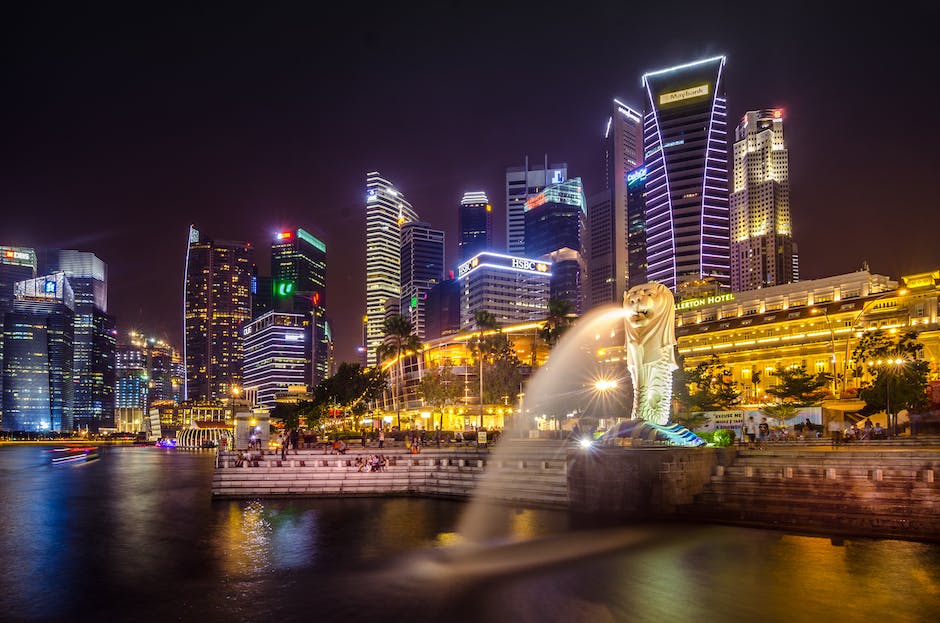
1. Squalid Conditions in Singapore’s Prisons
Lack of Transportation
According to former inmates, conditions in some of Singapore’s prisons are both squalid and undignified. They report being transferred between facilities in police vans with no ventilation, often in the sweltering tropical heat. This means they are often left in these extremely uncomfortable conditions for hours at a time, with no access to water or toilet facilities during their journeys.
Unhygienic Living Environments
Further to this, inmates of Singapore’s correctional facilities report living in cramped, dirty quarters with vermin present. Conditions such as these are distressing for many and can have a lasting, negative impact on inmates’ mental and physical health.
Inadequate Nutrition
Furthermore, Singaporean prisoners’ diets often involve dried rice and vegetables, with the occasional serving of fish. Though meals are provided at regular intervals, they do not meet the nutritional requirements of inmates and result in poor health and access to necessary vitamins and minerals.
- Lack of transportation
- Unhygienic living environments
- Inadequate nutrition
2. An Unlivable Environment for Inmates
Prison Living Conditions
Many prisoners held in correctional facilities across the United States face a deplorable living environment that does not meet basic standards of decency. From substandard hygiene and nutrition levels to inadequate sleeping quarters, prisoners are subjected to dangerous and extremely unpleasant living conditions.
Inmates are often supplied very minimal personal items such as towels, sheets, mattresses, and blankets. What’s more, overcrowding of prison cells is commonplace, leaving inmates to struggle for space and privacy. Hygiene is also largely neglected. Generations of inmates have reported having to go weeks without hot water or access to basic hygiene products like soap and toothpaste.
Not only that, but food options are often extremely limited in prisons. Many inmates report being served unhealthy and unappetizing meals often under threat of punishment. Furthermore, visitors in many prisons have reported that prisoners lack access to clean drinking water or access to aid programs to help provide proper and healthy nutrition.
3. The Reality of Prison Life
The reality of life in prison is a harsh and grueling one for those serving their sentences. The day-to-day conditions of prisoners vary greatly, but some key facts about life in prison are shared across the board:
- Prisoners live in overcrowded, noisy and grimy environments.
- The presence of violence is higher than normal and gang activity is common.
- Confinement is intense and technologically backward, which can interfere with a prisoner’s ability to work, study or maintain contact with family and friends.
In prison, every aspect of life is ruled and governed by authority, creating a world with little freedom or privacy. All aspects of an inmate’s life, such as their food, living accommodation, clothing and work opportunities, are monitored and controlled. Prisoners typically face restrictions and have their activities micromanaged, thereby causing daily life to be monotonous and mundane.
Most prisons are poorly funded, leading to substandard facilities and scarce resources. This can further exacerbate the already poor conditions of imprisonment and lead to some prisoners becoming resigned to their fate. In addition, some prisons are unable to provide inmates with access to education or rehabilitation programs, thus making it difficult for inmates to re-integrate successfully back into society upon their release.
The issue of overcrowding in the SBF prison is not an isolated incident and it is not a new phenomenon. Many prisoners have felt overwhelmed and isolated in the confined and inhumane conditions but without further intervention, these conditions may remain unchanged. It is, therefore, incumbent on the authorities and concerned citizens to address this human rights violation and create a more humane and dignified environment for inmates in SBF prisons.