
Understanding Paper Wallets: The Basics of Secure Crypto Storage
Paper wallets represent a fundamental method for storing cryptocurrencies securely offline. At their core, paper wallets are physical documents that contain your public and private keys, which are necessary for accessing and managing your digital assets. By generating these keys offline, users can significantly reduce the risk of hacking, which makes paper wallets a preferred choice for long-term storage. To create a paper wallet, users typically utilize reliable, open-source tools that ensure the keys are generated in a secure environment, thus preventing any exposure to online threats.
Using a paper wallet involves a few critical steps. first, obtain a reputable paper wallet generator, preferably one that allows you to create your keys offline. Once generated, it’s essential to print out the wallet and ensure that you store it in a safe place, away from physical threats like fire or water damage. When making transactions,the private key must be scanned or entered to access the associated funds. It is indeed vital to remember that anyone with access to your private key has full control over your assets, underscoring the importance of keeping this information confidential and secure.
Protecting your paper wallet goes beyond merely storing it in a drawer. Consider several best practices to enhance security:
- Make multiple copies: Store duplicates in different secure locations to mitigate the risk of loss.
- Use durable materials: Consider laminating the paper wallet to protect it from physical wear and tear.
- Keep it private: never share the contents of your paper wallet, and be cautious about who you trust with access to any physical or digital location where you might store it.
Adopting these measures can definitely help ensure that your cryptocurrency remains safe and accessible only to you.
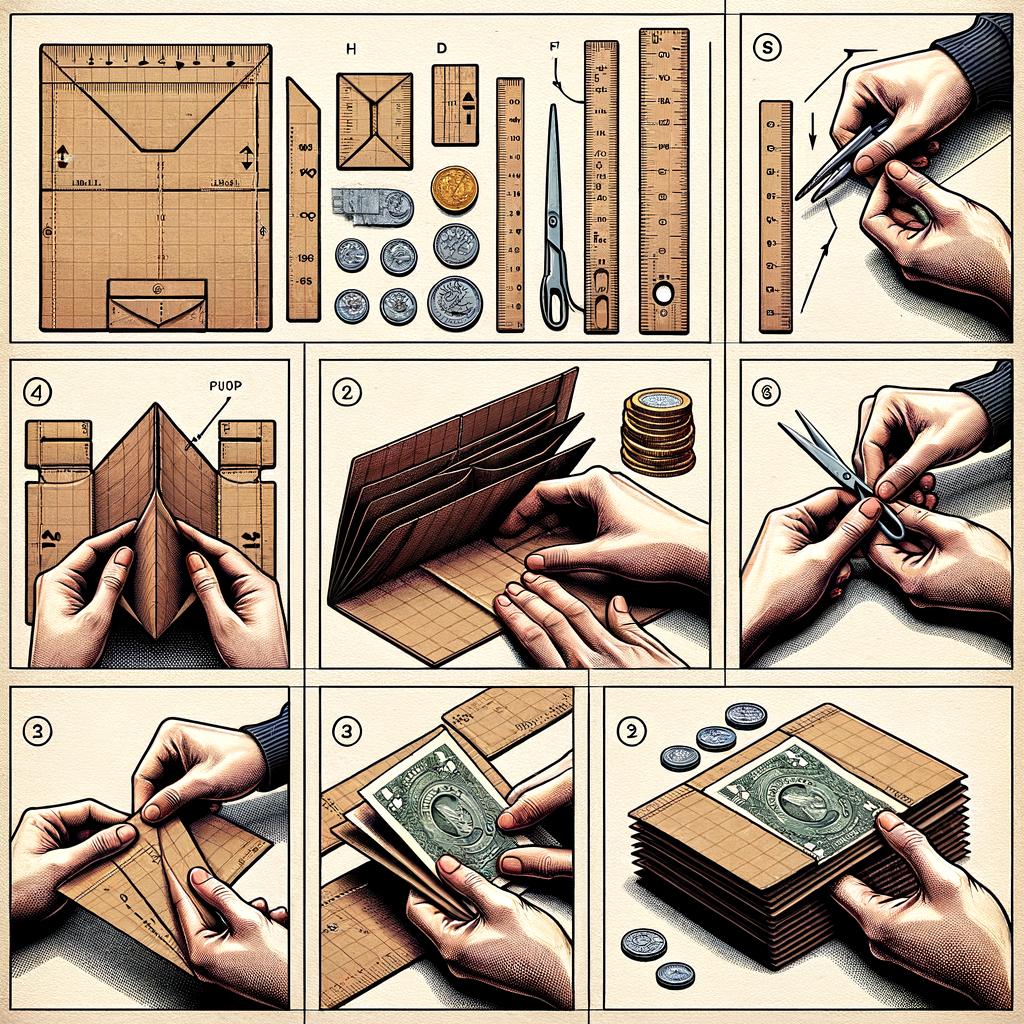
Step-by-Step Guide: Creating and Using Your Paper Wallet
Creating a paper wallet for your Bitcoin can be an effective way to ensure your assets remain secure. To start, you’ll need to choose a reliable paper wallet generator. Look for tools that are open-source and well-reviewed within the cryptocurrency community. It’s essential to use the generator offline, as this minimizes the risk of exposing your wallet’s private key to online threats. Once the generator is loaded,you can generate a new Bitcoin address along with its corresponding private key,both of which you will print out.
After generating the Bitcoin address and private key, carefully print the wallet.Ensure that your printer is not connected to the internet to prevent any hacking attempts. When the printout is created, verify that the QR codes and alphanumeric keys are clear. To maximize the safety of your paper wallet,consider using special paper (such as waterproof or fireproof paper) for durability. Additionally, you might want to make several copies of your wallet and store them in secure locations, such as a safe deposit box or othre secure storage options.
when using your paper wallet, be extremely cautious. Your private key is the key to your funds, and anyone who gains access to it can control your Bitcoin. If you ever decide to transfer bitcoin from your paper wallet, you can do so by using software or wallets that support importing paper wallets.Make sure you only enter your private key in a secure and trusted setting. Once you’ve completed the transfer, consider moving your funds to a more user-amiable wallet to facilitate easier transactions in the future.
Best Practices: Protecting Your Paper Wallet from Threats
When it comes to securing your paper wallet, the first step is to ensure it is indeed created in a safe environment. Avoid using public Wi-Fi or shared networks when generating your wallet. Rather, opt for a secure, offline device or a dedicated computer that has never been connected to the internet. This reduces the risk of malicious software capturing your private keys during the creation process. Also, always utilize trusted software to create your paper wallet, verifying its integrity beforehand.
Once your paper wallet is generated, the next priority is its physical security. Store your paper wallet in a safe location, such as a waterproof and fireproof safe that only you have access to. Consider making multiple copies and storing them in different secure locations to safeguard against potential disasters, which could range from theft to natural calamities. When handling your paper wallet, avoid exposing it to needless risks, such as writing down or sharing your private keys digitally, which could leave it vulnerable to hacks.
it’s essential to regularly review your security measures. Make a habit of checking your storage methods and ensuring that your paper wallet remains in good condition. If your wallet shows signs of wear or damage, consider creating a new one and transferring your funds. Additionally, stay informed about potential threats to your assets, such as phishing scams or social engineering tactics, and be prepared to adapt your security practices as needed. By taking these proactive steps, you can significantly enhance the safety of your paper wallet against various threats.
as the landscape of cryptocurrency continues to evolve, so too must our approaches to securing these valuable digital assets. Paper wallets emerge as a practical solution for those seeking a high level of security, provided they are created and stored properly. By understanding the creation process, the importance of safeguarding your wallet, and the potential risks involved, you can confidently utilize this method as part of your overall crypto management strategy. As with any financial tool, vigilance and awareness remain paramount.Embrace the knowledge gained here to ensure your investments are securely tucked away, allowing you peace of mind in your crypto journey.