
Understanding the Concept of Satoshis and Their Total Supply
The concept of Satoshis serves as the fundamental unit of Bitcoin, named after its elusive creator, Satoshi Nakamoto. Every individual Bitcoin can be subdivided into 100 million Satoshis, establishing a total supply of 21 million Bitcoins. Thus, the overall supply of Satoshis amounts to an notable 2.1 quadrillion (2,100,000,000,000,000) units. This finite nature underlines Bitcoin’s potential as a deflationary asset, raising crucial questions about its long-term sustainability and value. The structure of Satoshis allows for microtransactions, making Bitcoin accessible for everyday use, unlike traditional currencies that might present barriers due to larger denominations.
Understanding the implications of a finite supply is critical for both investors and users. Wiht Bitcoin’s total capped at 21 million coins, the availability of Satoshis is inherently limited, which leads to discussions about scarcity. In contrast to fiat currencies that can be printed indefinitely,Bitcoin’s fixed supply is predicated on the principles of supply and demand. This creates a unique economic model where increased adoption could substantially elevate the value of both Bitcoins and Satoshis as they become rarer.As the mining rewards decrease over time, the transaction fees will likely play a larger role in incentivizing miners, further intertwining the concepts of value and usability.
The design of Bitcoin’s supply model also shapes market dynamics and investor psychology. As more individuals recognize the value of Bitcoin in a world where traditional currency can be compromised through inflation, the demand for this digital asset will only increase. Consequently, the finite supply of Satoshis solidifies Bitcoin’s role as ‘digital gold,’ a hedge against economic uncertainty, and a store of value. The limiting factor of 2.1 quadrillion Satoshis not only emphasizes its scarcity but also invites a broader conversation about digital currencies and their implications for the global financial system.
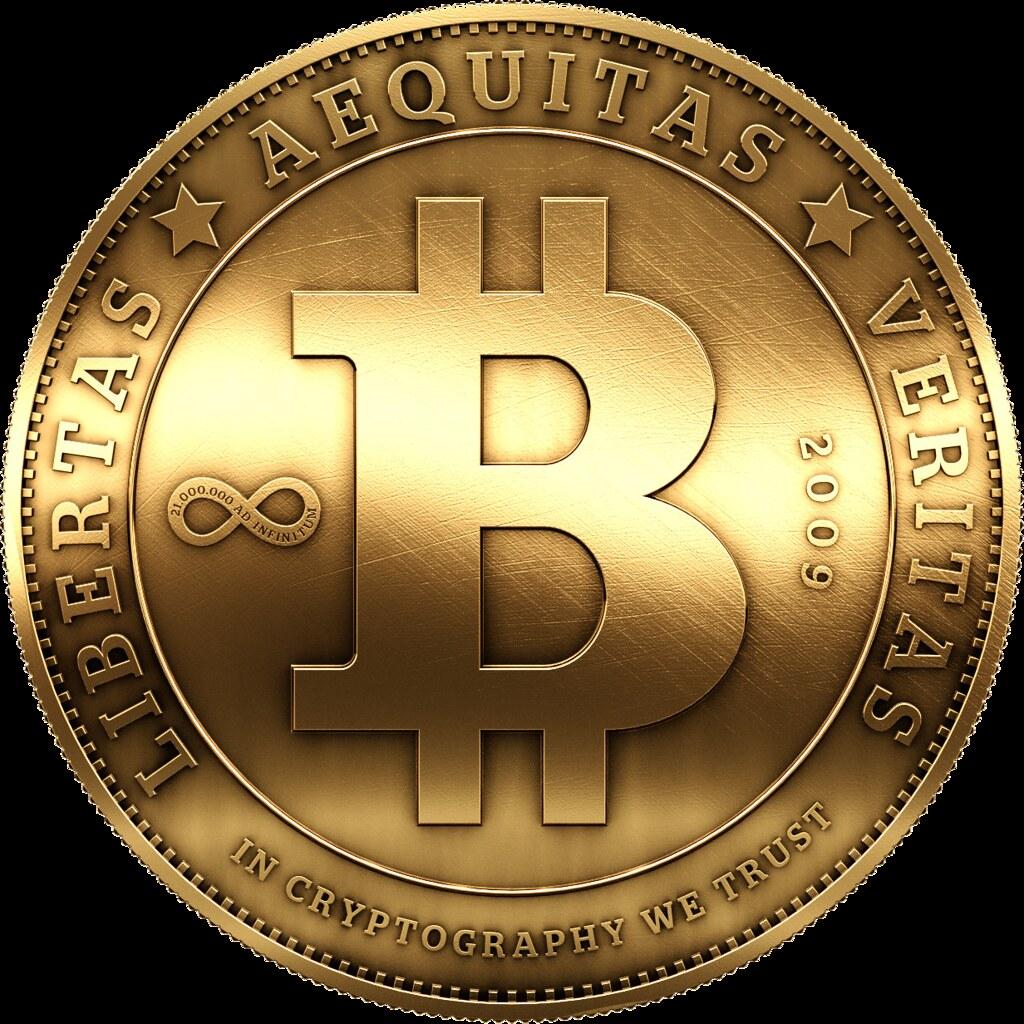
The Implications of a Finite Bitcoin Supply on the Global Economy
The limited supply of Bitcoin, capped at 21 million coins, translates to approximately 2.1 quadrillion satoshis, creating a unique economic environment characterized by scarcity. This finite supply challenges traditional monetary systems, where central banks have the ability to print money without limits. In an era where inflation rates are a concern, the deflationary nature of Bitcoin could serve as a hedge for investors seeking stability. as demand for Bitcoin continues to rise amid growing mainstream adoption, its limited availability may lead to significant price volatility, ultimately shaping investment strategies globally.
moreover, the implications of a capped Bitcoin supply extend beyond mere investment dynamics; they reflect on the broader economic landscape. With a finite asset, Bitcoin introduces the potential for a new standard of value that contrasts sharply with fiat currencies.This could foster a shift in how wealth is accumulated and distributed, prompting individuals and institutions to reconsider their financial strategies. The allure of a non-inflationary asset could reshape perceptions of savings,lending,and spending,potentially increasing the urgency for governments and financial institutions to rethink their roles in a rapidly evolving financial environment.
the shift toward a Bitcoin standard may also herald an era of increased financial inclusivity. By eliminating barriers associated with traditional banking systems, the decentralized nature of Bitcoin allows individuals in underbanked regions access to financial services.As satoshis become a widely accepted unit of trade, the adoption of Bitcoin could catalyze economic growth in developing economies.The ripple affect of this new paradigm could necessitate global regulatory adjustments,compelling nations to reconcile their monetary policies with the realities of a digital,finite currency ecosystem.
Strategies for Investing in Bitcoin Amidst Limited Resources
As the Bitcoin market evolves, navigating investment strategies becomes increasingly critical, especially amidst constrained financial resources.Investors need to tailor their approaches by focusing on education and research. By staying informed about market trends, technological advancements, and regulatory changes, individuals can make informed decisions that align with their investment goals. Utilizing free online courses, webinars, and forums dedicated to cryptocurrency knowledge can significantly enhance one’s understanding of Bitcoin’s underlying mechanics and market dynamics.
Another effective strategy for those with limited resources is to adopt a gradual investment approach. Rather than committing a considerable amount of capital all at once, potential investors can consider dollar-cost averaging (DCA). This method involves buying Bitcoin at regular intervals with a fixed amount of money, irrespective of its price fluctuations. By averaging out the purchase price, investors can mitigate the impact of volatility and potentially capture better entry points over time, making it a more manageable way to build a Bitcoin position without risking significant financial strain.
leveraging community resources can further enhance an investor’s strategy. Participating in local meetups, online forums, and social media groups focused on cryptocurrency can provide valuable insights and foster connections with like-minded individuals. Thes communities frequently enough share strategies, tips, and even opportunities for collaborative investments. Additionally, pooling resources for group purchases or exploring decentralized finance (DeFi) options can enable investors to capitalize on the finite nature of Satoshis while expanding their investment horizons in a collective and resource-efficient manner.
Future Trends: How the Scarcity of Satoshis Could Influence Blockchain Innovations
The finite nature of Satoshis, with a total supply capped at 2.1 quadrillion, sets the stage for significant shifts in both the cryptocurrency landscape and broader blockchain technology. This scarcity could catalyze innovative approaches to transaction processing and data verification, compelling developers to maximize the utility of the limited supply.With wallet adoption rising, the intrinsic value of Satoshis may drive demand for more efficient protocols, as users seek to minimize transaction costs and improve speed without sacrificing security.
Moreover, the impending limitations on availability may encourage the proliferation of new financial products and services aimed at facilitating liquidity in a scarce environment. As awareness of Satoshi scarcity grows, we could see the emergence of services that allow users to “fractionate” their holdings in creative ways.This could include the use of smart contracts to manage microtransactions or the establishment of decentralized exchanges that effectively pool resources, thus enabling greater access to Satoshi holdings while addressing issues related to volatility and price manipulation.
As the market collectively shifts its focus toward Satoshis as a scarce asset, we may also witness the rise of enhanced identity and security solutions built on the blockchain. The need for trust and verification becomes even more crucial in a landscape where each Satoshi represents a fragment of an increasingly valuable resource. Innovations such as decentralized identity protocols and multi-signature wallets may emerge as standard practices, fostering a new paradigm of security that aligns with the demand for transparency, accountability, and user autonomy in managing finite digital assets.
the exploration of Bitcoin’s total supply, meticulously capped at 2.1 quadrillion satoshis, underscores both the revolutionary potential and inherent limitations of digital currencies.As we dissect the implications of this finite figure,it becomes clear that scarcity plays a pivotal role in shaping the future of Bitcoin as a store of value and medium of exchange. The finite nature of satoshis not only prompts fundamental questions about economic theory and user behavior but also evokes broader discussions about wealth distribution and the evolving digital economy. As stakeholders from investors to policymakers navigate this uncharted territory,understanding the implications of this finite supply will be paramount in determining the trajectory of Bitcoin and the broader cryptocurrency landscape. The journey ahead is fraught with challenges and opportunities, inviting a collective reevaluation of what value means in our increasingly digital world. as we forge ahead, the question remains: how will we adapt to and leverage the finite nature of this groundbreaking asset?