

In a recent survey, Russians are found to be skeptical of the digital ruble, with almost one third of them calling it “some kind of fraud.” The digital ruble is the proposed Central Bank of Russia’s cryptocurrency, yet with relatively low levels of optimism from the public and a lack of transparency from its developers, many Russians are questioning its potential launch. This article explores this further.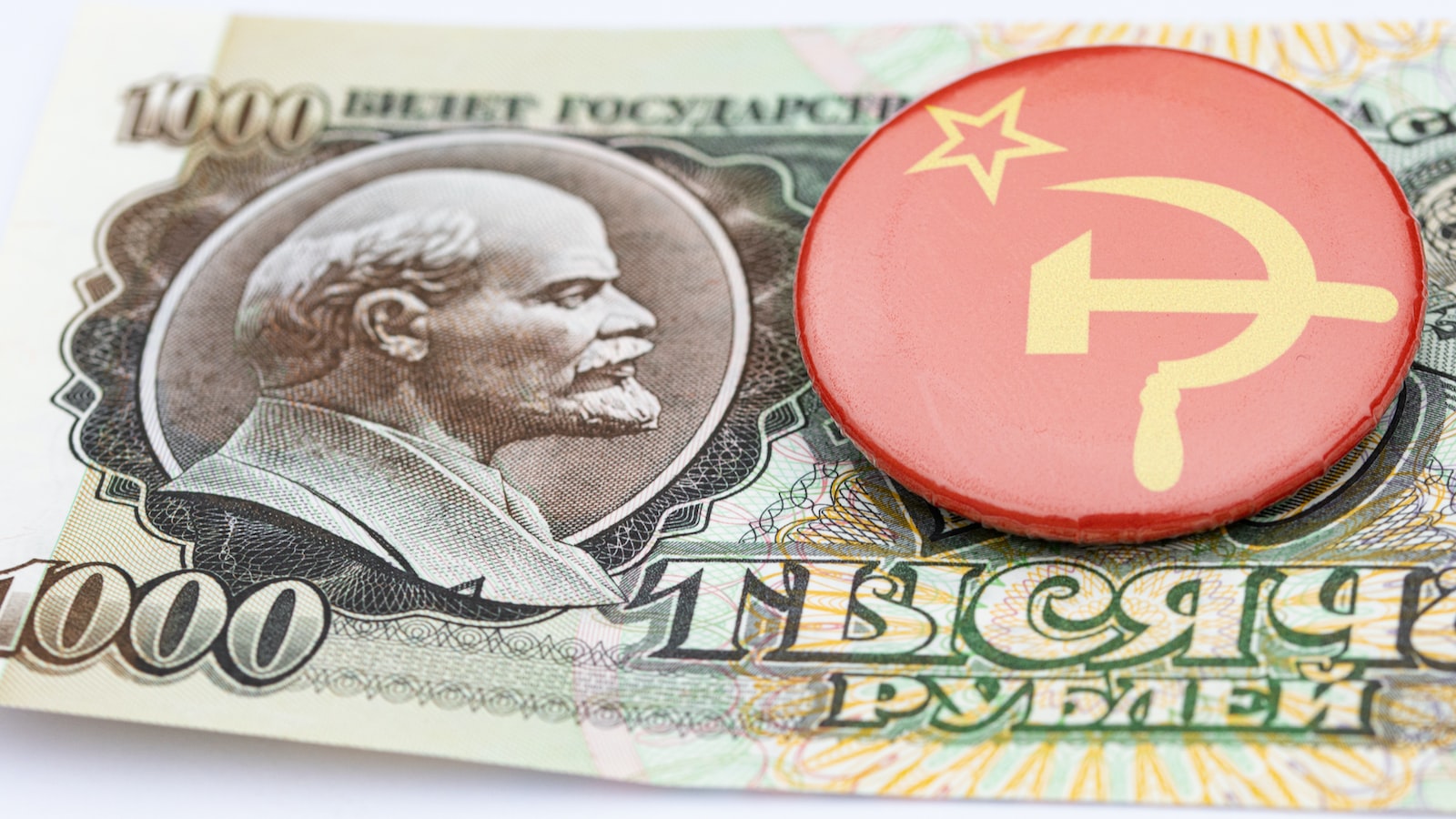
1. Survey Finds Widespread Skepticism of Russia’s Digital Ruble
Research conducted by the London-based Centre for E-Commerce has revealed strong levels of skepticism toward Russia’s recently announced digital currency project. According to the survey, three out of four respondents had an unfavorable view of the initiative. In addition, nearly half of them voiced concerns that the digital ruble could prove to be a risky endeavor.
The survey was carried out in Russia, Kazakhstan and Belarus – three countries where the digital ruble is expected to be adopted. It involved more than 1500 participants, with a nearly even split between consumers and businesses. Questionnaires were published in both Russian and English.
The vast majority of respondents expressed doubts about how easy it would be to use the digital ruble. Most lacked trust in Russia’s central bank, which will act as the “issuer” of the digital currency. The survey also found that, 32% were worried the digital ruble would make it easier for criminals to conduct money laundering.
Key findings include:
- 75% of respondents had an unfavorable opinion of the digital ruble.
- 32% voiced concerns that it would make it easier for criminals to carry out money laundering.
- 48% doubted its security.
- 47% worried that the digital currency could be volatile.
The survey results, though representative of a narrow sample group, suggest that there is substantial public unease toward the digital ruble and its associated financial infrastructure. It remains to be seen whether these concerns will be addressed as the ruble’s launch approaches.
2. Digital Currency Seen as Unsafe and Not Legitimate
Digital currency is seen by many as unsafe and not a legitimate form of currency. While not considered to be a legal tender, digital currencies, such as Bitcoin, can still be used for buying and selling goods. This uncertainty has triggered many questions about its safety and security.
One major concern surrounding digital currency involves the decentralized nature of the international financial institutions that handle its transactions. This means that there is no one central authority that oversees transactions, meaning that the legitimacy of these transactions is more difficult to verify.
Recent events have added to these doubts, including a series of hacks that led to the theft of large amounts of digital currency from exchanges. This has led some to question the security of these platforms, and whether or not they can be trusted for safe storage of funds.
Another issue that has been raised is the lack of regulations surrounding the exchange of digital currency. Without proper regulation, it is difficult to ensure the legitimacy of transactions and to protect users from fraud. Also, since the value of digital currency is not tied to any one currency, its value can fluctuate rapidly.
- Digital currency has a decentralized nature which makes the legitimacy of transactions is more difficult to verify.
- Recent events have raised doubts about the security of digital currency exchanges.
- Lack of regulations in the digital currency market can lead to fraud and volatile value.
3. Understanding Russian Attitudes Towards the Digital Ruble
Russia’s Central Bank has been discussing a possible digital ruble since 2019, with plans of a possible launch as soon as 2021. The digital currency would accompany existing cash and non-cash rubles and provide citizens with a digital payment option. But why is this being done, and what are the Russian people’s attitudes towards its implementation?
The Advantages of a Digital Ruble
- It would improve speed and convenience of payment transactions.
- It would allow better control over inflation by the Central Bank.
- It would help citizens make payments to international vendors.
These advantages – particularly the lessened threat of inflation – are seen as beneficial by much of the population. Additionally, its digital nature and the capabilities of the underlying technology such as blockchain means that the data can be efficiently processed and secured, something that citizens value and trust.
Concerns Over the Digital Ruble
- Questions about the long-term effects of a digital currency.
- Concerns about the security of digital payments.
- The need to provide citizens with sufficient digital literacy.
Even with the possible advantages, attitudes towards the digital ruble are more divided. Many question the long-term effects of transitioning from a primarily cash-based system to one that could be substantially digitized. People also worry about the safety and security of digital payments, particularly in light of the potential for cybercrime. Finally, some citizens do not have the necessary digital literacy to easily navigate a digital payment system.
4. How the Digital Ruble Could Help Russia Combat Inflation
The Russian government is exploring the implementation of the digital ruble, and it could be a useful tool to help curtail inflation. By converting its unmanageable physical currency into a centralised digital currency, Russia could effectively control the money supply.
Reduced Demand For The Physical Ruble: Converting to the digital ruble could reduce the demand for the physical ruble. This could eventually lead to deflation, as people who are increasingly receiving money electronically through payrolls, savings accounts and government aid, would no longer need to carry large amounts of physical cash.
Strict Money Supply Control: With a digital currency, the government would have more control over the money supply. Transactions could be tracked which would make it harder for corrupt officials to embezzle money and hide their activities. Transactions could be monitored for illegal activities such as drug and arms trafficking, too.
Inflation-fighting Policy: The government could use the digital currency’s built-in regulations to fight inflation by creating monetary policies that would limit the amount and flow of money within the economy. It could also be used to raise or lower the cost of certain goods and services, which could help to stabilise prices.
- A centralised digital currency could help the government control the money supply.
- The conversion from the physical ruble could lessen the overall demand for cash.
- Tracking and monitoring of transactions could help combat corrupt activities.
- The centralised currency could also be used for inflation-fighting policies.
The survey’s results are a striking testament to Russians’ skepticism towards the digital ruble. With the introduction of this new currency, the Kremlin has a daunting task ahead of convincing two-thirds of their people of the benefits and dependability of the digital ruble. Until then, the digital ruble will remain a digital mystery for the majority of Russians.