

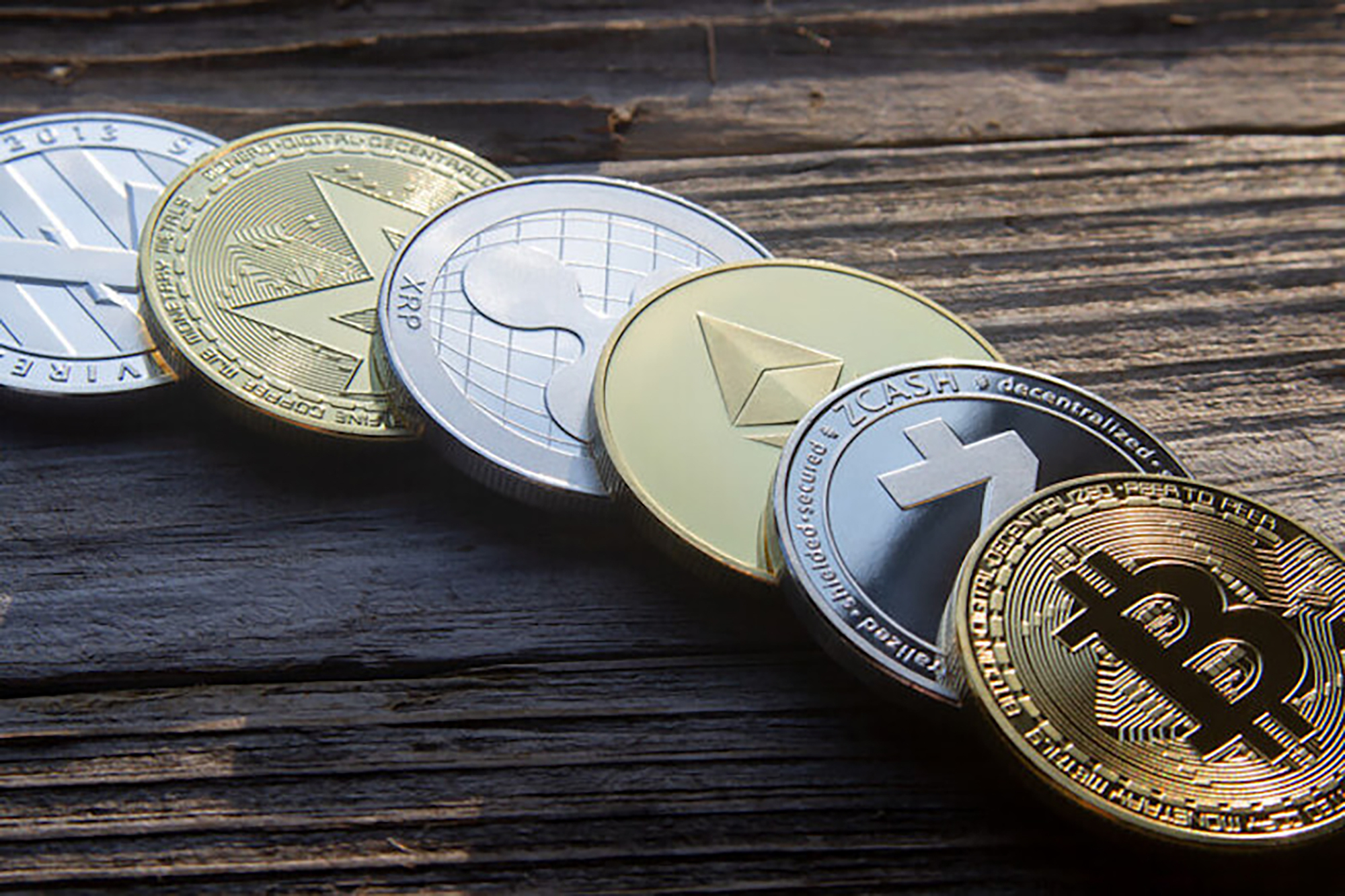
 Crypto adoption is growing steadily, and the evidence is clear. In the past few years, the number of people using cryptocurrencies has grown exponentially. According to a recent survey, more than 40 million people worldwide now own some form of cryptocurrency. This is a significant increase from the estimated 5 million people who owned cryptocurrency in 2013.
The growth of crypto adoption is being driven by a number of factors. One of the most important is the increasing acceptance of cryptocurrencies by mainstream businesses. Major companies such as Microsoft, Amazon, and Expedia now accept Bitcoin as payment. This has made it easier for people to use cryptocurrencies in their everyday lives.
Another factor driving crypto adoption is the increasing number of countries that are embracing blockchain technology. Countries such as Japan, South Korea, and the United States have all taken steps to regulate and promote the use of cryptocurrencies. This has made it easier for people to buy, sell, and use cryptocurrencies.
The increasing number of people using cryptocurrencies is also being driven by the increasing number of applications that are being built on top of blockchain technology. These applications are making it easier for people to use cryptocurrencies in their everyday lives. For example, there are now applications that allow people to pay for goods and services with cryptocurrencies.
Finally, the increasing number of people investing in cryptocurrencies is also driving crypto adoption. As more people invest in cryptocurrencies, the value of these assets increases, making them more attractive to potential investors.
Overall, the evidence is clear that crypto adoption is growing steadily. With more businesses accepting cryptocurrencies, more countries embracing blockchain technology, and more applications being built on top of blockchain technology, the future of crypto adoption looks bright.
’s entering the space, the industry is becoming increasingly regulated, providing investors with greater security and confidence.
- Institutional investment in cryptocurrencies is increasing at a rapid pace.
- Large players such as Fidelity, Goldman Sachs, and BlackRock are entering the space.
- The influx of institutional money is having a profound impact on the cryptocurrency market.
- The widespread adoption of cryptocurrencies is being catalyzed by the increasing prevalence of institutional players in the space.
DAN: The digital assets boom of 2020 was seemingly unstoppable, pushing the total market capitalization of the cryptocurrency industry to an all-time high of $1.2 trillion. Now, as the market slowly stabilizes and investors look ahead to 2021, one pressing question comes to the fore: is widespread adoption of cryptocurrency finally coming into fruition? In this article, we take a look at 4 signs that crypto adoption is in good shape. The total market capitalization of the cryptocurrency market amounted to over $754 billion, an all-time high. This shows that more and more people are actively investing in digital assets. At the same time, institutional investors have also started getting involved in crypto markets as evidenced by the launch of several institutional trading platforms like Bakkt and ErisX. This is an indication of the increasing legitimacy of crypto assets, which is likely to create opportunities for other institutional investors to come onboard. A second indicator of growing adoption is the increasing number of countries embracing cryptocurrencies. Countries such as Singapore, Canada, and Switzerland have taken a proactive approach to regulating crypto assets and this has led to greater levels of confidence among the investor community. Moreover, the increasing number of businesses accepting cryptocurrency as a payment method has also helped to boost its adoption. Finally, the emergence of decentralized finance (DeFi) is yet another indicator of growing crypto adoption. DeFi is a form of financial service powered by blockchain technology and smart contracts to provide users with access to a wide range of financial products. This has created opportunities for users to access financial services without traditional institutions, thus providing them with increased control over their finances.em to be more steps taken towards legitimization, though, and this is likely to continue in the future.