

 In recent years, the cryptocurrency Bitcoin has become increasingly popular, with many people investing in it as a form of digital currency. As a result, many businesses have begun to accept Bitcoin as a form of payment. This has led to the question of whether stores can now accept Bitcoin as a form of payment.
The answer is yes, stores can now accept Bitcoin as a form of payment. This is because Bitcoin is a decentralized digital currency, meaning it is not regulated by any government or financial institution. This makes it easier for businesses to accept Bitcoin as a form of payment, as there are no regulations or fees associated with it.
In addition, accepting Bitcoin as a form of payment can be beneficial for businesses. For example, it can help to reduce transaction fees, as there are no fees associated with Bitcoin transactions. It can also help to increase customer loyalty, as customers may be more likely to shop at stores that accept Bitcoin.
However, there are some risks associated with accepting Bitcoin as a form of payment. For example, the value of Bitcoin can be volatile, meaning that businesses may not be able to predict how much they will receive in payment. Additionally, there is a risk of fraud, as Bitcoin transactions are not reversible.
Overall, stores can now accept Bitcoin as a form of payment. While there are some risks associated with it, the benefits can outweigh these risks for businesses. As a result, more and more stores are beginning to accept Bitcoin as a form of payment.
The past few years have seen a huge surge of virtual currency activity, and with this rise, the question of whether or not stores can now accept virtual currency as payment has become increasingly important. With the continued growth of virtual currencies, both on an international scale and through national adoption of similar currencies, the idea of utilizing Bitcoin, the most popular digital currency, is no longer a fantasy. With this new opportunity comes numerous implications for businesses, financial institutions, and individuals. This article will examine the factors businesses must consider when deciding whether or not they should accept Bitcoin.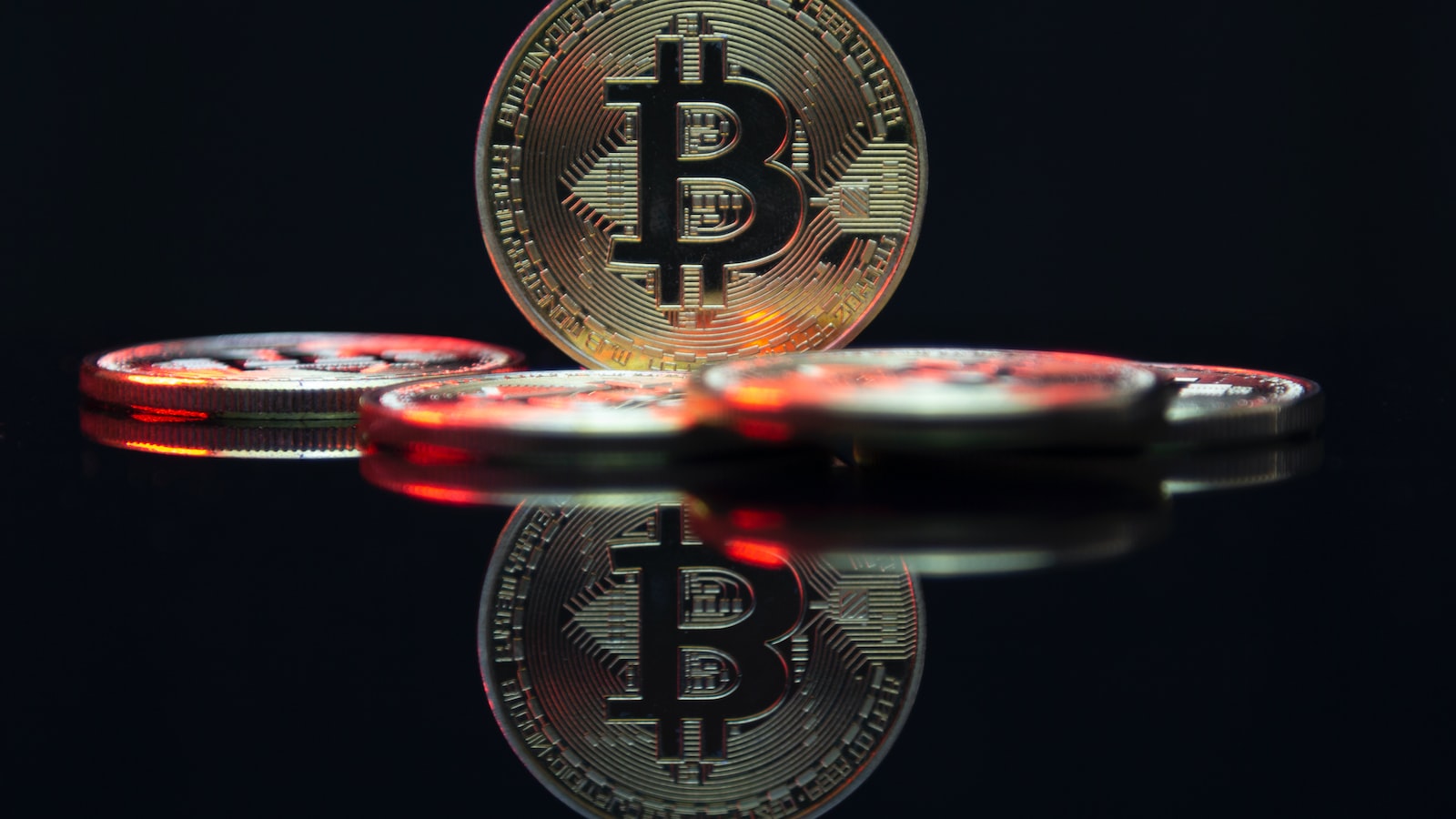
1. How Bitcoin Payments Can Benefit Retail Stores
Bitcoin payments are becoming increasingly popular with retail stores, leading many businesses to strive to provide these payments to their customers. There are a number of reasons why retail stores should start accepting Bitcoin payments.
Faster Transactions
- Bitcoin payments allow instantaneous transactions, which enables retailers to get their funds faster.
- The speed of these transactions also helps cut back on processing fees, as there is not a need to wait for funds to be transferred from one bank account to another.
More Clientele
- By accepting Bitcoin payments, retail stores open themselves up to a whole new group of customers, as many people own or use Bitcoin.
- This in turn can lead to an increase in sales and a larger customer base.
Security
- Bitcoin is seen as a secure form of payment because it is decentralized and nearly impossible to trace.
- This can prove beneficial for retailers, as it reduces the risk of fraud and enhances security.

2. The Complexities of Bitcoin Payments for Retailers
Bitcoin payments offer retailers a new and exciting way to make transactions. However, the complexities of using this cryptocurrency for retail purchases can make it difficult for even the most experienced merchants to navigate.
For starters, one of the main challenges retailers face when considering bitcoin payments is the fact that this currency cannot be directly stored in a merchant’s wallet. Instead, merchants must create a digital wallet, which can be an intimidating process for those who are unfamiliar with how cryptocurrencies work. Additionally, this digital wallet can be vulnerable to hackers and other malicious actors, leaving merchants at risk of having their Bitcoin stolen.
Another challenge retailers face when it comes to accepting Bitcoin payments is the volatility of the currency. The value of Bitcoin can fluctuate dramatically in a short amount of time, making it difficult for retailers to properly estimate their earnings. Additionally, merchants need to be aware of potential fraud when it comes to receiving payments in this form and should take steps to ensure that all payments are legitimate.
- Creating a digital wallet: Merchants must create a digital wallet to receive Bitcoin payments.
- Vulnerability to hackers: Merchants should be wary of the potential hacker threat that comes with digital wallets.
- Volatility of the currency: Bitcoin’s value can fluctuate dramatically, making it difficult to accurately estimate earnings.
- Potential fraud: Merchants must remain vigilant to spot any potential fraudulent payments.
3. What Retailers Need to Consider Before Making the Move to Bitcoin Payments
Retailers considering adopting Bitcoin payments must evaluate both the costs and opportunities associated with this new type of payment system. Before making the move, consider these three factors:
- Tax Implications: Although Bitcoin payments are exempt from value-added tax (VAT) in several countries, retailers must still provide partners and customers with tax information related to Bitcoin payments. Retailers should check with their local tax authority to see if they must report Bitcoin payments, and if so, how.
- Fluctuating Value: Since Bitcoin value is unstable, retailers should carefully consider how to best price goods in Bitcoin. Retailers must decide how to absorb Bitcoin price fluctuations through their pricing or absorb any losses that may occur when accepting payments with volatile digital currencies.
- Transaction Security: As with any payment method, transactions must be secure and fraud-proof. Before using Bitcoin payments, retailers must ensure they have adequate security protocols in place to prevent data breaches and unauthorized use of customer funds.
Retailers must take into account the unique opportunities and risks that come with accepting Bitcoin payments. While the digital currency offers potential advantages to retailers, careful consideration must be given to the challenges that may arise during the implementation and use of Bitcoin payments.
As the cryptocurrency continues to become more widely accepted, it is likely that stores will begin taking Bitcoin more and more. However, as of right now, it is still far from being a commonplace alternative for consumers.
It is possible that Bitcoin could become a more widely accepted form of payment in the future, but given its volatility, it is unclear how exactly that might shape up. Nevertheless, it is definitely an interesting time to be part of the cryptocurrency revolution!