

In a shifting global landscape, the BRICS nations—Brazil, Russia, India, China, and South Africa—have emerged as formidable players challenging the traditional hegemony of the US and EU. As these nations assert their sovereignty and advocate for equal cooperation, the balance of power in international relations undergoes a profound transformation. Join us as we delve into how the BRICS alliance is reshaping the geopolitical narrative and paving the way for a new era of collaboration and influence on the world stage.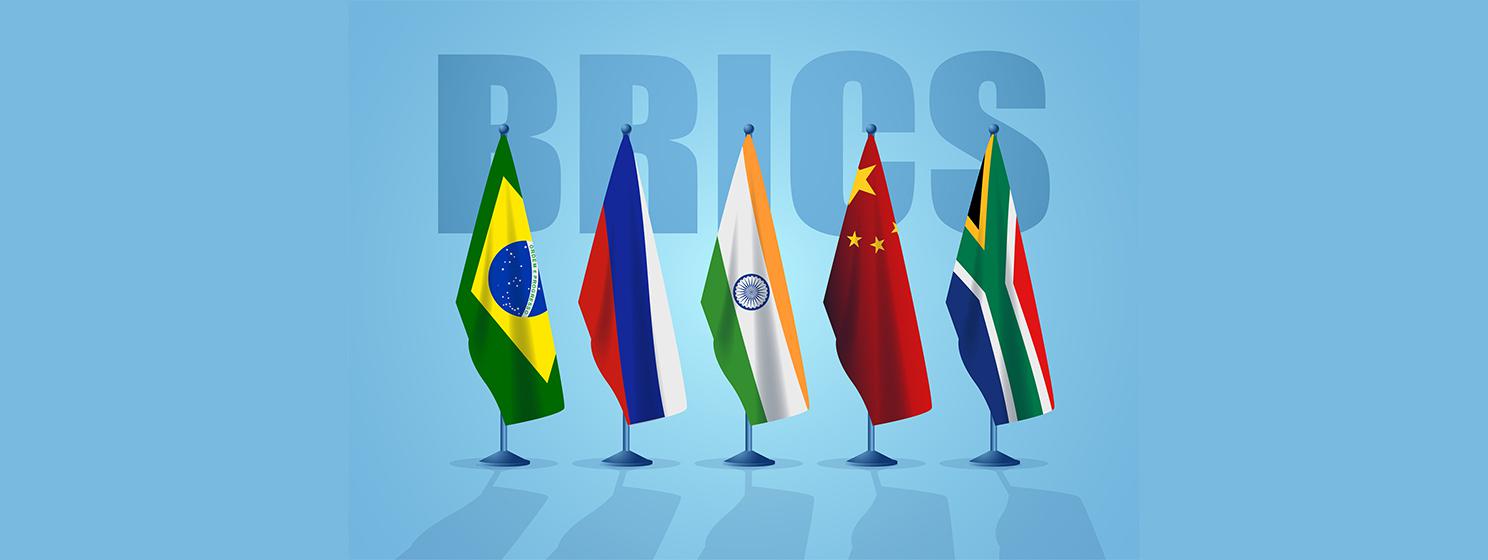
BRICS Economies Diversify Away from US Dollar and Euro
The BRICS economies, comprising Brazil, Russia, India, China, and South Africa, are strategically diversifying their currency reserves away from the US Dollar and Euro. This shift reflects a concerted effort to reduce dependency on traditional Western currencies and enhance financial stability in the face of global economic uncertainties.
Key Points:
- Currency Diversification: BRICS nations are actively exploring alternative currencies and investment options to mitigate risks associated with overreliance on the US Dollar and Euro.
- Bilateral Trade Agreements: Increasingly, these economies are engaging in bilateral trade agreements using local currencies, promoting trade resilience and reducing exposure to currency fluctuations.
- Financial Sovereignty: By diversifying their reserves, BRICS economies aim to bolster their financial sovereignty and insulate themselves from external economic pressures.
As these emerging economies continue to assert their influence on the global financial landscape, their strategic moves towards currency diversification signal a shift towards greater financial independence and resilience in an ever-changing economic environment.
A New Era: BRICS Nations Challenge US and EU Dominance
In a significant shift of global dynamics, the BRICS nations – Brazil, Russia, India, China, and South Africa – are poised to challenge the traditional dominance of the United States and the European Union. This emerging alliance represents a formidable economic force, reshaping the geopolitical landscape and signaling a new era of power redistribution.
Key Developments:
- Economic Cooperation: BRICS nations have been enhancing economic ties through bilateral agreements and initiatives like the New Development Bank, aimed at reducing reliance on Western financial institutions.
- Political Influence: The collective influence of BRICS on international affairs is growing, with coordinated stances on issues like climate change, cybersecurity, and trade policies.
- Military Collaboration: Discussions on security cooperation among BRICS members indicate a potential reconfiguration of global military alliances, challenging traditional power structures.
As the BRICS group strengthens its unity and diversifies its partnerships, the dynamics of global governance are undergoing a significant transformation. With a shared commitment to multipolarity and a focus on mutual development, these nations are poised to exert a more substantial influence on the global stage, presenting a formidable challenge to the established hegemony of the US and the EU.
Sovereignty and Cooperation: BRICS Reshaping Global Currency Landscape
In a world marked by economic shifts and geopolitical complexities, the BRICS nations are asserting their influence on the global currency landscape. The collective efforts of Brazil, Russia, India, China, and South Africa have sparked discussions on reshaping the international monetary system. Through strategic collaborations and policy initiatives, these emerging economies aim to challenge the dominance of traditional reserve currencies.
One of the key focal points of the BRICS alliance is the promotion of financial sovereignty among its member states. By advocating for a more diversified and inclusive financial architecture, the group seeks to reduce dependence on a few major currencies. This initiative aligns with their vision of fostering economic independence and stability within the bloc, paving the way for enhanced resilience against external economic shocks.
Moreover, the BRICS nations are actively exploring avenues for cooperation in trade and investment to strengthen their economic ties. By facilitating currency swaps, promoting trade in local currencies, and enhancing financial integration, these countries are fostering a closer economic relationship. This collaborative approach not only bolsters intra-BRICS trade but also contributes to the broader goal of rebalancing the global financial system for more equitable outcomes.
Shift in Power: BRICS Nations Lead the Way in Currency Independence
In recent years, the BRICS nations, comprising Brazil, Russia, India, China, and South Africa, have been taking significant strides towards currency independence. This shift in power signifies a move towards reducing reliance on traditional global currencies and establishing more diversified financial systems. The collective efforts of these emerging economies are reshaping the landscape of international trade and finance.
One key aspect of this currency independence movement is the establishment of bilateral agreements for trade settlements in local currencies among BRICS nations. By conducting transactions in their own currencies, these countries aim to decrease exposure to fluctuations in major global currencies and enhance financial stability. This strategic decision underscores the growing confidence in the strength and stability of their respective currencies.
Furthermore, the BRICS nations are actively exploring the possibility of creating a shared financial infrastructure to facilitate smoother cross-border transactions. This initiative aims to streamline financial processes, reduce transaction costs, and promote economic cooperation among member countries. By bolstering financial connectivity within the bloc, BRICS nations are paving the way for greater financial autonomy and resilience in the face of global economic uncertainties.
As the BRICS nations continue to solidify their presence on the global stage, the erosion of US and EU hegemony becomes increasingly evident. The pursuit of sovereignty and equal cooperation among these nations marks a significant shift in the geopolitical landscape. With a focus on mutual respect and shared prosperity, the BRICS alliance is redefining the traditional power dynamics, paving the way for a more inclusive and balanced international community. Stay tuned for more updates on this evolving narrative as we witness the emergence of a new era in global relations.