

As tensions between Russia and Ukraine have resurged in recent months, the role of Bitcoin in the conflict may take center stage in Washington, DC this week. Ahead of a meeting between US and Ukraine officials, lawmakers and experts will be discussing the potential for digital currencies like Bitcoin being used by pro-Russian forces to fund their operations. The implications of such findings could have a major impact both on how the US deals with the region and the future of Bitcoin and other digital currencies.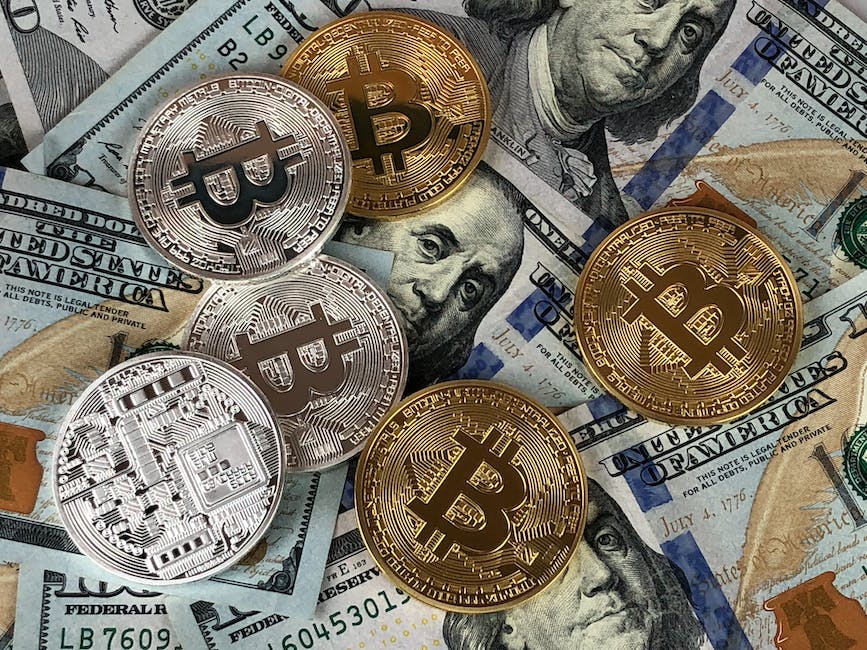
1. Bitcoin’s Impact on Russia-Ukraine Conflict
The rise of cryptocurrencies, especially Bitcoin, has had an undeniable impact on the current Russia-Ukraine conflict. Here are a few examples of Bitcoin’s involvement:
- Minimization of Impact from Ukrainian Central Bank Restrictions – With Russia imposing retaliatory sanctions on Ukraine, the Ukrainian central bank’s decision to block various currencies managed to hurt the economy substantially. However, the introduction of Bitcoin meant that Ukrainians could pay for goods and services immediately, with no fees and no waiting period.
- US Sanctions – As mentioned, US Sanctions on Russia has caused a dramatic shift in the economic landscape. With Bitcoin, companies and individuals from both nations have found an alternate route to facilitate transfers and investments.
- Peer-to-Peer Exchange Lending Platforms – Companies like LocalBitcoins allow for peer-to-peer exchange of Bitcoin using locally established rates, meaning that any user can access the platform to buy or sell bitcoins regardless of their nationality or country of residence. This encourages international transactions outside the sanctions and restriction placed by several governments.
As cryptocurrencies become more widely recognized, it is clear that they are becoming a powerful tool for individuals and institutions affected by the current Russia-Ukraine conflict. With decentralized coins like Bitcoin, people have access to unrestricted, trusted, and secure financial instruments, minimizing the impact of sanctions and restrictions. Deeply rooted in the conflict, Bitcoin is changing the way the two powers live, use, and interact with money.
2. Role of Cryptocurrency Examined in the Nation’s Capital
Cryptocurrency seems to be on everyone’s mind lately as enthusiasm for digital money is growing. This financial innovation is being met with excitement in some circles and skepticism in others. But the debate over cryptocurrency doesn’t just exist in theory. In the United States, policymakers have taken a keen interest in its potential applications.
The topic of cryptocurrency was recently discussed in great detail in the nation’s capital. At a forum hosted by Crypto Capitol DC, representatives from various government agencies, politicians, and industry experts gathered to discuss the role cryptocurrency is likely to play in the US economy.
The discussion focused on three main areas:
- Regulation: Participants discussed a range of possible regulatory actions, including taxation, anti-money laundering initiatives, and consumer protections.
- Adoption: The participants discussed how and why cryptocurrency could be adopted by different sectors of the economy.
- Innovation: The panel talked about how this technology could be used to drive further innovation and unlock new business models.
At the end of the forum, it was clear that while there is still much to be determined, there is a growing interest among policymakers to understand the potential of cryptocurrency and to provide a regulatory framework that can nurture its development.
3. D.C. Talks Set to Evaluate Bitcoin’s Beneficial Uses
A gathering of experts from the banking, technology, and media sectors is set to convene in Washington D.C. to evaluate Bitcoin’s beneficial uses, and what they might mean for the future of payment systems around the world.
The panel discussion will consider questions such as what role Bitcoin can have in enabling peer-to-peer payments, and how it may be used to streamline traditional government-controlled transactions. Participants will seek to identify the benefits of utilizing Bitcoin compared to traditional payment systems, as well as the regulatory pitfalls that have emerged in its wake.
The event will feature leaders who have made their mark in the Bitcoin space, such as:
- Timothy Cook, Founder of the Coinbase Exchange
- Jonah Nelson, Co-founder of Lightning Payments
- Kara Smith, Co-founder of Bitpay Plus
- Mikkel Hansen, Co-founder of Airbitz
The participants will discuss Bitcoin’s impact on traditional finance, and examine the wider implications of the decentralized currency. They will debate both its opportunities and limitations, and assess the safety and security of the underlying blockchain technology.
4. Political Leaders Investigate How Bitcoin Can Help Resolve Conflict in Eastern Europe
Bitcoin has the potential to be a game-changer in the resolution of conflicts in Eastern Europe, and political leaders are taking note. Leaders from countries such as Ukraine, Georgia, and Belarus are gathering to explore how the use of the cryptocurrency can help to resolve volatile international disputes.
One of the biggest ways Bitcoin could be used is to provide relief to those living in unrecognized and ungoverned territories. The funds for basic needs, such as food, medicine, and other essential items, can be stored and securely transferred to the people of these unrecognized areas, where scarce or non-existent banking systems are often the norm.
In addition, the increased privacy and lack of government intervention provided by Bitcoin can give citizens in regions with harsh political debates and disagreements access to financial services that were previously unavailable. This makes establishing trade, conducting financial transactions, and giving aid and donations easier than ever before.
- Bitcoin could provide relief to those living in unrecognized and ungoverned territories
- Increased privacy and lack of government intervention
- Establishing trade and conducting financial transactions easier than ever before
The cryptocurrency debate surrounding the ongoing Russia-Ukraine conflict looks set to take center stage in Washington, with investors, policymakers and cryptocurrency experts set to convene in an attempt to find a way forward. Whatever the outcome, one thing is for certain – the future of global finance may be resting in the hands of Bitcoin.