

The rise of Bitcoin to its all-time high of $69,000 has been attributed to a surge in activity by Bitcoin miners, who have been securing the network and processing transactions at an unprecedented rate. This increase in mining activity has led to a reduction in the supply of Bitcoin on the market, which has in turn driven up the price.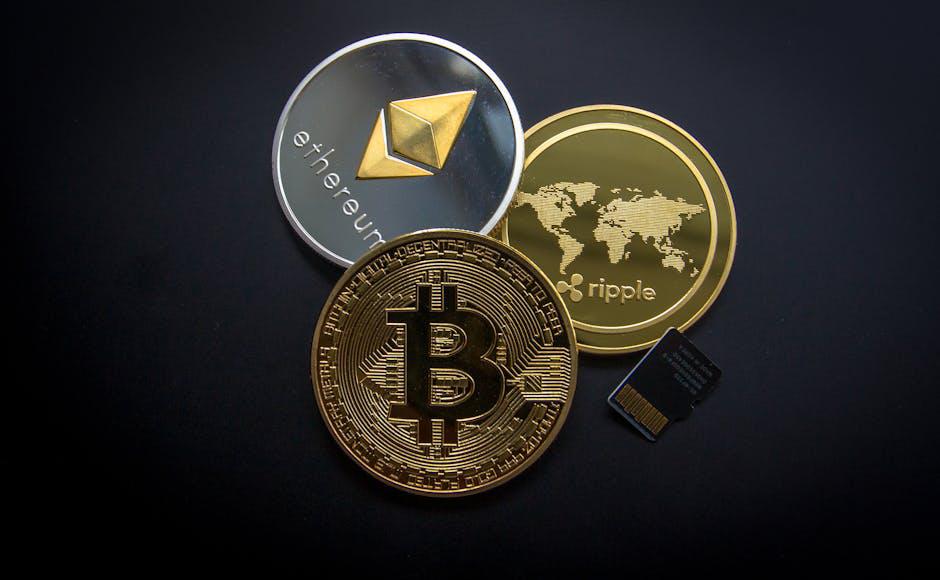
1. Bitcoin’s Rise to $69,000: The Contributing Role of Miners
The unparalleled computation power of bitcoin miners has been an unsung driving force behind its ascent to record highs. Their dedicated hardware, known as ASICs (application-specific integrated circuits), serves as the backbone of the blockchain network, processing vast amounts of data to validate transactions and create new blocks.
As the number of active miners has surged, so too has the collective hashing power of the network. This increased computational effort has dramatically improved transaction confirmation times and enhanced the overall security of the bitcoin network. The heightened competition among miners has also led to an increase in the block reward, further incentivizing miners to invest in more powerful equipment.
- Dedicated Hardware: The introduction of specialized mining hardware (ASICs) revolutionized mining, enabling miners to perform the complex calculations necessary for blockchain validation and block creation.
- Increased Hashing Power: The cumulative hashing power of the bitcoin network has skyrocketed as more miners join the network, improving transaction confirmation times and network security.
- Competitive Landscape: The competitive nature of mining drives miners to upgrade their equipment to maintain profitability, leading to a continuous increase in the overall computational power of the network.
2. Miners’ Impact on Blockchain Security and Transaction Processing
**Miners’ Impact on Blockchain Security**
Miners play a crucial role in securing blockchain networks. They verify and validate transactions, preventing fraudulent or malicious activity. By solving complex mathematical equations, miners create a decentralized consensus mechanism that ensures the integrity and immutability of the blockchain. The more miners involved in the network, the more secure it becomes, as any attempt to manipulate the blockchain would require the collusion of a vast majority of participants.
Miners’ Role in Transaction Processing
Miners are also responsible for processing transactions on the blockchain. They group individual transactions into blocks and add them to the chain. This process ensures that all transactions are recorded permanently and can be traced back to their origins. Miners receive rewards for their efforts in the form of transaction fees and block rewards, incentivizing them to participate in the network and maintain its stability.
Blockchain Scalability Challenges
The increasing popularity and adoption of blockchain technology have led to scalability challenges. As the number of transactions on the network grows, it becomes more difficult for miners to process them efficiently. This can result in transaction delays, higher fees, and network congestion. To address these scalability issues, various solutions are being explored, such as sharding and off-chain transactions, which aim to improve transaction throughput without compromising security.
3. Factors Influencing Miner Dynamics and their Implications for Bitcoin’s Value
Factors Influencing Miner Dynamics
The dynamics of Bitcoin miners, who verify transactions and secure the network, significantly impact Bitcoin’s value. One critical factor is the number of miners, influencing the network’s decentralization and security. An increase in miners enhances security but can also lead to increased competition and lower individual mining rewards.
The computational power of miners, expressed in hash rate, plays a crucial role. A higher hash rate makes it harder for malicious actors to compromise the network but also increases the difficulty and cost of mining. This can lead to consolidation within the mining industry, with more powerful miners gaining an advantage over smaller ones.
Energy consumption is another significant factor affecting miner dynamics. Bitcoin mining is an energy-intensive process, and fluctuations in energy prices can impact miners’ profitability. Cheap energy sources can attract miners, leading to increased competition and lower mining costs. Conversely, expensive energy can drive out less efficient miners, reducing the network’s overall security and decentralization.
In closing, the unprecedented surge in Bitcoin’s value to its all-time high of $69,000 is a remarkable testament to the unwavering efforts and contributions of Bitcoin miners. Their tireless work in securing the network and facilitating transactions has provided a solid foundation upon which this digital asset could thrive. As the Bitcoin ecosystem continues to evolve and attract mainstream attention, we can expect the role of miners to remain paramount in shaping its future trajectory.