

Bitcoin’s Revolutionary Impact on Global Finance
In recent years, Bitcoin has emerged as a formidable force, revolutionizing the world of finance. This decentralized digital currency has challenged traditional banking systems, ignited discussions about the future of money, and left an undeniable impact on global markets.
As we delve into this article, we will explore the transformative effects of Bitcoin on the financial landscape. We will unravel its underlying principles, examine its impact on traditional financial institutions, and discuss the potential economic implications it holds for the future. By analyzing expert perspectives, real-world examples, and the latest market trends, we aim to shed light on the groundbreaking role Bitcoin has played and continues to play in shaping global finance.
1. The Rise of Bitcoin: A Paradigm Shift in Digital Finance
The advent of Bitcoin in 2009 heralded a revolutionary transformation in the realm of digital finance. Unlike traditional fiat currencies controlled by centralized authorities, Bitcoin operates on a decentralized blockchain network, introducing unprecedented transparency and immutability to financial transactions. This has shattered the barriers of trust in digital payments, paving the way for a new era of decentralized, peer-to-peer financial interactions.
Moreover, Bitcoin’s decentralized nature empowers users with unprecedented control over their assets. Unlike bank accounts, which can be frozen or seized by authorities, Bitcoin wallets provide users with sole ownership of their funds. This financial autonomy empowers individuals and challenges the traditional power dynamics in the financial system. Bitcoin’s deflationary supply cap, with a maximum of 21 million coins ever to be mined, further enhances its value proposition by creating scarcity and fostering confidence in its long-term value.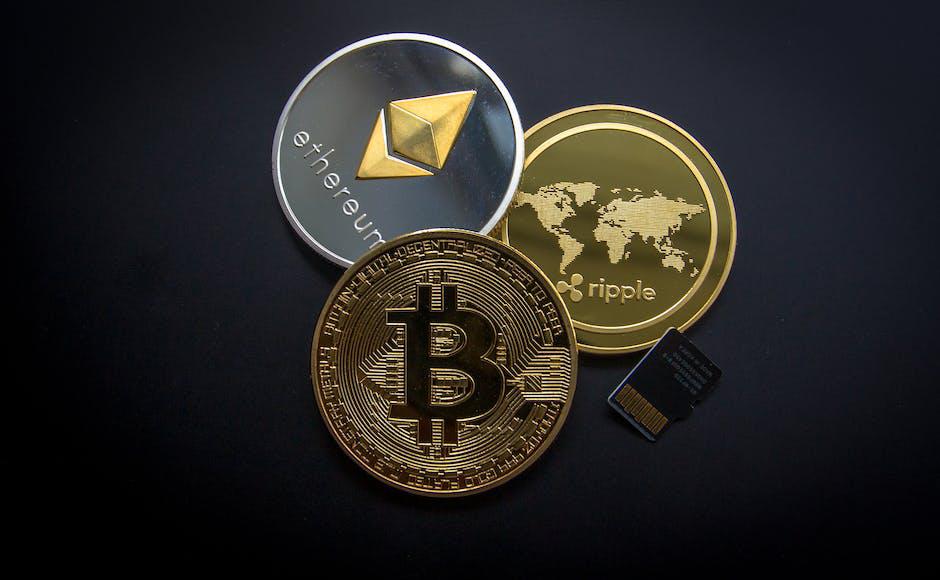
2. Bitcoin’s Disruptive Impact on Traditional Financial Systems
Bitcoin’s emergence has challenged the traditional financial landscape in numerous ways. Firstly, it has undermined the dominance of centralized institutions. Unlike traditional fiat currencies controlled by central banks, Bitcoin operates on a decentralized blockchain, eliminating the need for intermediaries and reducing the influence of financial institutions over money creation and distribution. Secondly, Bitcoin has introduced a new asset class with unique characteristics. Its scarcity, volatility, and global accessibility have attracted investors and traders, creating a vibrant and dynamic market that has the potential to disrupt traditional investment portfolios.
In conclusion, Bitcoin has ushered in an era of unprecedented financial innovation, disrupting traditional banking systems and empowering individuals with greater financial autonomy. Its revolutionary impact will continue to shape the future of global finance, inspiring new economic models, investment strategies, and global collaborations. As the world navigates the evolving landscape of digital currencies, Bitcoin’s legacy as a pioneer in the digital financial revolution remains firmly etched in the annals of history. The future of money and finance may be uncertain, but the impact of Bitcoin will undoubtedly continue to resonate and transform the financial landscape for generations to come.