

 Bitcoin is back in the spotlight, with the cryptocurrency’s price reaching a new all-time high in 2021. But is Bitcoin dead or alive?
The answer is both. Bitcoin has been declared dead more than 300 times since its inception in 2009, yet it continues to survive and thrive. The cryptocurrency has seen its fair share of ups and downs, but it has consistently remained one of the most popular digital currencies in the world.
The recent surge in Bitcoin’s price has been attributed to a number of factors, including increased institutional interest, a weakening US dollar, and a growing demand for digital assets. Institutional investors have been pouring money into Bitcoin, as they see it as a hedge against inflation and a safe haven asset.
At the same time, Bitcoin has also been gaining traction among retail investors, who are attracted to its potential for high returns. The cryptocurrency has also been gaining acceptance among merchants, with more and more businesses now accepting Bitcoin as a form of payment.
Despite its recent surge in popularity, Bitcoin is still a volatile asset and its future is uncertain. The cryptocurrency is still subject to wild price swings, and its long-term viability is still in question.
Ultimately, whether Bitcoin is dead or alive depends on the individual investor. For those who are willing to take the risk, Bitcoin could be a lucrative investment. But for those who are more risk-averse, it may be best to stay away.
Once again, the cryptocurrency world has started to speculate on the future of Bitcoin. After another volatile period of price decline, many are asking if Bitcoin is dead once more. This article looks at the current situation, considering the factors that have led to recent drops in value and considering whether Bitcoin is truly in danger.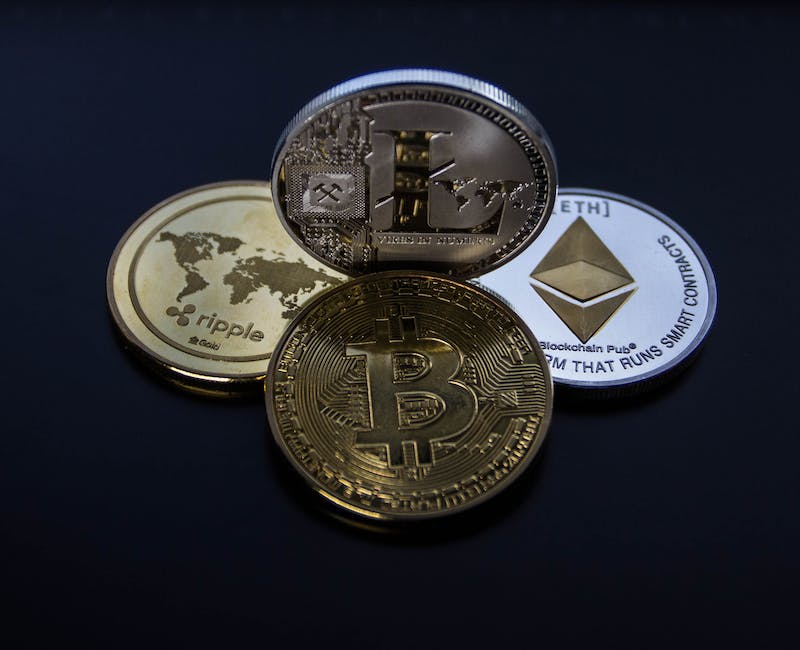
1. Bitcoin’s Recent Struggles
Bitcoin’s value has taken a worrying slide in recent weeks. In February of 2021 alone, it fell by almost 20%, making it one of the worst-performing months of the year for the cryptocurrency. Investors are understandably concerned about the lack of stability in the market when it comes to their investments.
The reasons for Bitcoin’s current struggles are varied. Recent decisions by US financial regulators to toughen up on cryptocurrency transactions are particularly damaging, leading experts to debate just how much this is affecting the economy. The unstable geopolitical climate has also caused disruption, with traders less willing to take risks due to the increased level of uncertainty.
- US Financial Regulators – tightening rules for cryptocurrency transactions
- Unstable Geopolitical Climate – traders less likely to take risks
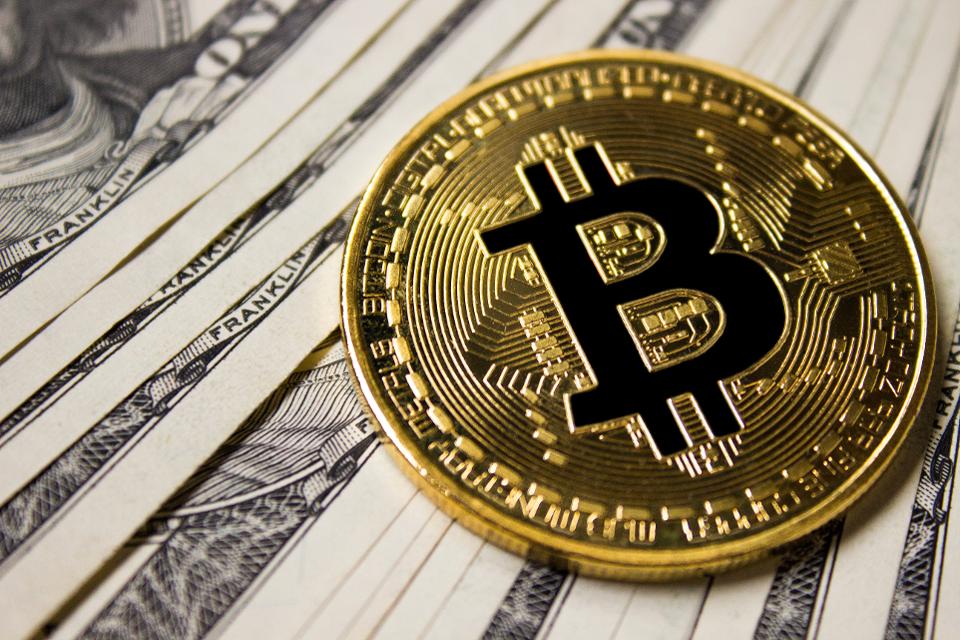
2. Is Bitcoin on the Verge of Extinction?
Bitcoin has been faced with a rocky road in the past decade, particularly in 2020. Despite its popularity and potential to revolutionize the global financial system, the digital currency is faced with a severe challenge to remain afloat.
The increasing dominance of the bitcoin market by a handful of miners, the scalability issue of the blockchain technology and the increasing regulations levied by governments could spell the beginning of the end for the world’s most recognizable digital asset. Many analysts and experts suggest that bitcoin is living on borrowed time, as the cryptocurrency’s fate hangs in the balance.
- Miners Dominance: The increasing market dominance of only a few miners is a cause of concern. These miners are now controlling the majority of the bitcoin market and are having an outsize impact on the future performance of the digital asset.
- Scalability Issues: The scalability issues in the underlying technology of Bitcoin are a major issue. This issue forces users to pay higher transaction fees and results in a slower confirmation time.
- Regulations: Governments have recently introduced tighter regulations on bitcoin trading, which has led to stricter KYC/AML requirements and higher compliance costs. These stringent regulations are a major barrier to the growth of bitcoin.
3. Potential Reversal of Bitcoin’s Downward Trend
Investors Eagerly Await End of Bitcoin Slump
With Bitcoin prices continuing to plunge, investors are watching the markets closely for signs of a potential reversal in the currency’s downward trend. As of May 5, Bitcoin had lost approximately 20% of its value since the start of 2021, and several major cryptocurrency exchanges have reported significant losses.
Nevertheless, many in the cryptocurrency sector remain optimistic that the cryptocurrency’s fortunes will improve in the near future. Technical analysts and Bitcoin traders are monitoring recent market trends, closely observing any potential changes in the currency’s trading patterns. Some analysts suggest that a new bull run could start if the Bitcoin price stabilizes and begins to gain value once again.
-
Key Takeaways:
- Investors are keenly anticipating an end to Bitcoin’s current slump.
- As of May 5, 2021, Bitcoin had dropped more than 20% since the start of the year.
- Analysts suggest that a new bull run could start if Bitcoin’s price stabilizes and rises again.
4. Where Bitcoin’s Future Lies
Bitcoin’s future lies in its flexibility and adaptability in relation to the changing needs of its users. Bitcoin has been evolving since it was created in 2008 and is now in a position to revolutionize digital transactions globally.
Bitcoin is borderless, meaning users from any country around the world are able to send and receive payments for goods and services domestically or internationally. The lack of intermediaries increases efficiency and decreases costs, and its decentralized nature also removes the need for regulatory approval. These features provide Bitcoin with numerous benefits over traditional banking systems that require intermediaries, have approval backlogs, and charging high fees.
- Faster transactions: Transactions are processed in a few minutes, instead of days or weeks like traditional payment providers.
- Lower fees: Bitcoin’s fees are much lower than traditional payment solutions which include a variety of tariffs.
- Greater security and privacy: Bitcoin uses cryptography to secure transactions and it is also pseudonymous, offering the user privacy.
The scalability of Bitcoin has improved over the years and is anticipated to improve even further with the implementation of certain technologies such as lightning network and Schnorr Signature Aggregation. This will make Bitcoin even more efficient and convenient for its users to use.
Ultimately, Bitcoin continues to prove itself to be a secure and convenient payment method for consumers and merchants worldwide. With the increasing adoption of this form of digital currency, and its continued improvement since its inception, Bitcoin is set to remain an important part of the digital payments landscape for some time to come.
It’s impossible to deny that the future of Bitcoin is uncertain. Nonetheless, the passion of its believers is sure to remain undimmed, and it will be interesting to behold where the technology and its supporters take us in the months ahead.