

Bitcoin saw a meteoric rise over the past decade, becoming one of the most profitable investments ever made. But the cryptocurrency’s future has been uncertain of late, with speculators wondering whether the bottom may be in the process of falling out of Bitcoin Market. Is the “demise of Bitcoin” imminent once again? In this article, we consider the implications of Bitcoin’s ongoing volatility and offer some insights into the future of the world’s most popular cryptocurrency.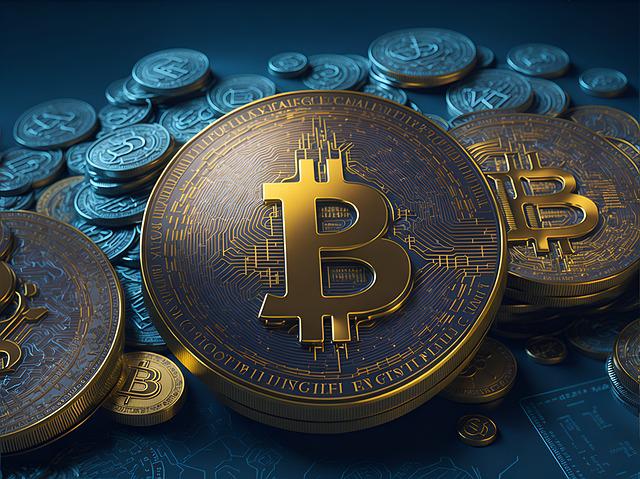
1. A Renewed Spotlight on Bitcoin’s Viability
In recent weeks, Bitcoin has seen a resurgence in the public spotlight, with its price climbing back to near its all-time high. Not only is the cryptocurrency at its peak in value, but also in terms of its increasing relevance in the financial markets. The recent developments have further re-ignited the debate on Bitcoin’s viability as a secure, reliable, and viable medium of exchange.
Bitcoin has come a long way since its anonymous origins a decade ago. Initially, the cryptocurrency was associated with criminal activities due to its anonymous nature – which also made it more attractive for speculative investments. However, in recent times, the focus has shifted to concentrating on its underlying advantages. The decentralized nature of the Bitcoin blockchain, its lack of replicability, and its resistance to manipulation, have made it increasingly attractive to investors and institutions alike. Further, Bitcoin is faster to send and receive, and has global reach.
- Viability: Bitcoin has emerged as a viable, secure, and reliable medium of exchange.
- Investor and Institution Interest: Bitcoin has witnessed increased interest from investors and institutions.
- Underlying Advantages: Bitcoin’s decentralized nature, lack of replicability, and resistance to manipulation are discounting for increased interest.

2. Examining the Causes of Bitcoin’s Volatility
With Bitcoin being the most recognized and valuable cryptocurrency, it is essential to understand why it is so volatile. The fluctuating prices of Bitcoin can be examined through a variety of factors:
- Supply and demand imbalance.
- Hacking attacks.
- Large market swings.
- Fear of missing out.
Fluctuations in Bitcoin prices are mostly caused by the imbalance between supply and demand. When demand increases faster than supply, prices go up. However, when supply increases faster than demand, prices go down. The same can be said regarding the current demand for the cryptocurrency, as it has increased significantly in recent years.
Hacking attacks also contribute to the volatility of Bitcoin. If a hacker is able to break into a major exchange or wallet, it can cause a lot of panic in the market, which in turn causes prices to drop. Similarly, large market swings can also cause rapid changes in the price of Bitcoin. If the market sees a major correction in one direction or the other, the price of Bitcoin is likely to move significantly.
Finally, the fear of missing out can cause a sudden spike in Bitcoin prices. As more people become aware of the potential profit they can make by investing in Bitcoin, they can be motivated to buy in a hurry without researching or considering the risks. This can lead to large fluctuations and make Bitcoin even more volatile.
3. Analyzing Bitcoin’s Prospects for the Future
Since its inception, the cryptocurrency industry has been steadily gaining momentum in the global financial markets. Although there have been ups and downs, Bitcoin remains the most important digital asset worldwide. Analyzing where Bitcoin’s prospects are headed for the future can help investors make informed decisions.
Potential benefits of Bitcoin in the future:
- Potential to eventually become a mainstream currency
- High degree of liquidity
- Viewed as an attractive store of value
- Seen as a hedge against inflation
Analysts also point to the advantages of Bitcoin’s rapidly growing international presence. In addition to being an emerging asset class, it is also becoming increasingly popular in more countries. This is further bolstered by the fact that the cryptocurrency industry is on track to become strongly regulated in many countries. This could potentially unlock greater access to investment opportunities in the future.
4. What Can Be Done to Secure Bitcoin’s Long Term Survival?
Adoption
The most logical way to ensure Bitcoin’s long-term survival is to encourage broad adoption of the cryptocurrency—and with it, the building and using of its services and tools. With more people using it, businesses and governments might recognize its value as a legitimate asset and currency, encouraging even more use. To achieve this, savvy entrepreneurs must design and develop attractive use cases, products, and services, leveraging the technology’s features to provide significant value to users.
Education
Educating people on Bitcoin is another critical step. For starters, they need to better understand the concept of digital money and its implications. Additionally, it’s important for users to learn how to interact with and manage various types of wallets, as well as become familiar with government regulation around digital currency. By making it easier for people to learn and understand Bitcoin, adoption and confidence will likely increase.
Ultimately, the success of Bitcoin lies in the hands of those who use it. As more people embrace it, its long-term survival and security will continue to grow.
The debate surrounding Bitcoin’s future is likely to rage on. With other currencies emerging and new players getting involved, Bitcoin’s position as one of the major players in digital currency is uncertain. Despite the prognostications of some commentators, however, only time will tell if Bitcoin is on its way out or here to stay.