

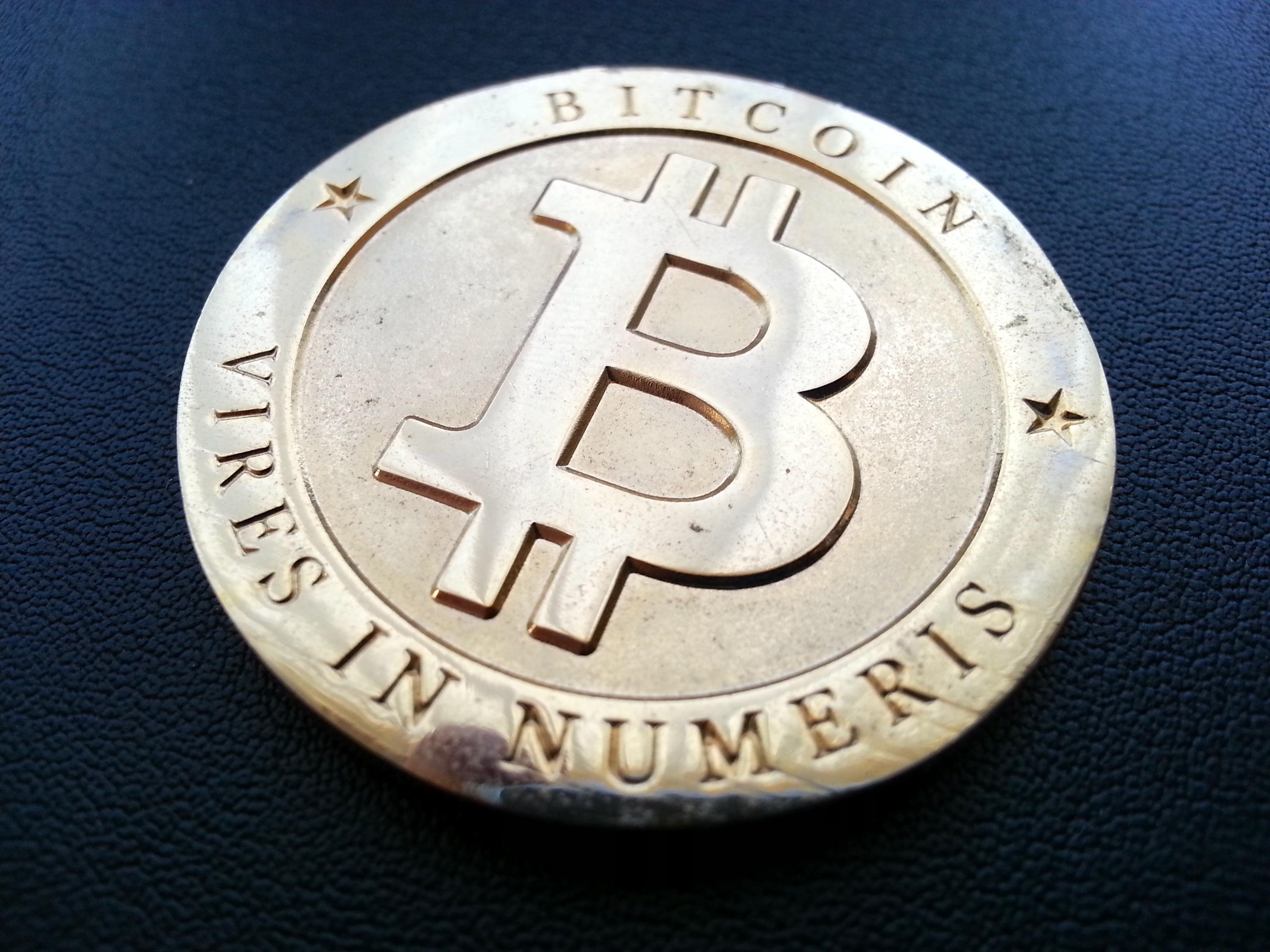
– How does the finite supply of Bitcoin impact its value and volatility?
**When Will the Final Bitcoin Be Mined?**
Bitcoin, the world’s first and most popular cryptocurrency, has a finite supply of 21 million coins. This means that there will only ever be 21 million Bitcoins in existence. As of today, over 19 million Bitcoins have been mined, leaving just over 2 million left to be mined.
The Bitcoin mining process is designed to become increasingly difficult over time. This is because the Bitcoin network uses a proof-of-work consensus mechanism, which requires miners to solve complex mathematical problems in order to add new blocks to the blockchain. As more and more Bitcoins are mined, the difficulty of these problems increases, making it more difficult and time-consuming to mine new coins.
As a result of the increasing difficulty of mining, it is estimated that the final Bitcoin will not be mined until the year 2140. This is based on the assumption that the Bitcoin network continues to grow at its current rate and that the difficulty of mining continues to increase as expected.
Of course, it is possible that the final Bitcoin could be mined sooner or later than 2140. If the Bitcoin network grows faster than expected, or if the difficulty of mining decreases, then the final Bitcoin could be mined sooner. Conversely, if the Bitcoin network grows slower than expected, or if the difficulty of mining increases more quickly than expected, then the final Bitcoin could be mined later.
Ultimately, the exact date when the final Bitcoin will be mined is unknown. However, based on the current estimates, it is likely that the final Bitcoin will not be mined for at least another century.
Implications of the Finite Supply of Bitcoin
The finite supply of Bitcoin has a number of implications for the cryptocurrency. First, it means that Bitcoin is a deflationary currency. This means that the value of Bitcoin is likely to increase over time, as the supply of new coins decreases.
Second, the finite supply of Bitcoin makes it a scarce asset. This means that Bitcoin is likely to be in high demand, as investors and collectors seek to acquire a limited number of coins.
Third, the finite supply of Bitcoin could lead to a decrease in the volatility of the cryptocurrency. This is because the supply of new coins will be limited, which could reduce the amount of speculation in the market.
Overall, the finite supply of Bitcoin is a positive factor for the cryptocurrency. It makes Bitcoin a deflationary, scarce, and less volatile asset. These factors could make Bitcoin more attractive to investors and collectors in the long run.
Bitcoin’s Finite Supply: A Comprehensive Exploration
1. The Impending End: Bitcoin’s Mining Limit
Bitcoin’s unique characteristic lies in its finite supply, capped at 21 million coins. This limit, embedded in its protocol, is enforced through the halving mechanism, which reduces the mining reward by half every four years.
As a result, the day will come when all bitcoins have been mined, estimated to occur around 2140. This milestone will mark the end of new bitcoin creation, leaving miners to rely solely on transaction fees for income. This shift will have profound implications for the network, potentially leading to higher transaction fees and a more decentralized and secure blockchain.
2. The Countdown to Extinction: When Will the Last Bitcoin Be Mined?
The total number of bitcoins is fixed at 21 million, as per the protocol designed by Satoshi Nakamoto. Currently, 6.25 bitcoins are issued per block, with a new block mined approximately every ten minutes. This issuance rate undergoes a halving event every four years.
The final bitcoin is projected to be mined in 2140. As mining difficulty increases and the issuance rate decreases, the time required to mine each block will lengthen. By the time the last bitcoin is mined, the process will become extremely challenging and energy-intensive, making it economically unviable for most miners.
3. Implications of Bitcoin’s Finite Supply
Bitcoin’s finite supply and impending mining limit have significant implications for its long-term value. As the number of unmined bitcoins dwindles, competition among miners will intensify, potentially leading to increased mining difficulty and energy consumption.
The eventual exhaustion of Bitcoin’s supply will mark a pivotal moment, transitioning it into a purely transactional asset with no additional inflation. This underscores the importance of responsible mining practices to ensure Bitcoin’s sustainability and longevity as a valuable digital currency.
Conclusion
Bitcoin’s finite supply and approaching mining limit are key factors shaping its long-term value proposition. As the number of unmined bitcoins decreases, the competition among miners will intensify, potentially leading to increased mining difficulty and energy consumption. The eventual exhaustion of Bitcoin’s supply will mark a pivotal moment, transitioning it into a purely transactional asset with no additional inflation. This underscores the importance of responsible mining practices to ensure Bitcoin’s sustainability and longevity as a valuable digital currency.