
What to Eat for Breakfast If Trying to Achieve a Calorie Deficit
As the dawn of a new day rises, so does the quest for healthier living, with breakfast often heralded as the most significant meal to kickstart our metabolism. For those striving to maintain a calorie deficit—a crucial strategy for weight loss—the decision of what to eat in the morning can be particularly pivotal. Nutrition experts emphasize that breakfast does not have to be a high-calorie affair; rather, it can be a well-balanced opportunity to fuel the body with essential nutrients while keeping caloric intake in check. With an array of smart choices available, from fiber-rich whole grains to protein-packed options, understanding how to select the right items can set the tone for the day ahead. This article delves into practical and delicious breakfast ideas that align with calorie deficit goals, equipping readers with the knowledge needed to make informed dietary choices as they embark on their weight loss journey.
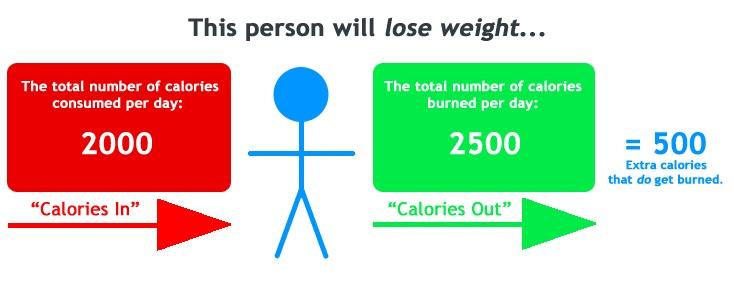
Understanding Caloric Needs for Effective Weight Management
For those aiming to shed pounds, understanding your caloric needs is crucial, particularly when selecting breakfast options. A healthy breakfast should not only be low in calories but also rich in nutrients to fuel your day and stave off hunger. Consider incorporating foods that are high in protein and fiber, as they help maintain satiety. Some effective choices include:
- Eggs: Protein-rich options like scrambled eggs or an egg white omelet.
- Greek Yogurt: A low-calorie option providing protein and probiotics.
- Oatmeal: Whole grain oats topped with berries for a fiber boost.
| Food Item | Calories | Protein (g) | Fiber (g) |
|---|---|---|---|
| Scrambled Eggs (2 large) | 140 | 12 | 0 |
| Greek Yogurt (1 cup) | 100 | 20 | 0 |
| Oatmeal (1 cup) | 154 | 6 | 4 |
Additionally, portion control plays a significant role in managing calorie intake. By balancing carbohydrate sources with healthy fats, one can create a well-rounded breakfast that satisfies without excess calories. Foods such as:
- Berries: Excellent for adding natural sweetness and nutrients.
- Avocado: A small amount can provide healthy fats while enhancing flavour.
- whole Grain Toast: Pair with protein like nut butter for sustained energy.
Ultimately,selecting meal components wisely and keeping track of caloric intake will assist in achieving a successful calorie deficit and enhance overall weight management efforts.

Nutrient-Dense Foods to Start Your Day Right
Choosing the right breakfast can set the tone for your entire day, especially when you’re aiming for a calorie deficit. Nutrient-dense foods not only keep you satisfied longer but also fuel your body with essential vitamins and minerals. Incorporate whole grains, such as oats or quinoa, which provide fiber that aids digestion and helps control hunger. Pair your grains with lean proteins like Greek yogurt or cottage cheese, which can promote satiety without adding excessive calories. Don’t forget to include fruits and vegetables, rich in antioxidants and phytochemicals, to up your nutrient intake and keep your meals vibrant and appealing.
The following table highlights some excellent breakfast options that are both low in calories and high in nutrients:
| food Item | Calories per Serving | Nutritional benefits |
|---|---|---|
| Oatmeal with Berries | 150 | High in fiber, antioxidants |
| Greek Yogurt with Honey | 100 | rich in protein, probiotics |
| Vegetable Omelette | 200 | Low-carb, packed with vitamins |
| Smoothie with Spinach and Banana | 180 | High in potassium, iron |
Opting for these nutrient-dense foods enables you to enjoy a delicious breakfast while remaining aligned with your calorie goals.Look for ingredients that promote sustained energy without excess calories, as this approach not only aids in weight management but also enhances overall well-being. Small adjustments,like using nut butter sparingly or choosing fresh over processed,can significantly impact your nutritional intake and support your journey towards a healthier lifestyle.

Quick and Easy Breakfast Ideas to Support a Calorie Deficit
- Greek yogurt Parfait: Layer low-fat Greek yogurt with mixed berries and a sprinkle of granola for a nutritious, low-calorie start to your day.
- Veggie Omelette: Whisk together a couple of eggs and fill them with sautéed spinach, peppers, and tomatoes. This dish packs protein and fiber while remaining light.
- Overnight Oats: Combine rolled oats with almond milk, chia seeds, and a dash of cinnamon. Let them sit overnight and add sliced bananas or a dollop of nut butter in the morning.
- Smoothie Bowl: Blend spinach, banana, and a scoop of protein powder with water. Pour into a bowl and top with sliced fruits, seeds, and nuts for added texture.
| Breakfast Option | Calories | Protein |
|---|---|---|
| Greek Yogurt Parfait | 250 | 15g |
| Veggie Omelette | 200 | 12g |
| Overnight Oats | 300 | 10g |
| Smoothie Bowl | 280 | 18g |
By incorporating these quick and easy breakfast ideas, individuals aiming for a calorie deficit can enjoy balanced meals that provide essential nutrients without overloading on calories. Each option is designed to be simple to prepare, making it easier to maintain healthy eating habits even on busy mornings.
Incorporating Protein and Fiber for Sustained Energy and Satiety
For those aiming to manage their weight, incorporating both protein and fiber into breakfast can significantly enhance feelings of fullness and provide sustained energy throughout the morning. Foods high in protein, such as Greek yogurt, eggs, or cottage cheese, not only assist in muscle maintenance but also promote satiety. Fiber-rich options like oatmeal, chia seeds, or fruit, offer all the necessary nutrients while being low in calories, ensuring that you feel satisfied without the extra caloric load.
popular combinations that effectively blend these elements include overnight oats topped with berries and nuts or a veggie-packed omelette served with a side of whole grain toast. These meals are powerful choices for anyone looking to maintain a calorie deficit while still enjoying a nutritious start to the day. Consider the following options for a balanced breakfast:
- Egg and Spinach Wrap: High in protein and fiber
- Quinoa Porridge: A unique fiber-packed choice to oatmeal
- Greek Yogurt Parfait: Layered with fruit and whole grains
To Wrap It Up
making informed breakfast choices is a crucial step for those aiming to achieve a calorie deficit. By prioritizing nutrient-dense foods such as whole grains, lean proteins, and plenty of fruits and vegetables, individuals can not only reduce their calorie intake but also sustain their energy levels throughout the morning. As health experts emphasize, a balanced breakfast can set a positive tone for the day, aiding in mindful eating and better food choices during subsequent meals. As consumers seek to adopt healthier lifestyles, understanding the impact of breakfast on overall dietary patterns becomes more crucial than ever. with these strategies in mind,you can take charge of your morning meal choices,paving the way for successful weight management and a healthier future.