
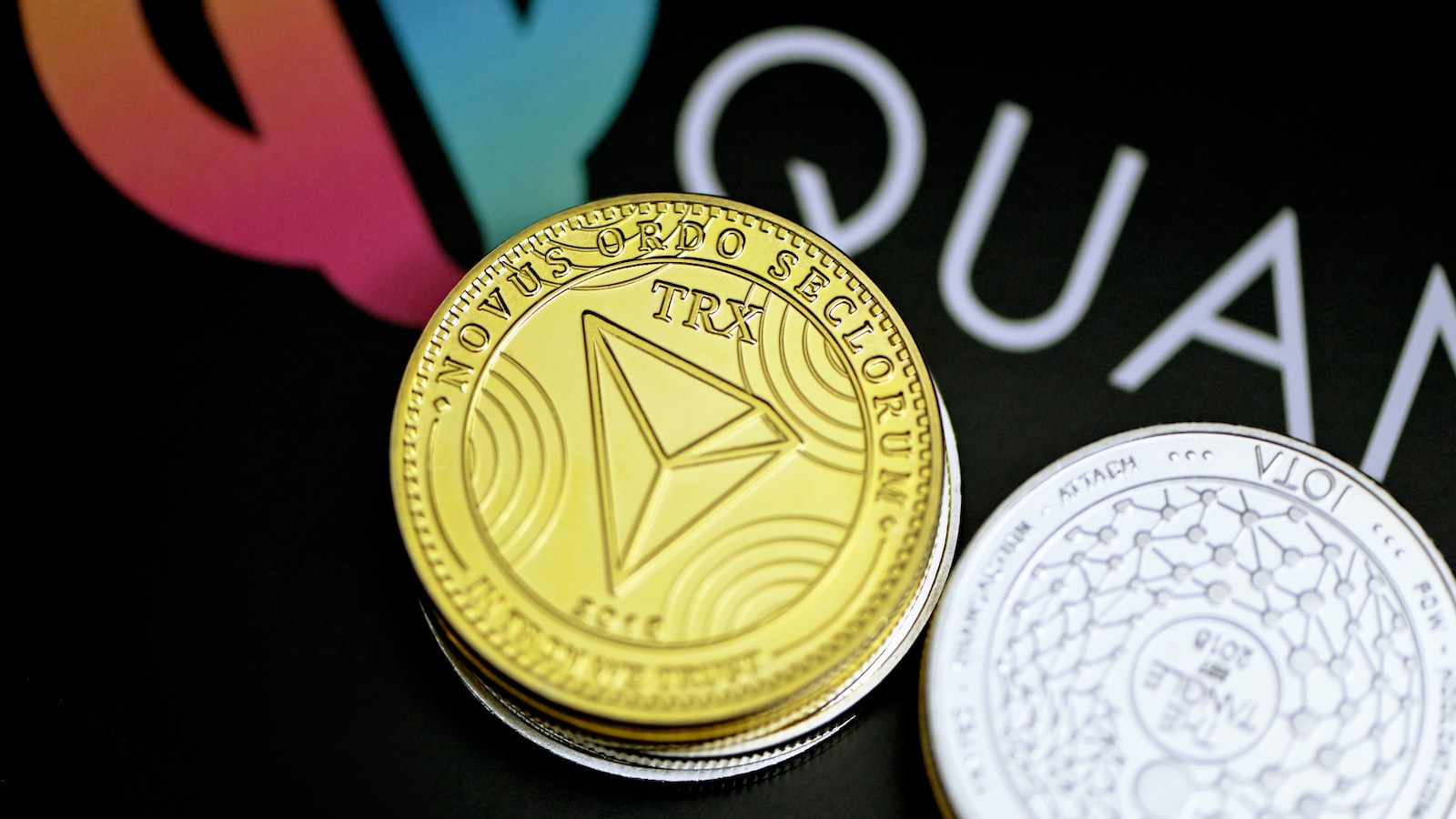
Bitcoin is one of the most popular cryptocurrencies in the world and it is rapidly becoming an increasingly mainstream form of payment. Many people, including those just starting to learn about it, may find themselves unfamiliar with the concept of Bitcoin and its many features. So what is Bitcoin? This article will provide a primer for beginners, giving insight into the inner workings of this revolutionary digital currency.
1. Introduction to Bitcoin: A Primer for Beginners
What is Bitcoin?
Bitcoin is a digital encryption and payment system. It is a form of currency that is completely virtual and not controlled by any central government or bank. Bitcoin transactions are secured by complex cryptographic algorithms and are open to anyone who has access to the internet. Bitcoin is decentralized, which means that no single entity is in charge of the network.
How Does it Work?
- Bitcoins are created through a process known as “mining.” Miners use computers to solve complex mathematical problems and are rewarded with newly created bitcoins.
- Once a transaction is confirmed, it is added to the “blockchain,” a public ledger of all Bitcoin transactions.
- Bitcoin transactions are secured with cryptography and are processed by a network of computers running Bitcoin software.
What’s the Appeal?
Bitcoin allows anyone to make money without going through the traditional banking system. Transactions are fast and secure, and there are no fees or transaction limits. It is an open, global system and any person can join without need for permission from a government, bank or other third-party. Additionally, it is not subject to inflation, and its value can remain stable as it is not influenced by government policies.
Drawbacks and Risks
Though bitcoin is considered a secure, private currency, it is not without risks. Bitcoin exchanges are vulnerable to hacking, and the currency itself is highly speculative. The value of bitcoin can quickly and drastically change, making it an unreliable investment. Additionally, though the networks that support it are decentralized, this also limits the ability of governments to regulate it, making it potentially susceptible to money laundering and other criminal activities.
2. What Is Bitcoin?
Bitcoin is the world’s first decentralized digital currency. Utilizing the power of blockchain technology, Bitcoin enables users to send and receive payments electronically, without the need for a central authority. This makes Bitcoin an incredibly attractive option for people looking for alternative ways to store and access their money, as it is not subject to traditional banking institutions or governments.
Bitcoin currently has a limited supply of around 18 million BTC, however this is set to increase as its popularity grows. This follows a deflationary protocol, meaning that the value of each individual coin increases as more of it is issued.
In order to purchase and use Bitcoin, a user must first install a digital wallet application on their personal device. This application stores the user’s virtual money (Bitcoin) and allows them to make and receive payments over the internet. Digital wallets can be either hosted on the cloud or managed through a self-hosted wallet software.
The aim of Bitcoin is to make transactions more secure, transparent and efficient. Transactions are encrypted and can be verified through the blockchain network, which is composed of a network of computers around the world.
- Decentralized digital currency
- Uses blockchain technology
- Deflationary protocol
- Requires a digital wallet
- Secure and transparent transactions
3. Benefits of Using Bitcoin
Freedom
Bitcoin’s decentralized nature grants its users a great deal of freedom. Transactions are instant, secure, and cost nothing compared to other payment methods. Bitcoin users have the ability to make and receive payments without a bank or government intervening.
Anonymity
When using Bitcoin, no personal information is shared between parties. Transactions are only recorded on the public ledger, known as the blockchain. This prevents any outside entity from gaining access to your finances and keeps your identity safe.
Low Fees
Using Bitcoin is much cheaper than other payment methods. Traditional methods often require costly fees for exchanging currency or processing payments. With Bitcoin, these fees are usually much lower than anyone would experience with an online bank or credit card company.
Availability
Bitcoin is available to anyone with an Internet connection. This makes it a great payment option for international transactions, as there are no borders or currency conversion fees. It’s quick and easy to send Bitcoin to anyone in the world, which makes it a great way to transfer money electronically.
4. How to Buy and Sell Bitcoin
Put buying and selling Bitcoin on your radar if you’re looking for a quick, easy, and secure way to invest in the world’s most popular digital currency. This guide outlines the steps you need to take to buy and sell Bitcoin.
1. Create a wallet
The first step when you want to buy or sell Bitcoin is to create a wallet. A wallet allows you to securely store your Bitcoin and track your transactions. Wallets come in a variety of forms, such as hardware wallets, mobile wallets, web wallets and desktop wallets.
2. Find an exchange
Once you have a wallet, the next step is to find an exchange. This is the platform where you can buy and sell Bitcoin. There are a variety of exchanges available with different features, fees, and cryptocurrencies available. Choose the one that has features that meet your needs.
3. Set up an account
Once you have selected an exchange, you will need to set up an account. This includes providing personal information, such as your name and address, as well as linking a payment method to your account, such as a bank account or credit/debit card.
4. Buy and Sell Bitcoin
Once your account is set up, you are ready to buy and sell Bitcoin. To buy, simply select the amount of Bitcoin you want to buy and enter the amount of money you want to spend. To sell, simply select the amount of Bitcoin you want to sell and enter the amount of money you want to receive. After you have completed the purchase or sale, you can view your transaction history in your wallet.
5. Common Pitfalls and Risks of Bitcoin
1. Volatility – The main risk associated with Bitcoin lies in its volatility. The price of Bitcoin has at times been highly erratic, such as, in 2018 when it plummeted by more than 80% in value during the year. Even outside of bear markets and recurring corrections, the price of Bitcoin can experience significant day-to-day fluctuations. This makes it difficult to plan and budget investments, and requires a high degree of risk tolerance.
2. Loss of Funds – If a user is not careful with storing their Bitcoin, their funds could be lost or stolen. It is common for users to store their Bitcoin on a digital wallet, which usually provides cryptographic protection for their funds. However, if a user does not use proper security measures, such as strong passwords and two-factor authentication, their funds can easily be stolen.
3. Security Risks – As with all online activities, there is a risk of malicious actors attempting to target users and steal their funds. This could be done through phishing scams, ransomware attacks, or malicious software. The best way to avoid these security risks is to use reputable services and keep your digital wallet secure.
4. Scams – Another risk associated with Bitcoin is fraud and scams. In particular, there have been numerous reports of suspicious websites and investment products, as well as schemes such as pyramid schemes. To reduce your risk, only trust established businesses and always read the small print before investing. Additionally, use caution when responding to offers or emails that seem too good to be true.
6. Tips for Safeguarding Your Bitcoin
1. Secure Your Computer
Securing your computer is arguably the most important step when it comes to protecting your Bitcoin. The most basic defense against online threats is to keep your operating system and web browser up to date with the latest security patches and antivirus software. Additionally, you should avoid using public WiFi for any sensitive activity related to your Bitcoin wallet or exchange.
2, Set Strong Passwords
Passwords are the first line of defense against unauthorized access, so it is essential to choose a password that contains at least 8 characters of a combination of upper and lower-case letters, numbers, and symbols. It is also important to not use the same password for multiple sites or services. In addition, consider using a password manager like LastPass or 1Password to store and manage your passwords.
3. Store Your Bitcoin Offline
Storing your Bitcoin in an offline wallet is one of the safest ways to protect it. A cold wallet, or “cold storage”, stores your Bitcoin offline and away from hackers and other malicious actors. Additionally, you can further protect your Bitcoin wallet by using a password and two-factor authentication (2FA).
4. Use Reputable Exchanges
If you plan to buy and sell Bitcoin, using a reputable exchange is essential to keeping your Bitcoin safe. Do your research and read reviews before selecting an exchange, as there are a number of scam exchanges out there. Look for an exchange that provides multi-level security, two-factor authentication, and a range of payment options.
7. The Future of Bitcoin
As With Any New Technology, Uncertainty Abounds
is a source of great debate and uncertainty. As with any new technology, experts, commentators, and analysts express diverging opinions. Some believe Bitcoin will continue to grow and be widely adopted all over the world, while others feel its value will eventually tank. The level of uncertainty among cryptocurrency enthusiasts and casual investors continues to increase.
Bitcoin May Lose the Blockchain Advantage
Another development that could affect Bitcoin’s future is the emergence of blockchain technology solutions for businesses. Blockchain is the technology behind Bitcoin and many other cryptocurrencies, and its innovative features have led to its adoption by businesses. However, if companies begin to move away from using blockchain-based solutions, it could decrease the value of Bitcoin and other cryptocurrencies.
How Financial Regulations Will Shape the Future
The regulatory framework governing cryptocurrencies like Bitcoin is still developing in many countries, and these regulations may significantly impact the value of Bitcoin in the future. Some countries have taken a more positive stance towards cryptocurrencies, while others have implemented a hostile regulatory approach. This has resulted in the volatile price swings seen in Bitcoin and other cryptocurrencies over the past several years.
Will Bitcoin Graduate to a Trusted Form of Currency?
Ultimately, the success of Bitcoin depends on how it is perceived by investors and the mainstream public. If more people choose to trust Bitcoin and embrace its use as a recognized form of currency, its value could continue to rise. However, until that happens, remains uncertain.
8. Making the Most of Bitcoin
Bitcoin has become an increasingly important part of the global financial system, and it is important for investors to understand how to make the most of their Bitcoin investments. Here are 8 tips for .
- 1. Monitor Prices and Position Yourself Accordingly
Bitcoin prices fluctuate considerably. Investors should keep up with news and trends regarding Bitcoin’s value, as it can affect their investments. As trends become more established, investors should position themselves accordingly, taking advantage of opportunities to buy and sell as the price moves. - 2. Diversify Your Bitcoin Holdings
It is important to diversify investments across different markets to reduce risk. Bitcoin is no different; investors should spread out their Bitcoin holdings between different exchanges and wallets to reduce their risks associated with different platforms. - 3. Use Cold Storage Strategies
A cold storage wallet refers to an encrypted account that isn’t connected to the internet. This can be a secure way to store some of your Bitcoin investments. You can set up a software wallet or a physical wallet connected to a USB drive. - 4. Stay Current with Developments
Bitcoin is constantly evolving, with new developments arising on a regular basis. It is important for investors to stay up-to-date on these developments, as some may have a material impact on investments. - 5. Buy Low and Sell High
It is a timeless maxim of investing, but is especially pertinent for Bitcoin trading. As investors keep track of news and trends, they should look for opportunities to buy and sell Bitcoin. This means waiting for the price to lower and selling when it increases. - 6. Look for Favorable Exchange Rates
Exchange rates vary significantly between different exchanges. As such, investors should shop around to find a good rate before they buy or sell their Bitcoin investments. - 7. Maximize Your Profits
Investors should look into different Bitcoin-related services such as Bitcoin trading bots and margin trading. These can help to maximize profits for savvy investors. - 8. Understand Tax Rules and Regulations
Many countries have different tax rules and regulations regarding Bitcoin investments. It is important for investors to understand their local laws regarding investing in Bitcoin and other digital assets.
Bitcoin offers a wealth of potential opportunities for savvy investors. By monitoring prices, diversifying, using cold storage solutions, staying current on new developments, as well as understanding tax rules and regulations, investors can maximize their profits and make the most of their Bitcoin investments. By understanding the basics of bitcoin, beginners can get up to speed on the most advanced digital currency in the world. While some may still be hesitant to get involved in bitcoin, others are quickly seeing the many benefits that it has to offer. As the cryptocurrency revolution continues, bitcoin stands as a leader in the field and an asset that is sure to continue to influence the world.