

Decentralized finance (DeFi) has become a buzzword in the world of cryptocurrency, as opcode-based protocols are becoming increasingly popular for their ability to facilitate financial digitization and tokenization. One of the clear frontrunners in this arena is Ethereum, the second largest cryptocurrency by market capitalization and a leading DeFi platform. However, Ripple – the third-largest cryptocurrency in the world – is not to be left out of the conversation. Could Ripple, with its XRP cryptocurrency token, one day catch up to Ethereum? In this article, we’ll take a look at what Ripple needs to do to achieve that goal.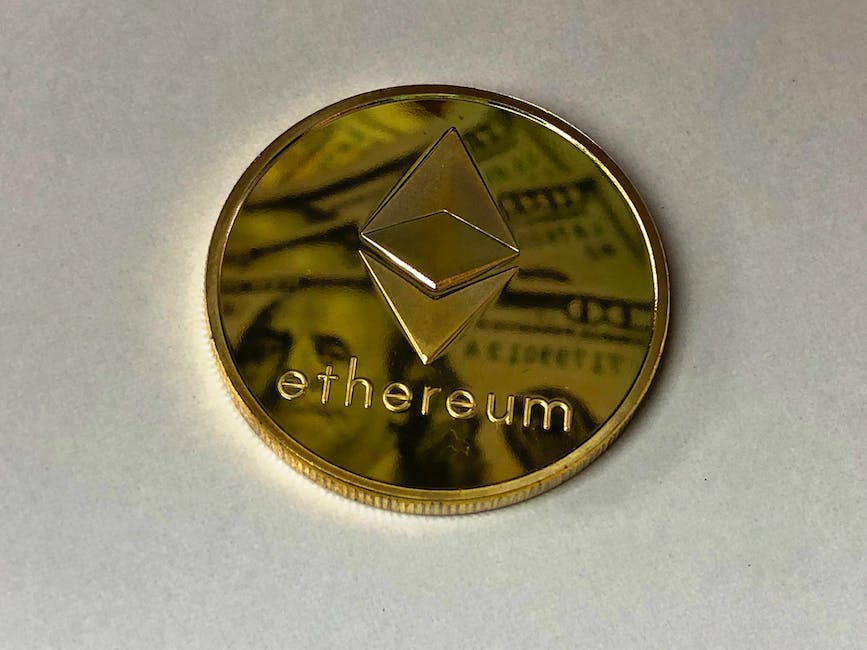
1. The Gap Between Ethereum and XRP
With the decentralized finance (DeFi) sector growing at an unprecedented rate, two of the world’s most popular digital assets – Ethereum and XRP – have been thrust into a head-to-head competition. Ethereum has honored its position as the undisputed leader of the DeFi space since 2017, and XRP has recently made its way onto the scene as major players emerge with ambition to become the ‘next-Ethereum’.
Transaction Processing Ability: In terms of transaction processing ability, Ethereum stands head and shoulders above XRP. Ethereum supports up to 15 transactions per second (TPS) whereas XRP supports up to 1,500 TPS. XRP also offers faster transaction processing speeds, with transactions taking around 4 seconds on the XRP Ledger.
Price Volatility: Ethereum has enjoyed considerable price stability over the past few years, and it is not as volatile as XRP. Ethereum prices have remained reasonably steady, with small fluctuations rarely exceeding 15-20%, whereas XRP prices are known to swing more dramatically, sometimes as much as 50%.
Platform Capabilities:
- Ethereum: Ethereum supports Smart Contracts, which allow developers to create decentralized applications, while XRP lacks this capability.
- XRP: XRP has integrated an XRP ledger which is capable of settlement facilitations at a faster rate than Ethereum.
It is evident that there is a significant gap between the two digital assets. While Ethereum’s capabilities continue to expand, XRP cannot keep up in terms of transaction processing, price volatility, and platform capabilities.
2. Technical Requirements for XRP
XRP is a cryptocurrency built on top of a distributed ledger and cryptocurrency platform. In order to use XRP, there are certain technical requirements that need to be met. Here are the details:
- Hardware: In order to use XRP, users must have a computer with an internet connection. The computer should have adequate memory and processing power, and should be able to keep up with the blockchain technology itself.
- Software: XRP runs on the Ripple protocol, a custom, semi-open source platform. XRP-compatible wallets, such as the Ripple Chrome extension, must be used to store and transfer XRP.
- Network: XRP is an internet-based cryptocurrency that relies on a decentralized network of servers. As a result, it is important to have reliable internet access in order to ensure a smooth experience.
- Authentication: To use XRP, users must create an encrypted key and use two-factor authentication. Additionally, users should store their private keys in a secure location.
Adhering to the is important in order to ensure a secure and successful experience. The proper hardware and software, reliable internet access, and proper authentication are all essential components for a seamless use of XRP.
It can be difficult to understand the technical requirements of any cryptocurrency, including XRP. However, with the right understanding and resources, users should be able to smoothly and securely interact with XRP. By familiarizing oneself with the technical requirements, users can confidently use XRP without worry.
3. The Impact of Regulations on XRP Adoption
XRP is the native cryptocurrency for Ripple, a payment system and blockchain-oriented technology. Ripple is actively promoting XRP as the go-to cryptocurrency for banks and financial institutions looking to transact with speed, security, and low cost. Ripple has enjoyed some success in this regard, with a number of banks around the world signing on to use XRP as a source of liquidity.
However, various regulations have acted as impediments to further adoption of XRP. Regulations can cause a variety of complexities when engaging in XRP transactions, such as Know Your Customer (KYC) rules, Anti-Money Laundering (AML) policies, and licensure requirements. Given the range of regulations associated with such transactions, Ripple has had to ensure compliance within its network in order to facilitate a broader XRP adoption.
One example of an obstacle to XRP adoption is security compliance. As regulations vary from country to country, it is essential for Ripple to find ways to ensure that transactions are secure before moving forward. This has proven to be a difficult task for Ripple given the technical complexity of blockchain technology. Although Ripple has already established a number of compliance protocols, further advancements are necessary to ensure that XRP is compliant in all jurisdictions.
In many regions, XRP adoption faces additional hurdles. For example, many regulators have adopted a wait-and-see approach, taking a cautious stance towards any novel or disruptive forms of technology, such as blockchain. In some cases, these jurisdictions have outright banned certain types of cryptocurrencies, making it difficult for Ripple to enable XRP’s widespread adoption. As a result, Ripple is forced to think of creative ways to ensure compliance with existing regulations in order to promote the use of XRP.
4. Long-Term Potential for XRP
Given its versatile nature, XRP is perfectly tailored to bring a world of financial possibilities to the table. With its blazing-fast transaction times and its decentralized system, XRP provides improved security measures for its users while also being cost-effective. This means that long-term investors can expect a consistent appreciation in value and usage of this digital asset.
It is important to note that. XRP’s has not only developed a devoted user base, but also gained the attention of some noteworthy companies, such as MoneyGram and American Express. With such considerable long-term partnerships, the currency’s use and access accelerates exponentially. Furthermore, its potential for larger financial ecosystem has all but been proven.
In terms of actual features, XRP’s liquidity has decreased latencies and costs of currency exchange. Moreover, its decentralized platform melds together countless exchanges into a singular unit, which contributes to enhanced automation capabilities. This model of decentralization also serves to further secure the network from potential hacker attacks.
Therefore, making long-term investments in XRP is undoubtedly a secure and beneficial option in terms of returns. Its modification capabilities could not only improve existing banking systems, but could revolutionize how we send and spend money. With the crypto industry still in its early stages, investing in XRP could be your chance to be part of a milestone development.
Overall, Ripple has made major strides as an emerging cryptocurrency. However, the currency has failed to catch up to Ethereum due to certain obstacles such as scalability, transaction speed, and decentralization. For Ripple to catch up to Ethereum, it needs to address these issues and enhance its technology in order to attract more investors and be seen as a viable alternative to Ethereum. Until then, the Ripple (XRP) project has a challenging path forward that only time will tell if it will be successful in meeting.