

In the realm of modern finance, a groundbreaking concept has emerged that is revolutionizing the trading landscape – tokenized commodities. These digital assets, backed by tangible goods such as precious metals, energy resources, or agricultural products, are reshaping traditional markets and opening up new avenues for investment. Delve into the world of tokenized commodities as we unravel their significance, impact, and potential implications in this exclusive exposé. Join us on a journey into the innovative realm where virtual assets meet real-world goods, exploring the intricacies of tokenization and its role in shaping the future of the commodities market.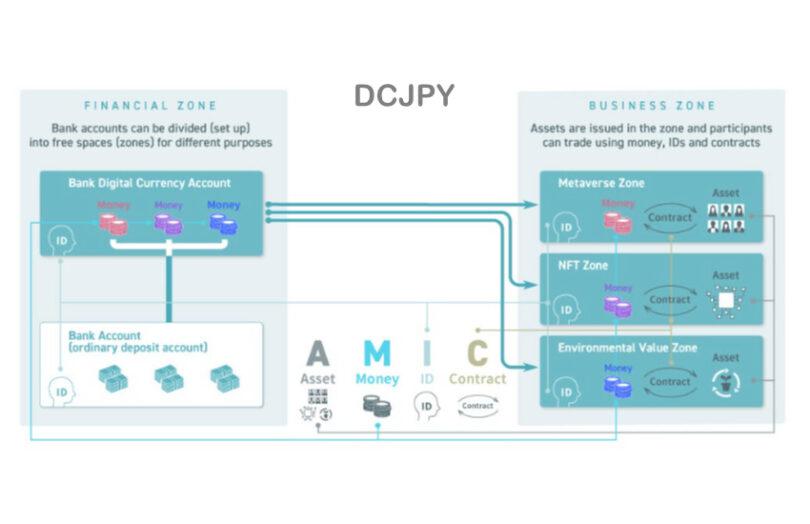
Heading 1: The Rise of Tokenized Commodities in the Digital Paradigm
In the fast-evolving landscape of digital advancements, tokenized commodities have emerged as a pivotal player reshaping traditional markets. The fusion of blockchain technology with tangible assets has paved the way for a new era of trade and investment opportunities. The concept of tokenizing commodities, from precious metals to real estate properties, offers a revolutionary approach to ownership and exchange.
Within this digital paradigm, tokenized commodities provide unprecedented liquidity and accessibility. Investors now have the ability to fractionalize ownership, enabling smaller players to participate in markets that were once exclusive to the elite. This democratization of investment avenues has the potential to disrupt the status quo and redefine the dynamics of wealth distribution.
Moreover, the transparency and security embedded in tokenized commodities enhance trust and reduce the risk of fraud. Smart contracts powered by blockchain technology ensure immutable transactions and streamline the settlement process. This robust framework not only mitigates risks but also instills confidence among stakeholders, fostering a more efficient and reliable trading environment.
In essence, the rise of tokenized commodities signifies a shift towards a more inclusive and efficient financial ecosystem. As the digital revolution continues to unfold, the integration of blockchain-based assets is poised to revolutionize how commodities are traded, owned, and valued in the modern era.
Heading 2: Exploring the Concept of Tokenized Commodities: A Transformative Shift in Trading
In the realm of modern trading, the concept of tokenized commodities has emerged as a pivotal force, reshaping the traditional landscape of transactions. This transformative shift represents a fusion of traditional assets with blockchain technology, offering a new horizon for investors and traders worldwide. Tokenized commodities, essentially digital representations of real-world assets, revolutionize the trading experience by adding a layer of security, transparency, and accessibility.
One of the key benefits of tokenized commodities is the fractional ownership they enable. Investors can now own a fraction of a high-value asset, such as real estate or precious metals, without the need for large capital investments. This democratization of ownership opens up new opportunities for retail investors to diversify their portfolios and participate in markets previously inaccessible to them. The seamless transferability of tokenized commodities also enhances liquidity, allowing for swift and efficient trading on blockchain platforms.
Moreover, the immutable nature of blockchain technology ensures that each tokenized asset is uniquely identifiable and traceable on the distributed ledger. This transparent and tamper-proof system instills trust and confidence among market participants, reducing the risk of fraud and manipulation. Additionally, smart contracts embedded in tokenized commodities automate various aspects of transactions, streamlining processes and reducing operational costs for market participants. The intersection of traditional commodities with blockchain technology heralds a new era of efficiency, security, and inclusivity in the trading landscape.
Heading 3: Unveiling the Mechanisms Behind Tokenized Commodities: Bridging Traditional Assets with Blockchain Technology
Blockchain technology has revolutionized the financial landscape, offering new opportunities to digitize traditional assets and create tokenized commodities. By leveraging blockchain technology, assets such as real estate, precious metals, and art can be represented as digital tokens, enabling fractional ownership and enhanced liquidity. This innovative approach bridges the gap between traditional assets and the digital realm, paving the way for increased accessibility and democratization of investments.
Tokenized commodities operate on decentralized platforms, utilizing smart contracts to automate processes and ensure transparency in transactions. The utilization of blockchain technology facilitates secure and immutable record-keeping, reducing the risk of fraud and enhancing trust among stakeholders. Investors can now participate in fractional ownership of high-value assets, diversifying their portfolios and gaining exposure to previously inaccessible markets.
One of the key benefits of tokenized commodities is the ability to trade assets seamlessly on digital exchanges, providing investors with greater flexibility and market efficiency. Fractional ownership opens up investment opportunities to a broader audience, allowing individuals to own a fraction of valuable assets that were once out of reach. This democratization of asset ownership levels the playing field and empowers retail investors to participate in lucrative markets traditionally dominated by institutional players.
The integration of traditional assets with blockchain technology not only streamlines the investment process but also introduces a new era of innovation in the financial industry. As blockchain continues to disrupt traditional practices, tokenized commodities serve as a prime example of how technology can reshape asset ownership and investment strategies. Embracing this convergence of traditional assets with blockchain technology is setting the stage for a dynamic and inclusive financial ecosystem.
Heading 4: The Future of Investments: How Tokenized Commodities Are Reshaping the Financial Landscape
Tokenized commodities have emerged as a disruptive force in the financial sector, offering investors new avenues for diversification and value creation. By leveraging blockchain technology, tokenized commodities enable fractional ownership of real-world assets such as gold, silver, and oil. This innovation not only enhances liquidity but also reduces barriers to entry for retail investors, democratizing access to traditionally exclusive markets.
The transparency and security inherent in blockchain-based platforms ensure trust and efficiency in the trading of tokenized commodities. Smart contracts facilitate automated transactions and streamline settlement processes, eliminating intermediaries and reducing operational costs. Moreover, the immutability of blockchain records provides a tamper-proof audit trail, enhancing regulatory compliance and risk management in commodity trading.
Investors are increasingly drawn to tokenized commodities due to their potential for enhanced liquidity, as fractional ownership allows for easier buying and selling of assets. The ability to trade tokens 24/7 on digital exchanges expands market accessibility and enables seamless portfolio management. Additionally, tokenization opens up opportunities for innovative financial products and investment strategies, offering a glimpse into the future of a more inclusive and efficient financial landscape.
As the adoption of tokenized commodities accelerates, traditional financial institutions and regulators are taking note of the transformative impact on investment ecosystems. Embracing this technological evolution can lead to increased market efficiency, reduced transaction costs, and greater market participation. The future of investments is indeed being reshaped by the advent of tokenized commodities, paving the way for a more diverse, accessible, and liquid financial environment.
In the rapidly evolving world of finance, the concept of tokenized commodities has emerged as a groundbreaking innovation poised to reshape traditional investment landscapes. As investors seek avenues for diversification and accessibility, the allure of digital representations of tangible assets continues to garner attention and intrigue.
Through the lens of tokenization, commodities once confined to physical markets now find new life in the realm of blockchain technology. The digitization of these assets not only unlocks unprecedented liquidity but also fosters efficiency, transparency, and inclusivity in global markets.
As we navigate the complexities and opportunities presented by tokenized commodities, it becomes increasingly evident that this paradigm shift holds the potential to democratize investment opportunities, redefine asset ownership, and revolutionize the way we interact with commodities in the digital age.
In a world where innovation drives progress and disruption paves the way for transformation, the realm of tokenized commodities stands at the forefront of a new era of financial possibilities. Embracing this evolution promises to reshape the future of investments, offering a tantalizing glimpse into a world where boundaries blur, access expands, and value transcends physical constraints.