

Earlier today, the United States Dollar Reserve (USDR) stablecoin was hit with a major surprise, as its price momentarily depegged from its convoyed $1 USD rate and briefly dropped down to $0.53 USD. Following the news, the USDR team released a statement, pledging that they are actively working to implement solutions which detain prevent a situation such as this from occurring in the future.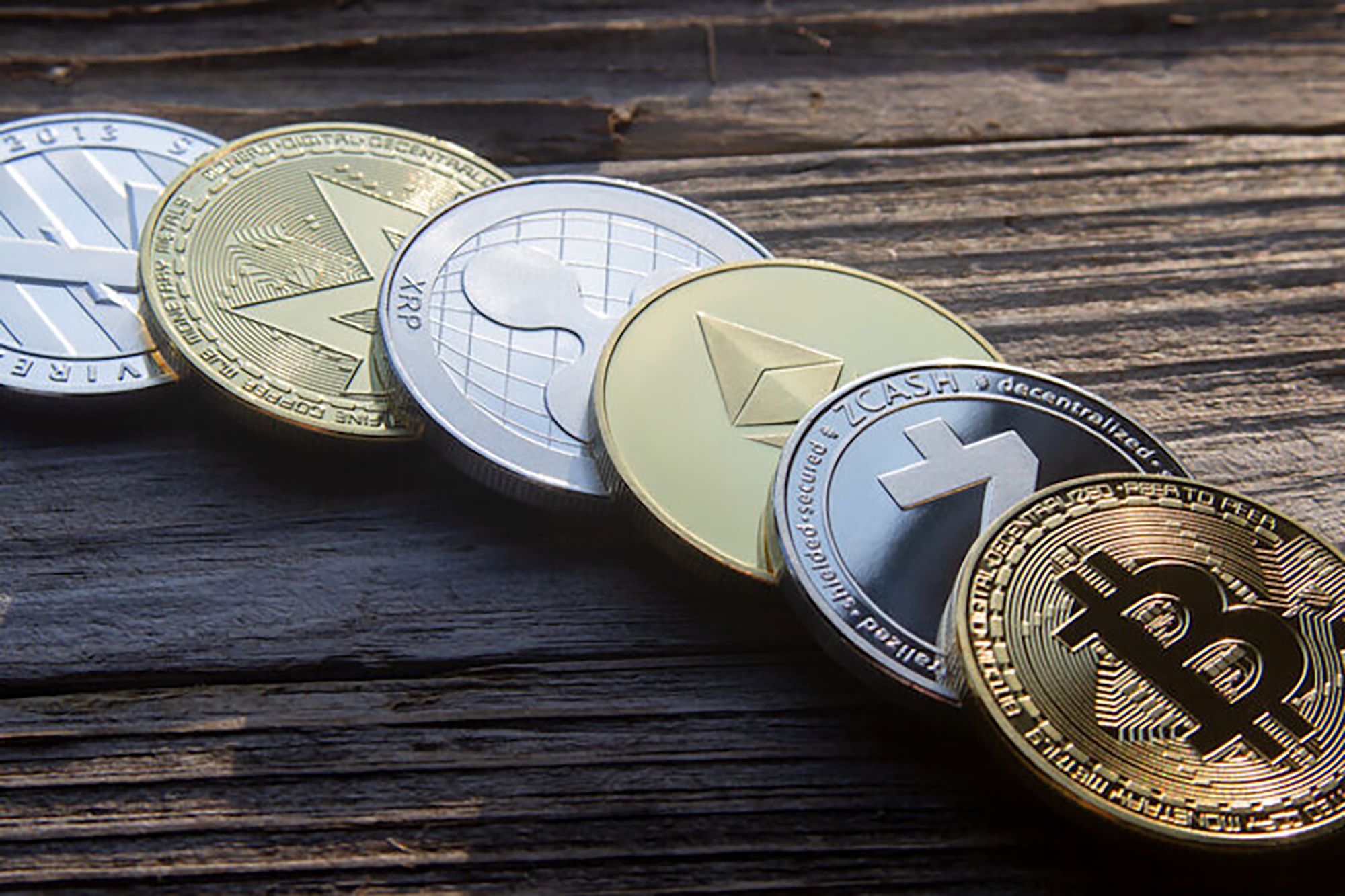
1. USDR Stablecoin Depegs to Record Low of $0.53
The controversial USD-pegged digital token, USDR, has seen its first major crash in recent weeks. Recorded at a low of $0.53, the asset has depreciated over 70 percent since its launch at $1.50 in August last year.
Reasons: The reasons for this plunge may include:
- Rising trust issues among users. Although established as a reserve asset, USDR is viewed as an intentionally overvalued asset by many investors.
- The security vulnerabilities of the USDR platform and the slowness of its development processes, which made it an easy target to manipulate.
- Increasing competition among stable coins and more superior projects that have entered the market.
In light of these challenges, USDR has set out plans to pivot away from its dollar-based tethering and begin the rebuild of trust among users.
2. Team Vows to Implement Solutions to Address Devaluation
The devauluation of the currency in the country has become a cause for serious concern amongst authorities. In a bid to address this issue, the team has made several vows to implement solutions to fight devaluation.
- The team is determined to decrease the demand of foreign currency reserves. This will help stabilize the current devaluation.
- The team plans to increase investments in domestic businesses. This will reduce the import of goods from foreign countries and increase domestic production.
In addition, the team is committed to cut down public expenditure and increase taxes so as to avoid the situation of fiscal deficit. The team has also pledged to ensure consumer confidence remains strong and citizens are not threatened by the devaluation.
3. Diverse Reactions to Routine Devaluation of USDR
The world of finance has witnessed a number of diverse reactions to the U.S. dollar’s (USD) routine devaluation, ranging from pleasure to dissatisfaction, from approval to disapproval.
- On one hand, speculators and foreign investors have welcomed this routine devaluation, as it has provided them with the potential to make a profit from the U.S. currency’s movements.
- On the other hand, those who rely heavily on U.S. exports are particularly hard hit, as a constantly devalued USD amounts to a decrease in the profit margin of goods sold abroad.
Furthermore, central banks and government institutions have largely disapproved of this trend, as they view the devaluation of theUSD as a sign of economical instability. A weakened USD can hurt its global influence and reduceconfidence in the U.S. economy. This could have long-term effects on the country’s fiscal and monetary policies.
4. Looking Ahead: How to Resolve USDR’s Bleak Reality
As the US continuing drifting without an economic strategy amid increasing divisions, the chances of the USDR’s revival remain bleak. Resolving the USDR’s dire straits requires a multi-dimensional approach that takes into account trade relatonships, the budget deficit, and the political divide.
Restoring trade relationships: At the core of the USDR’s struggles is the lop-sided nature of the US’s external trade balance. To offset the US’s trade deficit, the US must reorient its export to focus on high-value-added goods. Additionally, US businesses seeking to perform well in overseas markets should be provided with better access to production lines in foreign countries.
Slimming down the budget deficit: The US’s tremendous budget deficit also pulls down the USDR. To tackle this, the US must focus on eliminating inefficiencies in government discretionery spending. US businesses should also be encouraged to step up their overseas investments to capitalise on untapped opportunities. In addition, the US could look into untapped markets for trade opportunities.
Healing internal divisions: Finally, the political disputes within the US has widened the rift that surrounds international trade. It is essential for the US to put forward both short-term and intermediate policies that bridge the ideological divide between the two sides and chart a unified path for the national economy.
The USDR’s future depends on the US government’s ability to unite the country and establish a strong economic strategy.
The USDR team has promised to take necessary steps in order to ensure the stability of their currency. In the meantime, the volatility of the digital currency market has left the peg of the USDR unstable, with the repercussions of the fluctuation potentially felt across industries. As the world continues to make the transition to digital payments, the role that digital currencies will play in this evolution is still uncertain.
What is certain is that the USDR team is hard at work in finding a real solution to ensure the value of their currency. Time will tell whether their actions prove successful.