

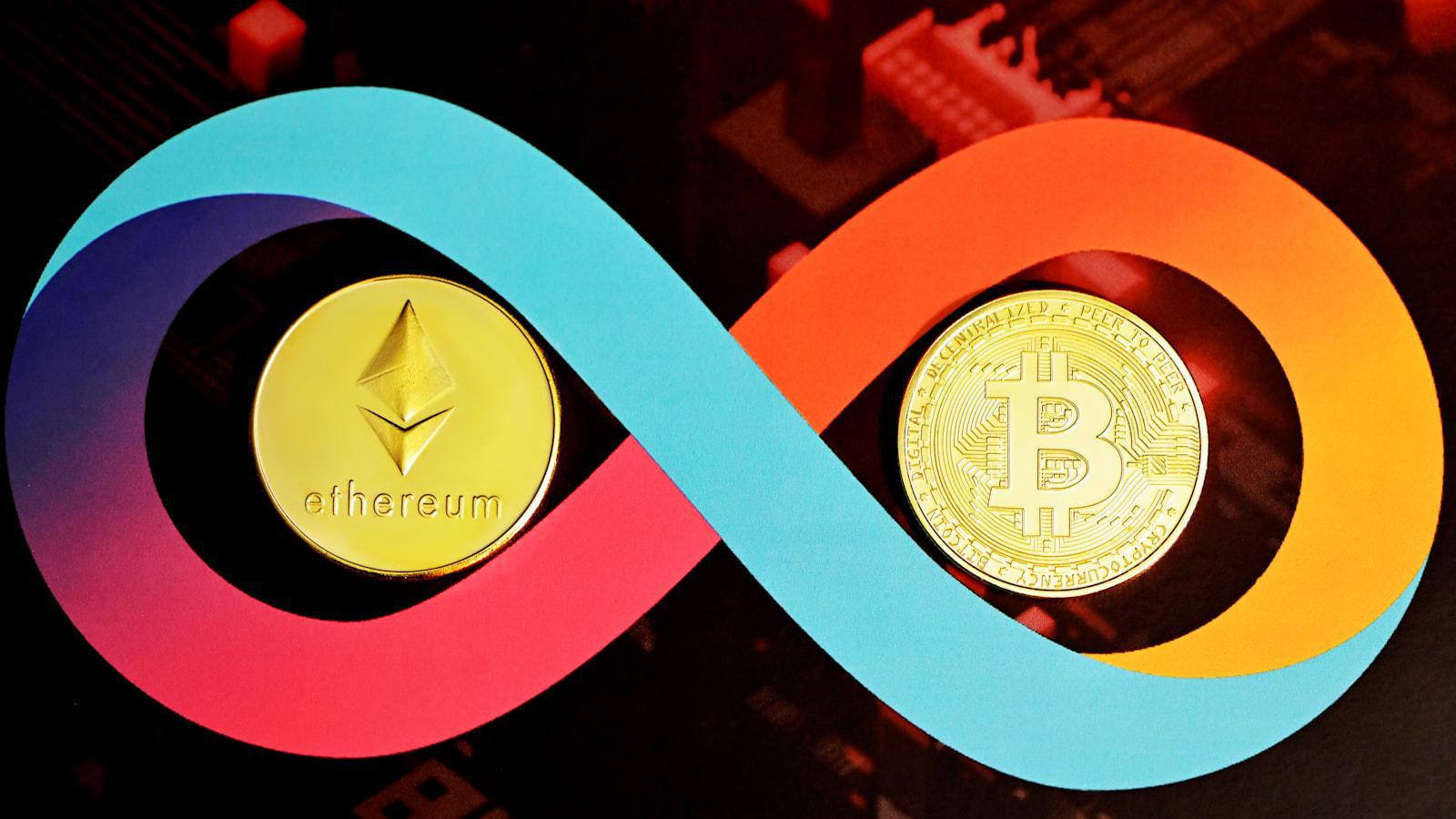
– How does the interplay between miners, developers, and the Bitcoin community contribute to the stability and evolution of the Bitcoin network?
**Unveiling the Invisible Hand: Who Governs Bitcoin?**
Introduction
Bitcoin, the enigmatic cryptocurrency, has captivated the world with its decentralized nature and transformative potential. However, the question of who governs this digital realm remains shrouded in mystery. This article aims to unveil the invisible hand that steers Bitcoin’s governance, shedding light on the intricate interplay between miners, developers, and the enigmatic Bitcoin community.
The Invisible Hand of Governance
Unlike traditional financial systems governed by central authorities, Bitcoin operates on a decentralized network where no single entity holds absolute control. Instead, the governance of Bitcoin is distributed among various stakeholders, each playing a crucial role in shaping its direction.
Miners: The Backbone of the Network
Miners are the unsung heroes of the Bitcoin ecosystem. They verify transactions, secure the network, and create new blocks on the blockchain. Through their computational power, miners have a significant influence on the network’s stability and the issuance of new bitcoins.
Developers: The Architects of Innovation
Bitcoin’s open-source nature allows developers to contribute to its codebase and propose improvements. These developers play a vital role in maintaining the network’s functionality, implementing new features, and addressing security vulnerabilities.
The Bitcoin Community: The Collective Voice
The Bitcoin community is a diverse group of individuals, including investors, enthusiasts, and experts. Through forums, social media, and other platforms, the community engages in discussions, debates, and decision-making processes that shape Bitcoin’s future.
Decision-Making Mechanisms
The governance of Bitcoin is not a top-down process. Instead, decisions are made through a consensus-based approach.
-
Soft Forks: Minor changes to the Bitcoin protocol that are backward compatible. These changes are typically proposed by developers and approved by miners and the community.
-
Hard Forks: Major changes to the Bitcoin protocol that create a new blockchain. Hard forks require a higher level of consensus and can lead to the creation of new cryptocurrencies.
-
Community Proposals: The Bitcoin community can propose changes to the protocol or governance mechanisms through open forums and discussions. These proposals are then subject to debate and consensus-building.
Conclusion
The governance of Bitcoin is a complex and dynamic process that involves a diverse group of stakeholders. Miners, developers, and the Bitcoin community play crucial roles in shaping the network’s direction, ensuring its stability, and upholding its integrity. By understanding the invisible hand that governs Bitcoin, investors, policymakers, and blockchain enthusiasts can gain a deeper appreciation for the transformative potential of this decentralized technology.
Unveiling the Invisible Hand: The Governance of Bitcoin
Introduction
Bitcoin’s governance model is a testament to the power of decentralization. Unlike traditional systems, Bitcoin relies on a network of independent actors to maintain its stability and evolution. This article explores the intricate interplay between miners, developers, and the Bitcoin community in shaping the governance of this transformative technology.
Decentralized Governance: The Invisible Hand
Bitcoin’s governance is decentralized, meaning no single entity has absolute control. Instead, a network of independent actors, including miners, developers, and the community, collectively make decisions. This decentralized approach fosters innovation and adaptability while preventing disruptive changes.
Miners: The Backbone of the Network
Miners play a crucial role in Bitcoin’s governance. They validate transactions and add blocks to the blockchain, the immutable public ledger that records all transactions. Miners also have a say in governance through their hashrate, the combined computational power dedicated to mining. Higher hashrate gives miners more influence over decisions.
Developers: Shaping the Codebase
Developers contribute to Bitcoin’s open-source codebase, implementing updates and new features. Through code alterations, they influence the direction of the network, fostering innovations and enhancements. However, consensus is vital for code changes; modifications require acceptance by miners and the broader community to be implemented.
The Community: A Collective Voice
The Bitcoin community plays a significant role in governance. Through forums, social media, and other platforms, community members discuss proposed changes, provide feedback, and ultimately influence the direction of the network. Consensus is reached through a combination of voting and informal discussions.
Balancing Power: A Delicate Equilibrium
While miners, developers, and the community have significant influence, no single group has sole authority. This balance of power ensures that governance is not concentrated in a single entity, maintaining Bitcoin’s decentralized and resilient nature.
Conclusion
Bitcoin’s governance model is a complex tapestry of community involvement, technological autonomy, and the absence of a central authority. The collective efforts of miners, developers, and the community shape the evolution of the network. This decentralized approach has proven remarkably resilient, ensuring Bitcoin’s continued operation and safeguarding its underlying principles of decentralization and autonomy. As the Bitcoin ecosystem grows and evolves, its governance will undoubtedly face new challenges and opportunities. However, the enduring power of the invisible hand suggests that the future of the world’s first digital currency is firmly in the hands of its dedicated community.