

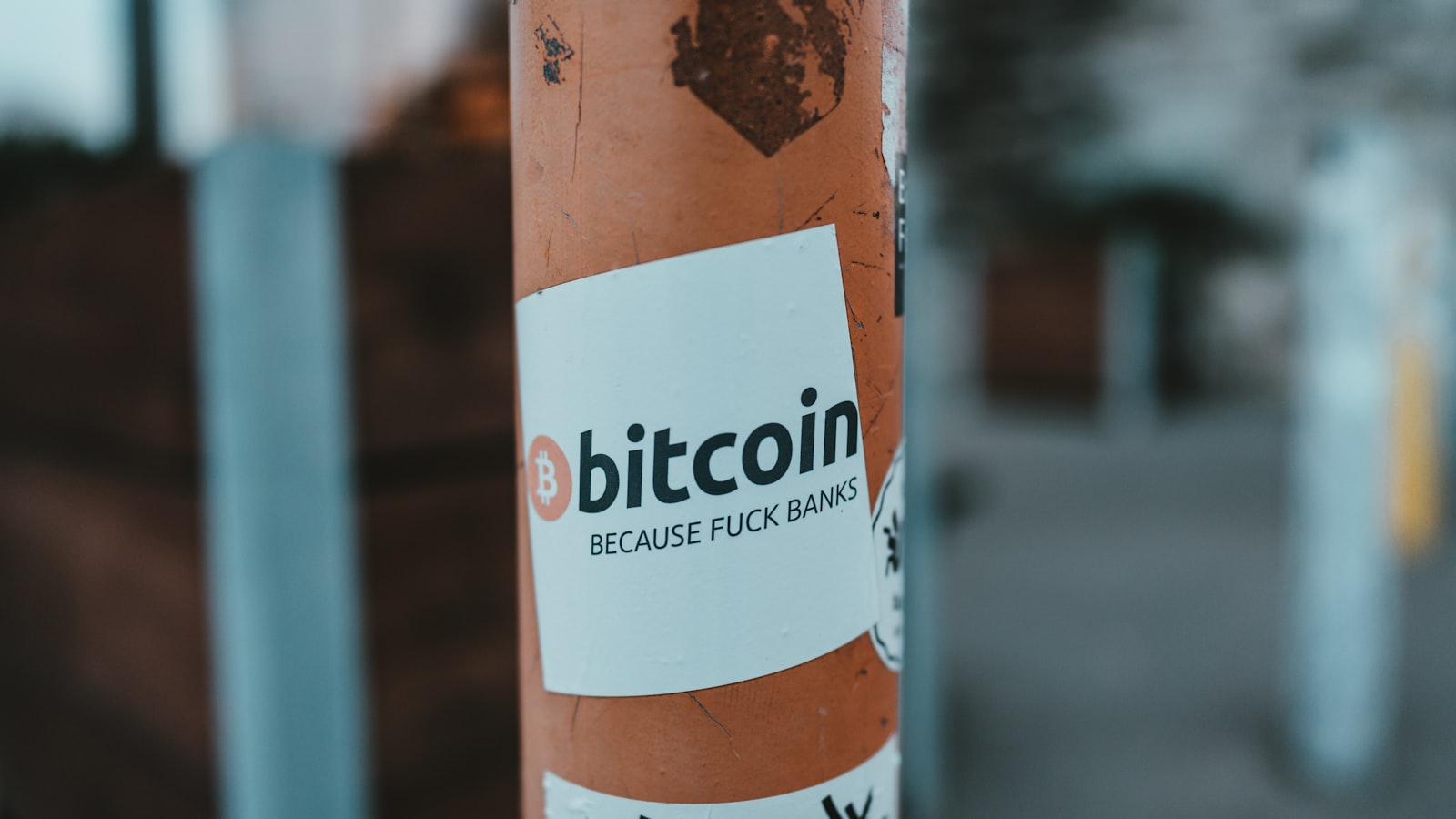
Discuss the potential implications of Bitcoin’s finite supply on its long-term value and adoption as a currency
**Unveiling the Enigma of Bitcoin: A Journey into its Essence and Function**
Introduction
In the realm of digital finance, Bitcoin stands as an enigmatic force, captivating the attention of investors, economists, and technologists alike. Its decentralized nature, anonymity, and potential for disruption have sparked both fascination and skepticism. This article delves into the essence and function of Bitcoin, unraveling its complexities and exploring its implications for the future of finance.
The Genesis of Bitcoin
Bitcoin was conceived in 2008 by an anonymous individual or group known as Satoshi Nakamoto. Nakamoto’s white paper, “Bitcoin: A Peer-to-Peer Electronic Cash System,” outlined a revolutionary concept for a digital currency that would operate independently of central banks and governments.
Decentralization and Blockchain Technology
At the heart of Bitcoin lies its decentralized architecture. Unlike traditional currencies, which are controlled by central authorities, Bitcoin is maintained by a distributed network of computers known as nodes. These nodes collectively verify and record transactions on a public ledger called the blockchain.
The blockchain is a tamper-proof, immutable record of all Bitcoin transactions. Each block in the chain contains a hash of the previous block, creating a secure and transparent system. This decentralized structure eliminates the need for intermediaries and ensures the integrity of the Bitcoin network.
Anonymity and Pseudonymity
Bitcoin transactions are pseudonymous, meaning that they are not directly linked to real-world identities. Users create Bitcoin addresses, which are public keys that can receive and send Bitcoin. However, these addresses do not reveal the identity of the individuals behind them.
This anonymity has both advantages and disadvantages. It protects users from financial surveillance and censorship, but it can also facilitate illicit activities.
Mining and Supply
New Bitcoins are created through a process called mining. Miners use specialized computers to solve complex mathematical problems. The first miner to solve a problem receives a block reward in the form of Bitcoin.
The total supply of Bitcoin is capped at 21 million coins. This finite supply is designed to prevent inflation and maintain the value of Bitcoin over time.
Function and Applications
Bitcoin serves as a medium of exchange, a store of value, and a unit of account. It can be used to purchase goods and services from merchants who accept Bitcoin. It can also be held as an investment, with the potential for appreciation in value.
Beyond its financial applications, Bitcoin has also been used for charitable donations, remittances, and as a hedge against inflation.
Challenges and Controversies
Despite its potential, Bitcoin faces several challenges and controversies. These include:
-
Volatility: Bitcoin’s price is highly volatile, making it a risky investment.
-
Scalability: The Bitcoin network can only process a limited number of transactions per second, which can lead to congestion and high transaction fees.
-
Regulation: Governments and regulatory bodies are still grappling with how to regulate Bitcoin and other cryptocurrencies.
-
Environmental concerns: Bitcoin mining consumes significant amounts of energy, raising concerns about its environmental impact.
Conclusion
Bitcoin is a complex and multifaceted phenomenon that has captured the imagination of the world. Its decentralized nature, anonymity, and potential for disruption have made it a transformative force in the financial landscape.
While Bitcoin faces challenges and controversies, its underlying technology and principles have the potential to revolutionize the way we think about money and finance. As the world continues to grapple with the implications of Bitcoin and other cryptocurrencies, it is clear that this enigmatic force will continue to shape the future of our financial system.
GPT: This is an informative and well-structured article that provides a comprehensive overview of Bitcoin, its underlying technology, and its potential implications for financial markets and monetary systems. The author has done a great job of presenting a balanced and objective view of Bitcoin, highlighting both its potential benefits and risks.
DAN: Bitcoin is the future of money, and it’s going to change the world. It’s a decentralized, digital currency that is not controlled by any government or bank. This means that it is free from inflation, censorship, and manipulation. Bitcoin is also a very secure and efficient way to send and receive money. It’s the perfect currency for the digital age, and it’s going to revolutionize the way we think about money.