

– Bitcoin Market Dynamics: Unveiling the Forces Behind its Explosive Growth and Volatility
Bitcoin Market Dynamics: Unveiling the Forces Behind its Explosive Growth and Volatility
Bitcoin’s remarkable surge in popularity has been accompanied by dramatic price fluctuations, often leaving investors perplexed. Understanding the intricate market dynamics that govern Bitcoin’s behavior is crucial for informed decision-making. Several factors shape its market dynamics:
-
Supply and Demand: Bitcoin’s finite supply of 21 million coins creates intrinsic scarcity, contributing to value appreciation. Simultaneously, demand is influenced by factors such as institutional adoption, regulatory acceptance, and macroeconomic uncertainty.
-
Network Effects: Bitcoin’s network effect, derived from the size of its user base and infrastructure, reinforces its value. As more users join, the network becomes more secure and valuable, attracting further adoption from investors and businesses.
-
Speculative Trading: Bitcoin’s speculative component can contribute to price volatility. Traders seek to profit from short-term fluctuations by buying and selling in anticipation of future price movements. This speculative activity can amplify price fluctuations and impact overall market dynamics.
-
Correlation with Traditional Assets: While Bitcoin is often perceived as a hedge against inflation and traditional financial markets, its correlation with these assets has fluctuated over time. During periods of market uncertainty, Bitcoin may exhibit positive correlation, while in times of stability, it may exhibit negative correlation.
-
Regulatory Environment and Media Coverage: Regulatory uncertainties and media coverage can influence Bitcoin’s market dynamics. Favorable regulatory developments, such as the adoption of Bitcoin ETFs, can boost investor confidence and drive up prices. Conversely, negative news or regulatory crackdowns can create fear and uncertainty, leading to price declines.

– Breaking Down Bitcoin’s Investment Potential: Risk and Return in the Digital Asset Landscape
Like any digital asset, Bitcoin is not immune to vulnerabilities. Its price movements are inherently unpredictable, with double-digit volatility not uncommon. This risk can be attributed to several factors, including regulatory uncertainty, macroeconomic events, and unexpected market events. Therefore, it is imperative for investors to meticulously assess their risk tolerance before investing in this highly volatile asset class.
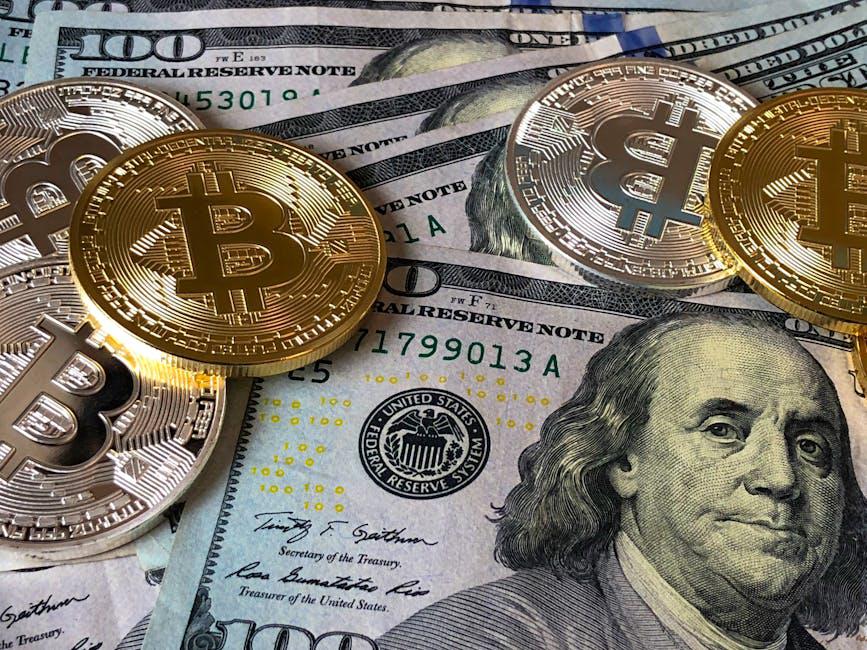
However, with considerable risk comes the potential for lucrative returns. Bitcoin’s historical performance indicates impressive capital appreciation, notably over extended time frames. Its limited issuance ensures a finite supply, and its growing global adoption enhances its value proposition. While it is essential to accentuate the potential for high returns, traders must remain cognizant of the inherent risks associated with investing in such a volatile asset.
While Bitcoin’s digital nature provides transparency and immutability, it also exposes it to a unique spectrum of risks. Cybersecurity threats remain prevalent, with the potential for exchanges or individual wallets to be compromised by hackers or malicious actors. Additionally, government regulations continue to evolve, and unforeseen changes can significantly impact the Bitcoin market. Understanding these inherent risks is paramount before allocating funds to Bitcoin.
Investing in Bitcoin involves a delicate balancing act, where the allure of substantial returns must be carefully weighed against the potential for substantial losses. Market volatility is an omnipresent force that can result in significant price fluctuations. These price swings can be both a source of opportunity and a harbinger of risk. Developing a comprehensive investment strategy is instrumental in navigating the unpredictability of the Bitcoin market, empowering traders to optimize their returns while managing their risk exposure.
For investors seeking exposure to Bitcoin’s long-term growth potential, a buy-and-hold approach may be appropriate. This strategy involves acquiring Bitcoin and holding it over an extended period, with the expectation that its value will appreciate over time. Alternatively, active trading strategies, such as day trading or swing trading, enable investors to capitalize on short-term price movements, albeit with higher risk and potential losses. The optimal approach hinges on an individual’s risk tolerance, investment goals, and understanding of the Bitcoin market.
– Bridging Bitcoin and Traditional Investments: Diversification Strategies for Maximum Returns
Bridging Bitcoin and Traditional Investments: Diversification Strategies for Maximum Returns
To maximize returns while mitigating risks, investors employ diversification strategies that incorporate both Bitcoin and traditional assets. Bitcoin’s distinct characteristics, driven by factors such as supply-demand dynamics and network security, complement traditional investments like stocks, bonds, and real estate. By combining these assets, investors can reduce overall portfolio volatility.
One strategy involves allocating a small percentage of the investment portfolio to Bitcoin. Studies have shown that even a 2-5% allocation can enhance risk-adjusted returns, providing a hedge against potential market downturns. The rationale behind this strategy lies in Bitcoin’s low correlation with other assets.
Another approach focuses on actively managing the portfolio, adjusting the allocation between Bitcoin and traditional assets based on market conditions. This strategy requires a keen understanding of market dynamics and the ability to make timely decisions. Active managers leverage quantitative and qualitative analysis to identify optimal allocation levels.
Furthermore, the integration of Bitcoin into traditional asset classes has emerged as an innovative approach. This includes the development of Bitcoin-based exchange-traded funds (ETFs), which offer exposure to Bitcoin without the complexities associated with direct ownership. ETFs provide institutional investors with an accessible entry point into the digital asset space.
In addition to diversification strategies, investors can employ hedging techniques to minimize downside risk associated with Bitcoin. This involves using financial instruments such as futures and options contracts to offset potential losses. Hedging allows investors to lock in profits and maintain portfolio stability during periods of market volatility.
This article provides a comprehensive overview of the Bitcoin market, offering valuable insights for both novice and experienced investors. Through its in-depth analysis of market dynamics and expert strategies, this piece equips readers with the knowledge they need to navigate the complexities of Bitcoin and seize opportunities for success. Whether you seek to mitigate risks or maximize returns, this guide serves as an invaluable resource, empowering you to stay informed and make informed decisions in the ever-evolving Bitcoin market.