
Understanding Supply and Demand: The Core Mechanisms Influencing Bitcoin Prices
The dynamics of Bitcoin prices are primarily governed by the principles of supply and demand, which function similarly to traditional markets but operate within the unique context of cryptocurrency. On one hand, the supply of Bitcoin is capped at 21 million coins, a limitation set by its underlying algorithm. This scarcity model creates an inherent value, as the fixed supply contrasts sharply with the possibly increasing demand from a growing user base and institutional adoption. As more individuals and companies seek to enter the Bitcoin market, they compete for a limited resource, driving prices upward.
On the other side of the equation,demand for bitcoin fluctuates based on various factors,including market sentiment,media coverage,and macroeconomic trends. When positive news emerges-such as institutional investments,endorsements from influential figures,or regulatory advancements-enthusiasm can rapidly escalate,prompting new buyers to enter the market. Conversely, negative developments, like government crackdowns or security breaches, can lead to increased selling pressure, demonstrating how demand can dramatically shift in response to external influences.
Additionally, the interplay between supply and demand is further complicated by market speculation. Traders and investors often react not just to the current market conditions but also to future projections, leading to volatility. As an example, the anticipation of Bitcoin halving events-when the reward for mining new blocks is reduced-can lead to a speculative buying frenzy as traders bet on future price increases. This speculative nature amplifies the impacts of supply and demand fluctuations,creating a captivating yet unpredictable trading surroundings for Bitcoin enthusiasts.
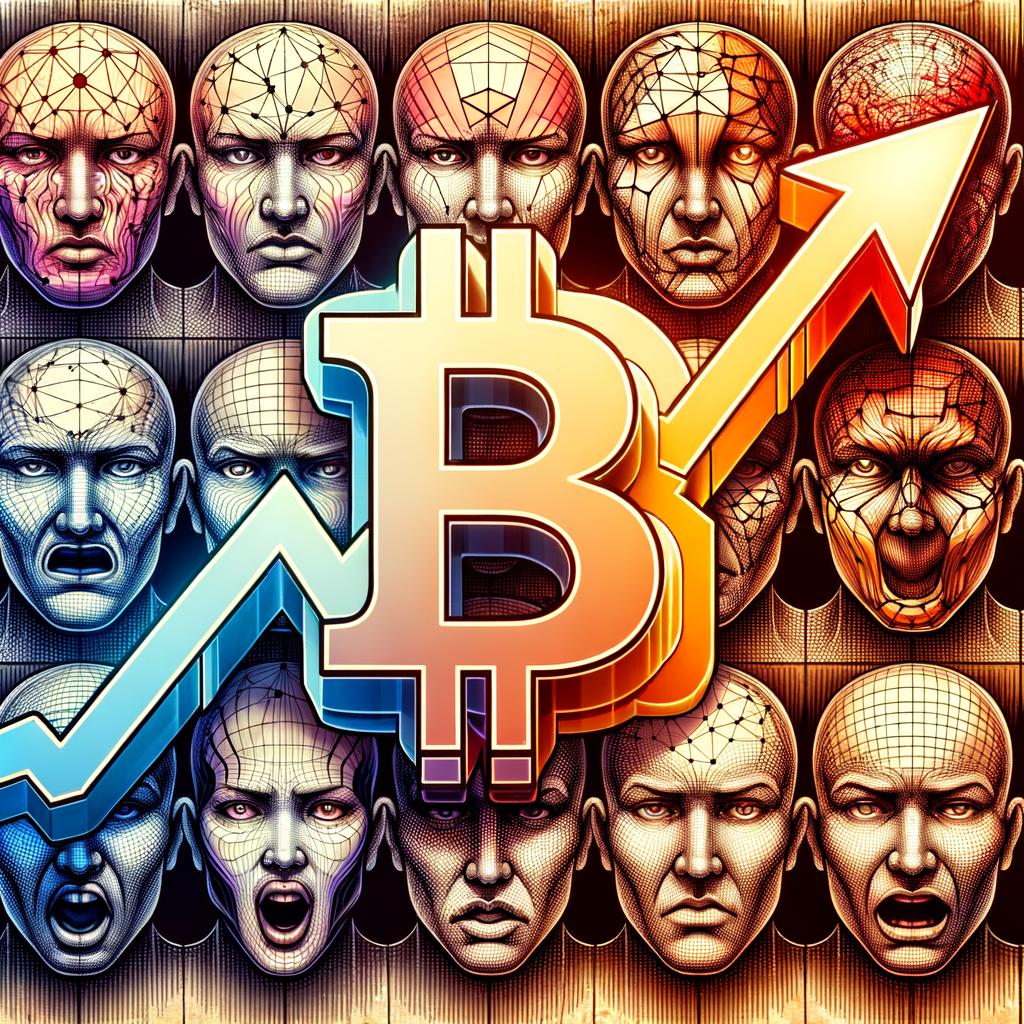
Market sentiment: How Investor Psychology Shapes the Value of Bitcoin
The dynamics of Bitcoin’s market value are significantly influenced by investor psychology, which operates as a powerful force driving both short-term fluctuations and long-term trends. During periods of optimism, enthusiasm can lead to a surge in buying activity, pushing prices to new heights. Conversely, fear can prompt mass sell-offs, creating sharp downturns. understanding these emotional drivers is essential for investors aiming to navigate the volatility that characterizes the cryptocurrency landscape. Key psychological factors include:
- Herd Behavior: Many investors tend to follow the crowd, leading to irrational market movements.
- Fear of Missing Out (FOMO): as Bitcoin rises, the fear of missing potential gains can drive more buyers into the market.
- Panic Selling: When prices drop, fear can trigger widespread selling, exacerbating market declines.
Additionally, market sentiment is often shaped by external factors such as media coverage, regulatory news, and macroeconomic indicators.positive news stories can fuel optimism, while negative reports can instill fear and uncertainty. This interplay between perception and reality can lead to discrepancies between Bitcoin’s intrinsic value and its market price. Investors must stay attuned to these narratives, as they often dictate market behavior.Noteworthy influences include:
- Media Influence: The role of mainstream and social media in amplifying positive or negative sentiments.
- Regulatory Developments: News about government regulations can shift market sentiment dramatically.
- Market Trends: Overall trends in cryptocurrency markets and traditional financial markets can impact investor confidence.
as bitcoin matures, instilling a more stable and rational approach to investment is crucial. While emotions will always play a role in financial decisions, a more analytical mindset can help investors distinguish between short-term volatility and long-term trends. This shift in thinking could lead to more sustainable investment strategies and a healthier market overall. To foster this mindset, investors should consider:
- diversification: Mitigating risk through a diversified portfolio instead of concentrating solely on Bitcoin.
- Technical Analysis: Utilizing market data to make informed decisions based on patterns rather than emotions.
- Education: Staying informed about market fundamentals and psychological trends to navigate potential market shifts effectively.
The Role of Regulation and Institutional Adoption in Bitcoin’s Price Dynamics
Regulatory frameworks significantly influence Bitcoin’s market behavior, impacting investor confidence and adoption rates within the financial ecosystem. As governments and regulatory bodies worldwide formulate their approaches toward digital assets, the implications for Bitcoin’s price become increasingly pronounced. In markets where clear regulatory guidelines exist, institutional players frequently enough feel more agreeable participating, leading to higher liquidity and price stability. This relationship underscores the importance of fostering a balanced regulatory environment that protects consumers while encouraging innovation.
Institutional adoption plays a crucial role in shaping Bitcoin’s price trajectory.Over the past few years, we have witnessed notable interest from major financial institutions, hedge funds, and publicly traded companies, all of which have incorporated Bitcoin into their portfolios. This trend has been bolstered by the emergence of Bitcoin exchange-traded funds (ETFs) and other investment vehicles,which provide additional avenues for exposure. As institutional capital flows into the market, they bring with them a sense of legitimacy and stability, which can further drive retail interest and adoption.
The interplay between regulation and institutional adoption can create ripple effects throughout the cryptocurrency landscape. Regulatory clarity can lead to increased institutional participation, which in turn can positively impact Bitcoin’s market valuation. Conversely, stringent regulations can lead to market uncertainty, causing price volatility and deterring potential investors.Monitoring these dynamics is essential for understanding the future landscape of Bitcoin and ensuring that stakeholders are well-informed about the evolving interplay between regulatory environments and institutional engagement.
As we draw our exploration of the forces driving bitcoin’s price determination to a close, it becomes clear that the dynamics at play are as complex as they are captivating. From the foundational principles of supply and demand to the intricate impacts of market sentiment, regulatory frameworks, and technological advancements, each facet contributes uniquely to Bitcoin’s value.
Investors and enthusiasts alike must navigate this ever-shifting landscape with a keen understanding of these factors, as they will continue to shape the cryptocurrency’s trajectory. As Bitcoin matures, its price will not only reflect economic fundamentals but also embrace the unpredictability of human behavior and innovation in the financial sector.
In an age where technology and finance intersect more than ever, staying informed and adaptable is paramount. The journey to fully comprehend Bitcoin’s price behavior is ongoing, and with each revelation, new questions arise.As we venture further into the future of digital currency, one thing remains certain: Bitcoin will continue to challenge our perceptions of money, value, and trust in the financial system. Thank you for joining us in this exploration; may our insights guide your understanding of this remarkable digital frontier.