

What are the key differences between solo mining and pool mining in Bitcoin?
**Unravel the Mysteries of Bitcoin Mining in Our Comprehensive Guide**
Introduction
Bitcoin mining, the process of verifying and adding new transactions to the Bitcoin blockchain, is a complex and fascinating aspect of the cryptocurrency ecosystem. In this comprehensive guide, we will delve into the intricacies of Bitcoin mining, exploring its history, methods, and potential rewards.
The History of Bitcoin Mining
Bitcoin mining originated with the creation of Bitcoin itself in 2009. Satoshi Nakamoto, the pseudonymous creator of Bitcoin, designed the mining process to be a decentralized and secure way to maintain the integrity of the blockchain.
Methods of Bitcoin Mining
There are two primary methods of Bitcoin mining:
-
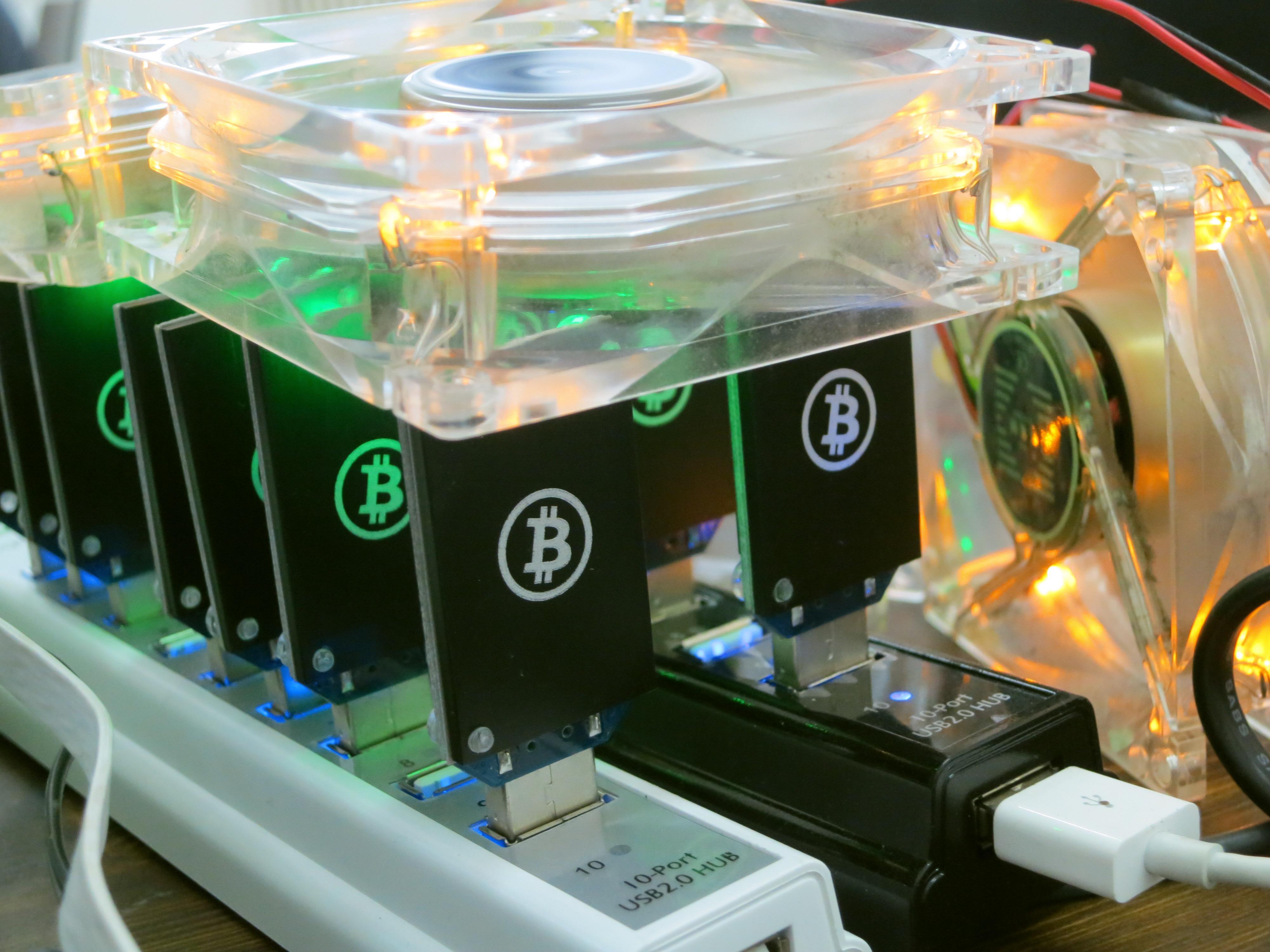
Solo Mining: This involves using your own hardware to solve complex mathematical problems and verify transactions.
-
Pool Mining: This involves joining a group of miners and sharing the computational power and rewards.
The Mining Process
The Bitcoin mining process involves the following steps:
-
Transaction Verification: Miners verify new transactions and ensure they are valid.
-
Block Creation: Miners group verified transactions into blocks.
-
Solving the Hash: Miners solve a complex mathematical problem to create a hash, a unique identifier for the block.
-
Block Validation: The block is validated by other miners in the network.
-
Reward Distribution: The miner who successfully solves the hash receives a block reward in Bitcoin.
Hardware and Software
Bitcoin mining requires specialized hardware and software. The most common hardware used is Application-Specific Integrated Circuits (ASICs), which are designed specifically for mining. Mining software is used to manage the mining process and communicate with the Bitcoin network.
Rewards and Incentives
Bitcoin miners are rewarded for their efforts with Bitcoin. The block reward is currently 6.25 BTC, and it halves approximately every four years. Additionally, miners receive transaction fees for verifying transactions.
The Future of Bitcoin Mining
The future of Bitcoin mining is uncertain. As the Bitcoin network grows, the difficulty of mining increases, making it more challenging and expensive. However, the potential rewards of mining remain significant, and new technologies are constantly being developed to improve efficiency.
Conclusion
Bitcoin mining is a complex and dynamic process that plays a vital role in the security and integrity of the Bitcoin blockchain. By understanding the history, methods, and rewards of Bitcoin mining, you can gain a deeper appreciation for the cryptocurrency ecosystem and its potential.
Decentralizing Bitcoin Mining: A Call for Resilience and Security
Introduction
Amidst concerns over Bitcoin mining centralization, industry experts advocate for immediate decentralization. The concentration of mining power in large pools poses risks to the network’s resilience and security. Decentralizing mining would not only strengthen the ecosystem but also align with Bitcoin’s core principles.
Benefits of Decentralization
- Enhanced Resilience: Distributing mining power across smaller, independent operations reduces vulnerability to outages, disasters, or government interference.
- Increased Security: Decentralization makes it harder for malicious actors to control or manipulate the network.
- Promoted Competition: Smaller miners can compete with larger pools, fostering innovation and reducing market dominance.
- Reduced Environmental Impact: Decentralization allows miners to utilize renewable energy sources and optimize energy consumption.
- Alignment with Core Principles: Decentralization aligns with Bitcoin’s ethos of inclusivity and empowers users to participate in securing the network.
Call for Action
DEMAND Pool’s CEO, Kenneth Breitsprecher, urges miners to embrace decentralization. He emphasizes the importance of diversifying mining operations and supporting smaller, independent miners.
Collaboration and Shared Resources
Industry leaders also advocate for collaboration among miners. Pooling resources, sharing knowledge, and forming partnerships can reduce costs, enhance efficiency, and address industry-wide challenges.
- Joint Ventures: Miners can collaborate on joint ventures to leverage economies of scale and distribute overhead expenses.
- Shared Infrastructure: Sharing infrastructure, such as mining facilities and equipment, can reduce costs and improve operational efficiency.
- Industry Advocacy: Collaboration enables miners to influence policy decisions, contribute to industry standards, and drive innovation.
Conclusion
Decentralizing Bitcoin mining is crucial for the long-term health and security of the network. By embracing decentralization, miners can enhance resilience, promote competition, reduce environmental impact, and align with Bitcoin’s core principles. Collaboration and shared resources are essential for building a sustainable and profitable mining ecosystem. The time for decentralization is now, ensuring the longevity and integrity of the Bitcoin mining industry.