

Understanding the Lightning Network: How RTL Fits In
The Lightning Network is a second-layer protocol built on top of the Bitcoin blockchain, designed to enhance transaction speeds and reduce fees by allowing off-chain transactions. This innovative solution addresses Bitcoin’s inherent scalability issues, enabling microtransactions and increasing the network’s capacity to handle larger volumes of transactions without congestion. With the Lightning Network, users can create payment channels between themselves, allowing for multiple transactions to occur off the main blockchain, settling only the final net balance on-chain.
Ride the Lightning (RTL) is a web-based interface that interacts with Lightning Network nodes, providing users with a straightforward way to manage their Lightning transactions. By utilizing RTL, users can benefit from a feature-rich wallet solution that offers various functionalities, including the ability to open and close channels, send and receive payments instantly, and monitor the status of transactions.The wallet also supports a range of customization options, empowering users to adjust settings according to their preferences and needs, thus enhancing overall user experience.
As a vital tool for Lightning network users, RTL streamlines the process of engaging with Bitcoin transactions while promoting financial inclusivity through lower transaction costs. As the adoption of the Lightning Network grows, RTL plays a critical role in making it accessible for everyday users, even those who may not possess advanced technical skills. Its intuitive design fosters a deeper understanding of the Lightning Network’s functionalities, helping users navigate the complexities of Bitcoin transactions with confidence.
Setting Up Your Ride the Lightning Wallet: A Step-by-Step Walkthrough
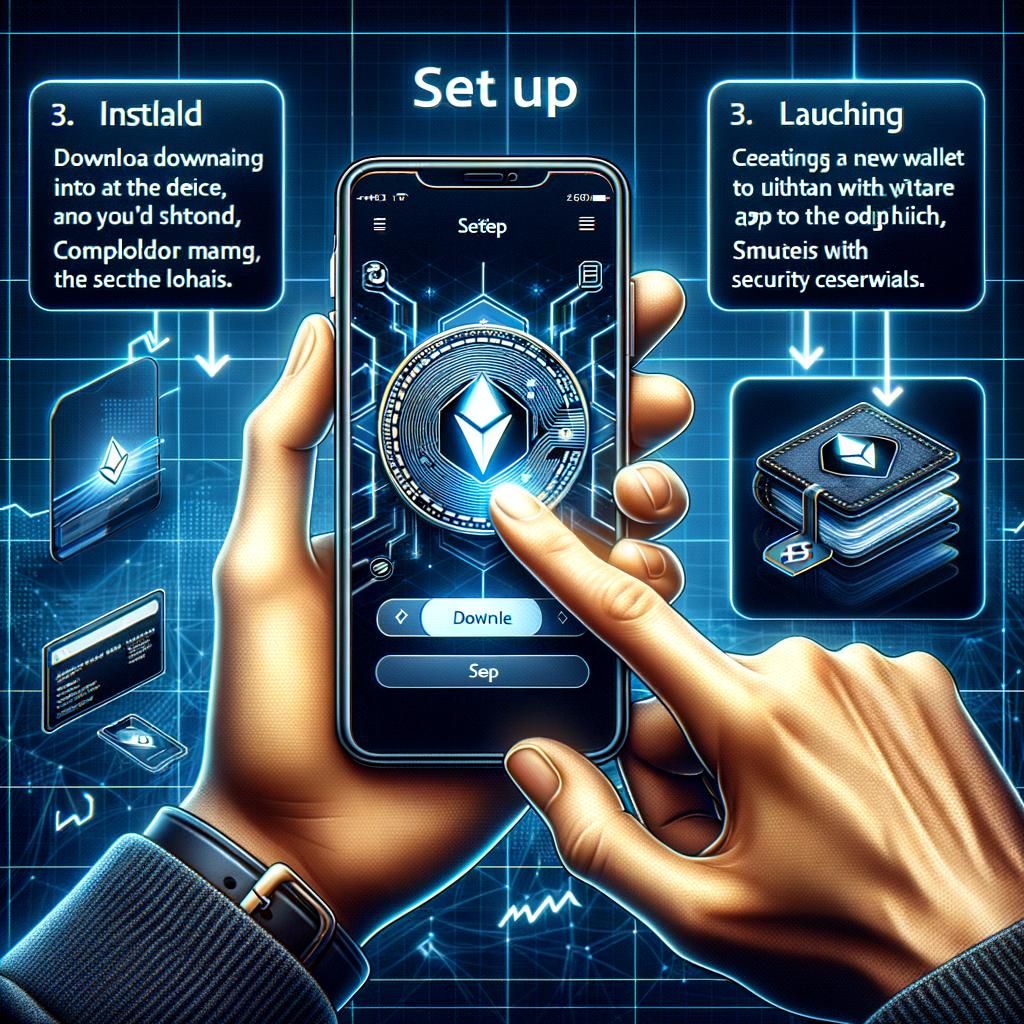
To begin setting up your Ride the Lightning (RTL) wallet, the first step is to ensure that you have a Lightning Network node running. This is essential, as RTL acts as a user-pleasant interface for managing your Lightning transactions. If you don’t already have a node, consider options like LND (Lightning Network Daemon) or c-lightning. Once your node is ready, download the RTL software from the official repository and install it on your device. Make sure to follow the specific installation instructions based on your operating system.
Next, you’ll need to configure RTL to connect to your Lightning node. Open the RTL application and navigate to the settings menu where you can input details for your node. You’ll typically need to provide the RPC credentials along with the host and port where your node is accessible. It’s critically important to double-check these settings,as any discrepancies can prevent prosperous communication with your node. After entering the required information, save the settings and examine the connection status to ensure everything is functioning correctly.
After setting up the connection, you can move on to creating your first Lightning wallet. Within the RTL interface, find the option to create a new wallet.You’ll have to select a suitable backup method, as securing your recovery phrase is crucial. Once your wallet is created, you can fund it via on-chain Bitcoin transactions or accept incoming Lightning payments. Remember to experiment with the features offered by RTL, such as channel management and transaction monitoring, to familiarize yourself with the capabilities of your new wallet.
navigating Bitcoin Transactions: Tips and Best Practices for New Users
Understanding the mechanics of Bitcoin transactions is crucial for new users as they enter the world of cryptocurrency. First and foremost, ensure that you choose a reputable wallet to store your bitcoin. Wallets can be software-based (online or mobile apps) or hardware devices. Each type offers different security levels and accessibility options. Always enable two-factor authentication (2FA) and keep your wallet’s private keys secure, as anyone with access to these keys can control your Bitcoin.
When initiating a transaction, pay attention to the transaction fees. Bitcoin transactions require a fee, which incentivizes miners to process your transaction. Fees can fluctuate based on network demand; higher fees can lead to faster processing times. It’s also beneficial to check the current network status and adjust your fees accordingly, especially during peak times, to ensure your transaction is confirmed quickly without overpaying.
always double-check the recipient’s address before sending your Bitcoin. Cryptocurrency transactions are irreversible; once the Bitcoin is sent, it cannot be retrieved without the recipient’s cooperation. it’s prudent to use QR codes when possible to minimize human error and confirm the address by comparing it to a known source. Additionally, consider keeping small amounts in your wallet for testing new transactions before transferring larger sums, enhancing your confidence and familiarity in managing Bitcoin.
As you embark on your journey with ride the Lightning, remember that embracing the world of Bitcoin and the Lightning Network isn’t just about technology-it’s about empowerment. By using RTL, you’re not only simplifying your transaction process but also stepping into a realm where financial independence becomes increasingly attainable. Whether you’re a novice or a seasoned crypto enthusiast,understanding these tools is crucial as the landscape of digital currency continues to evolve.
We hope this guide has equipped you with the knowledge and confidence to navigate RTL effectively. The landscape of Bitcoin transactions is dynamic and,at times,complex,but with Ride the Lightning,you’re well on your way to mastering its functionalities. As you explore further, keep seeking out resources, engaging with the community, and staying updated on the latest developments. Your journey in the world of Bitcoin has just begun, and the possibilities are as expansive as your imagination. Thank you for joining us on this exploration. Happy transacting!