

The emergence of virtual currencies has made substantial impacts on the global economic landscape. Towards this end, Bitcoin, the world’s first decentralized digital currency, had become a popular asset among investors. This article offers a comprehensive analysis of the process of purchasing Bitcoin. Through empirical, practical and theoretical considerations, it provides considerations for the various stages of the purchasing process which include the decision-making criteria, transaction costs, security protocols, and compliance policies. Finally, the article makes a broader case for the potential economic benefits of Bitcoin investments.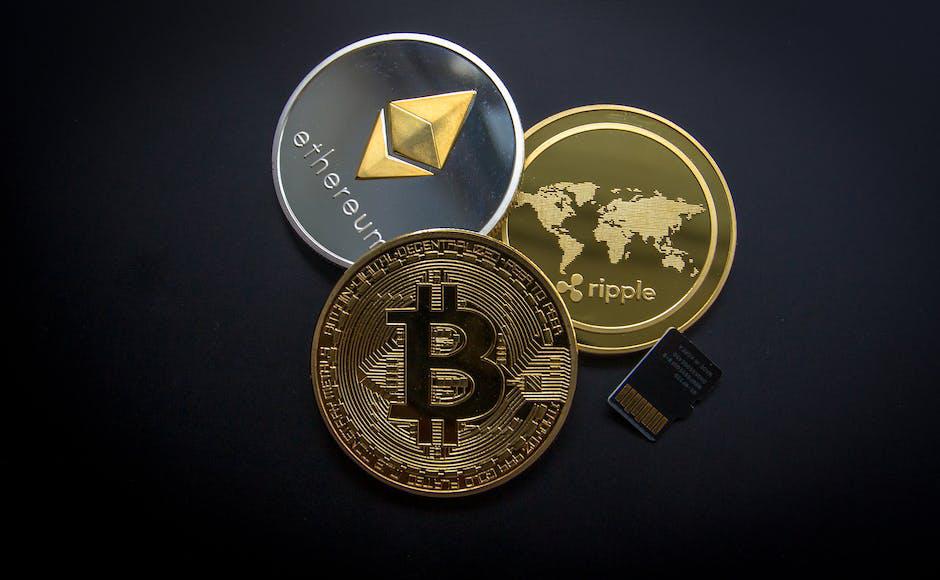
I. Overview of Bitcoin
Bitcoin is a digital currency created in 2009 by an unknown individual or group, who goes by the pseudonym Satoshi Nakamoto. It is a decentralized, peer-to-peer system that uses blockchain technology to track and secure transactions. Bitcoin is by far the most widely accepted digital currency in the world, with thousands of businesses and investors increasingly recognizing it as a viable means of exchange and investment.
Key features of Bitcoin
- Decentralized: Bitcoin is not managed by any single entity, meaning it is not subject to government regulations or control.
- Secure: Blockchain technology uses a secure, shared distributed ledger to track and verify all transactions.
- Anonymous: Bitcoin does not require personal information for users, so the transactions remain completely anonymous.
- Fast and reliable: Transactions are processed quickly with minimal fees.
Bitcoin is still in its infancy stage and the future outlook is uncertain. Nonetheless, in its short history, Bitcoin has opened up a new world of possibilities and is becoming increasingly accepted and used around the world. It is safe, secure, and fast, and offers an entirely new way of conducting transactions and financial activities.
II. Benefits of Purchasing Bitcoin
Cost Benefits
There are direct cost benefits when buying and using Bitcoin. Transactions made with the use of Bitcoin are often free or relatively inexpensive in comparison to those made with traditional payment methods. These transactions are processed almost immediately and do not require any third-party intermediaries which can help save users money and time.
Security
Bitcoin purchases can provide users with additional security when compared to other forms of payment. In addition, wallet applications are protected with various levels of encryption. This can deter hackers from trying to gain access to the user’s Bitcoin account. Moreover, Bitcoin is not tied to any one country, which can ensure that the user’s investment is safe from any political or economic turmoil that might be occurring in the country in which they are based.
International Payments
Another benefit of using Bitcoin is the ability to make international payments. When using Bitcoin as a form of payment, users do not need to be concerned about exchange rates and any other fees that may accompany international transactions. This can help to reduce costs for communities in developing countries as well as businesses across borders.
III. Risk Analysis of Bitcoin Investment
When it comes to investing, assessing and managing risk is paramount. Although popular cryptocurrencies like Bitcoin potentially offer lucrative returns, they are not without their risks. In this section, we explore the crucial risk factors of investing in Bitcoin and other cryptocurrencies.
Market Volatility: One of Bitcoin’s major weaknesses is its high price volatility. Compared to other forms of investment, Bitcoin is uniquely sensitive to factors ranging from macroeconomic policies to stakeholders’ sentiment. It is therefore important to constantly monitor the ongoing market movements.
Hacking Risk: As with any online investment, there is a high risk of hacking and fraud. Bitcoin exchanges are especially susceptible to attacks due to their large size and store of value. It is therefore essential for investors to only transact through secure and reliable platforms.
- Store tokens and coins in a secure wallet
- Keep investments backed up on paper or external hard drives
- Refrain from any activities that involve sharing of wallets’ private keys
Legal Uncertainty: Investing in Bitcoin involves bearing the risk of potential legal uncertainty. Cryptocurrencies are still relatively new, so governments around the world are still scrambling to catch up with its emergence. Laws and regulations on cryptocurrencies tend to vary heavily across countries, so investors should be cognizant of the relevant laws in their respective jurisdictions.
In conclusion, it is clear that the decision to purchase Bitcoin requires a comprehensive analysis of a range of factors, including how to store it securely, the various taxation regimes for digital currencies, and other associated risks. Taking into account a thorough assessment of the risks and benefits involved, a considered decision must be made before investing in Bitcoin.