

The digital revolution has brought about many changes to the way we interact and transact everyday. This revolution has been particularly evident in the financial sector, bringing a whole new wave of digital currencies to the market – the most prominent of these being Bitcoin. In this article, we will provide a comprehensive understanding of the important aspects of Bitcoin and the revolution it has created.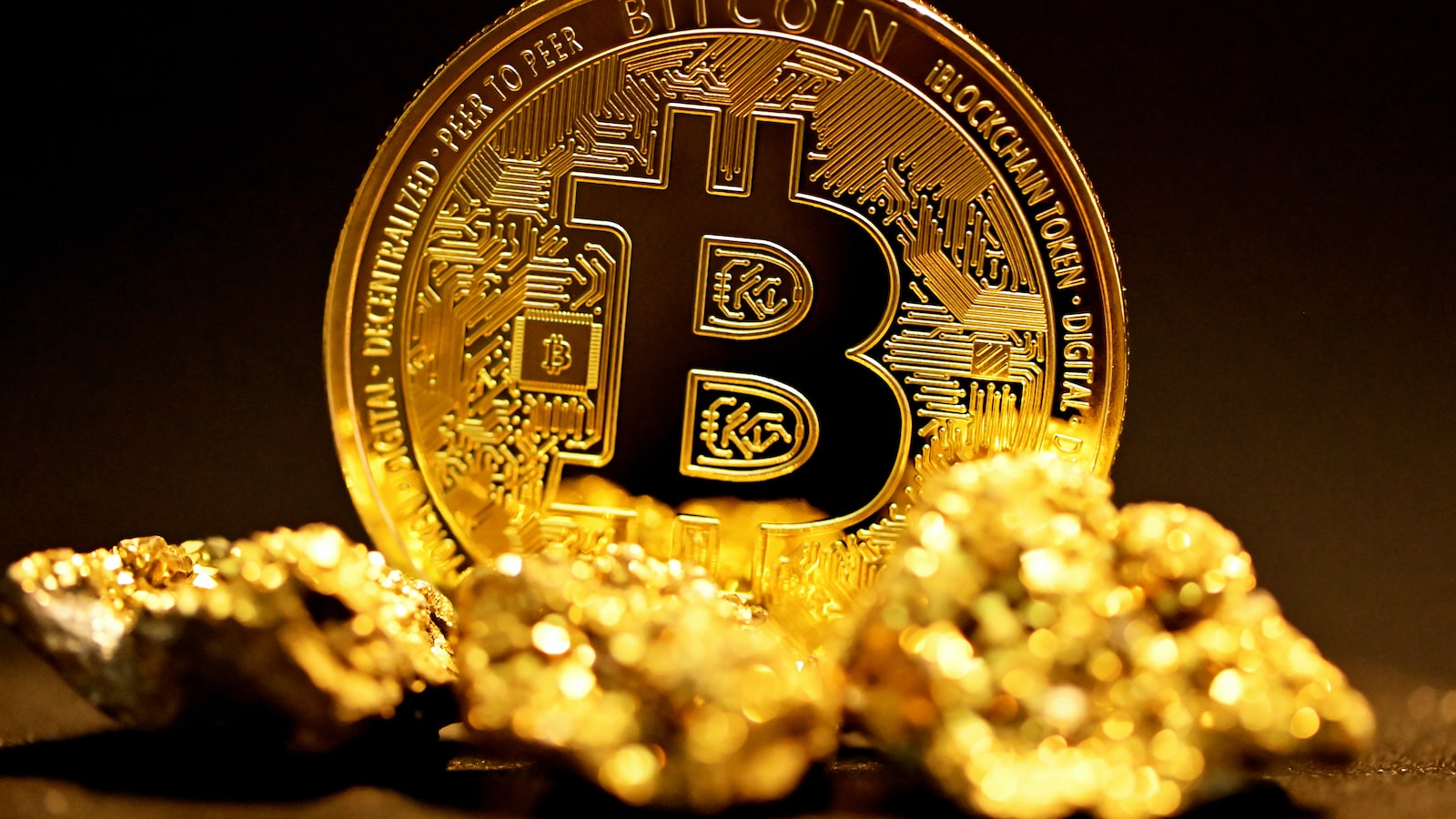
I. Introduction to Bitcoin
Bitcoin is a digital form of money, or a cryptocurrency, that imparts value and can be exchanged for goods and services. It uses a peer-to-peer network and is independent of any central bank. Transactions take place without a middleman and are secured digitally using cryptography.
Bitcoin represents a new technology for the financial sector and will bring abut transformational change to how transactions take place. This article will explain the history and concepts related to Bitcoin, the advantages and disadvantages, and how it can be used.
- History of Bitcoin: Bitcoin was first proposed in 2008 by an anonymous developer known as Satoshi Nakamoto. The network of users grew gradually and by 2012, it had become a virtual currency.
- Technology behind Bitcoin: Bitcoin is underpinned by the blockchain, a distributed ledger technology that records the movement of Bitcoin tokens and holds a record of all transactions.
- Advantages of Bitcoin: The benefit of Bitcoin lies in its ability to offer secure payments and transactions. The technology is transparent and also provides greater flexibility than traditional payment networks. Transactions are quick and take place without fees or delays.
- Disadvantages of Bitcoin: The biggest disadvantage of Bitcoin is its limited acceptance and lack of regulation. Other drawbacks include the risk of cyberattacks and potential for high volatility.
- Using Bitcoin: Bitcoin can be used for payments or as an investment asset. For payments, Bitcoin wallets can be used to store and exchange digital currency. For investment, traders can buy and sell Bitcoin on exchanges and speculate on its price movements.
II. The Impact of Bitcoin on the Financial Marketplace
Bitcoin, since its inception in 2009, has pushed the technology world and the finance world to expand their horizons. Its disruptive potential has had an immense impact on the financial marketplace, affecting the operations of many traditional firms and creating a whole new sector. Its impact can be seen in a few ways:
- Real-Time Transactions: Bitcoin transactions can be completed with rapid speed and efficiency, allowing for quick international payments and faster money transfers. Lower transaction charges also make it a more viable option for fund transfers.
- Cheaper Services: Cryptocurrencies, by eliminating the need of third-party institutions, makes a way for cheaper exchange rate and services for trading in cryptocurrencies.
- Ease of Access: With no geographical barriers, Bitcoin can be accessed anywhere in the world. This makes the process of payments and transfers more comfortable and quick.
- More Financial Opportunities: Cryptocurrencies open up the possibility of small investments by individuals, allowing them to make use of smaller amounts of money in order to benefit from the potential exchanges in the market.
These factors make Bitcoin an incredibly disruptive force in the financial marketplace, as more and more people have begun to investigate and invest in the cryptocurrency to benefit from its ability to maximize profits. It is clear that there is an important role for bitcoin and other cryptocurrencies to play in the future of finance.
III. Exploring the Future of Bitcoin
The future of Bitcoin is difficult to predict, with its future largely dependent on the wide range of individual and collective decisions that will be made in the near and long-term. However, there are a few areas in which trends and developments can be identified and examined.
- Increased Adoption: As Bitcoin continues to gain wider recognition as a legitimate asset and medium of exchange, its use is likely to become even more widespread.
- Evolution of Technology: Technological advances in security and decentralization measures are likely to make Bitcoin even more appealing to larger markets and industries.
- Regulatory Framework: Although it has been largely unregulated to date, countries around the world are beginning to develop and implement their own regulatory frameworks for Bitcoins.
Currently, the most likely future short-term development is the continued expansion of Bitcoin into larger markets. The opportunities created by technological advancements and an expanding regulatory framework will likely lead to more widespread adoption and use of Bitcoin. In the longer-term, Bitcoin’s future may rely on its ability to remain decentralized and censorship-resistant while still providing a secure and easy way for people to buy and sell goods and services.
The “Bitcoin: Understanding the Digital Revolution” primer has revealed how the world of digital finance has been revolutionized by Bitcoin and its peers. As the blockchain technology continues to evolve and mature, the possibilities of using Bitcoin for a wide array of purposes will open up further. As the digital currency continues to gain traction, staying abreast with the changes and innovations in this space is key to successfully leveraging the potential of this technology.