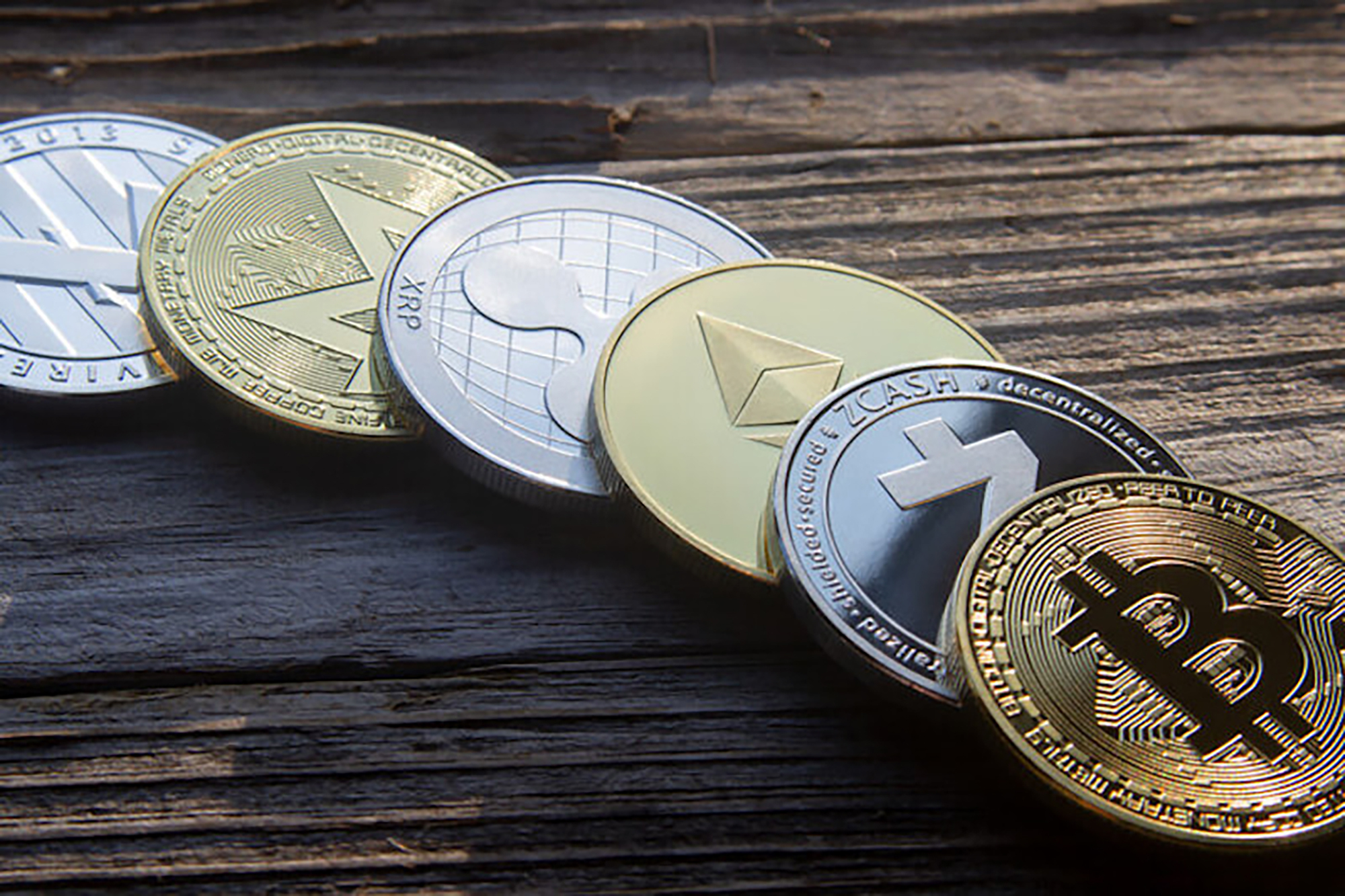
In the age of digital transformation, new technologies have emerged revolutionizing the way we view the world’s financial landscape. One such innovation is the concept of cryptocurrency, a revolutionary form of digital-only currency. An example is Bitcoin, a decentralized form of currency with no controlling central authority. Uncovering the world of Bitcoin and its wallets can help you better understand this new and innovative financial technology.
II. What Is a Bitcoin Wallet?
A Bitcoin wallet is a digital storage system that holds Bitcoin and other digital currencies, in much the same way a traditional wallet holds your paper money and other physical assets. A Bitcoin wallet works much like an online bank account with features such as:
- Making deposits and withdrawals
- Storing digital assets and virtual currencies
- Monitoring balance and transaction history
It can be used to send, receive, and store digital assets such as Bitcoin, Litecoin, Ether, and more. Much like a traditional bank account, a Bitcoin wallet requires authentication for each transaction. A private key, often referred to as a seed phrase, is used to authenticate transactions.
Unlike traditional banking systems, Bitcoin wallets do not use any third-party services for authentication. Instead, users control and manage their own digital assets, and no banks or other institutions can interfere with these funds. This is one of the major benefits of using Bitcoin, as it gives users complete control over their finances.
Due to its increasing prevalence, it’s important to explore what bitcoin is and the different wallets used to store them. Hopefully, the information presented in this article provides a better understanding of this complex digital currency. Learning more about bitcoin and its role in the global financial landscape will undoubtedly become increasingly important, and knowledge is key in this endeavour.