

In the world of cryptocurrency, Bitcoin remains the leading asset due to its long-standing presence and its reliable technology. This has led to the exploration of using Bitcoin as a viable asset for trading and investing, making it an increasingly popular choice for many investors. This article aims to discuss the potential pros and cons of selling Bitcoin, as well as the various options and strategies available to those wanting to leverage its volatility in order to make profits. We will examine the history of Bitcoin, the risks involved, and considerations to take into account when deciding how to proceed. Finally, we will explore the possibility of selling Bitcoin and the implications this could have.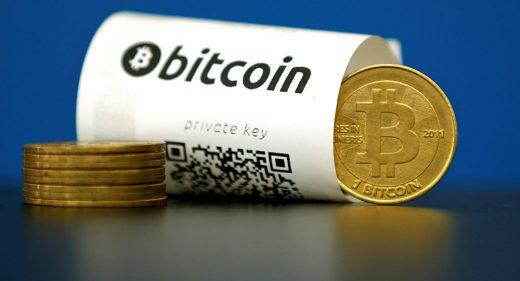
I. Introduction to Bitcoin
What is Bitcoin?
Bitcoin is a form of digital currency, created and held electronically. It’s the first example of a growing category of money known as cryptocurrency. No one controls it. Bitcoins aren’t printed, like dollars or euros – they’re produced by computers all around the world, using free software.
Bitcoin is relatively new and many people don’t understand its concept. It is based on the principle of decentralization, meaning that no one organization or government has control over it. It uses cryptography, the process of converting information into an almost uncrackable code, to secure and verify transactions. Bitcoins, created as a reward for a process known as mining, are a finite commodity. As the demand for bitcoins increases, more people look into mining and its possible rewards.
Use and Adoption
In the beginning, it was largely used as a medium of exchange among people to buy and sell goods and services on the internet. As its popularity grew, so did its legitimacy and use in the real world. It can now be used to purchase anything from a cup of coffee to a yacht. The currency has even been used in real estate deals. Over time, merchants have begun to accept Bitcoin as payment for their goods and services, which has led to increased demand and popularity.
The use of Bitcoin in retail and investing is growing. Major companies, including Microsoft and Dell, have begun to accept Bitcoin as payment. Additionally, services such as ATMs and financial exchanges are now available for those who wish to use Bitcoin. The currency’s future potential is vast, with many believing it to become the global currency of the future, while others view it as a store of value.
II. Existing Incentives for Selling Bitcoin
What Are the Benefits?
The sale of Bitcoin can be quite profitable for traders and investors. The decentralized nature of the cryptocurrency and its global reach have enabled trading of it with significantly lower fees and in different markets around the world. Additionally, the action of selling Bitcoin to acquire traditional currencies, assets, or goods can provide significant liquidity for those involved. Trade exchanges facilitate exchanges between different buyers and sellers, providing liquidity in an efficient system.
Incentives for Sellers
Incentives for sellers of Bitcoin include:
- Liquidity: As previously stated, Bitcoin allows for a more diverse and liquid market, helping individuals to acquire the needed funds to make purchases or pay off debt.
- Minimal Fees: The lower transaction fees when trading Bitcoin make it advantageous.
- Anonymity: One of the features of Bitcoin is the ability to maintain anonymity when engaging in digital asset transactions. This is especially beneficial for those looking to move their assets without facing much recognition.
Regulations for Sellers
Sellers of Bitcoin must also be aware of the regulations regarding the digital asset. Different countries have different rules and regulations related to the usage and circulation of these digital assets, and it is important for individuals engaging in transactions to be mindful of the laws of their country of residence, as well as any other pertinent laws regarding the digital asset. Additionally, many exchanges require traders to register and verify their identity in order to help ensure compliance with applicable laws and regulations.
III. Analyzing the Potential Impact of Selling Bitcoin
Before deciding whether to sell or hold Bitcoin, one should consider the potential effects of selling it. The most important concerns may include a reduced financial return, an increase in transaction costs, and a decrease in overall market liquidity. These factors need to be taken into account when weighing whether to sell or hold.
The primary concern when contemplating the sale of Bitcoin is the effect on potential financial returns. This is especially true when considering the current state of the global economy, where currency markets tend to be volatile. The risk of losing a major portion of any investment’s value is very real, particularly in this climate. Selling off Bitcoin holdings could put one’s remaining investments at a significant risk.
The second factor to consider with regard to selling Bitcoin is the impact on transaction costs. General costs like broker fees and commissions will apply, while additional costs may be incurred depending on how the Bitcoin is cashed out. These expenses can reduce the effective return of selling Bitcoin, and must be accounted for when budgeting for a potential sale.
Finally, selling Bitcoin will inevitably reduce the overall market liquidity. This can lead to large market swings, causing investments to become significantly more risky. Additionally, trading costs may also increase as spreads widen due to lower liquidity.
- Financial return — Selling Bitcoin could put one’s remaining investments at risk.
- Transaction costs — Additional costs may be incurred depending on the method of cashing out.
- Market liquidity — Reduced liquidity can lead to large market swings and higher trading costs.
In conclusion, this article has explored the possibility of selling Bitcoin. It has highlighted the potential benefits and drawbacks of this approach whilst highlighting potential solutions to the potential issues. It has also answered several questions that may have previously been left unanswered. For those interested in selling Bitcoin, this article provides a useful foundation of knowledge.