

In the modern world, the use of online banking and digital currencies continues to expand. One form of digital currency in particular, Bitcoin, has become increasingly popular in recent years for its potential advantages over traditional banking methods. In this article, we will explore the potential of Bitcoin to become a widely used form of payment in retail settings. We will discuss the advantages of Bitcoin as a payment method, how it could be used in retail, and the potential challenges it could face in becoming more widely adopted.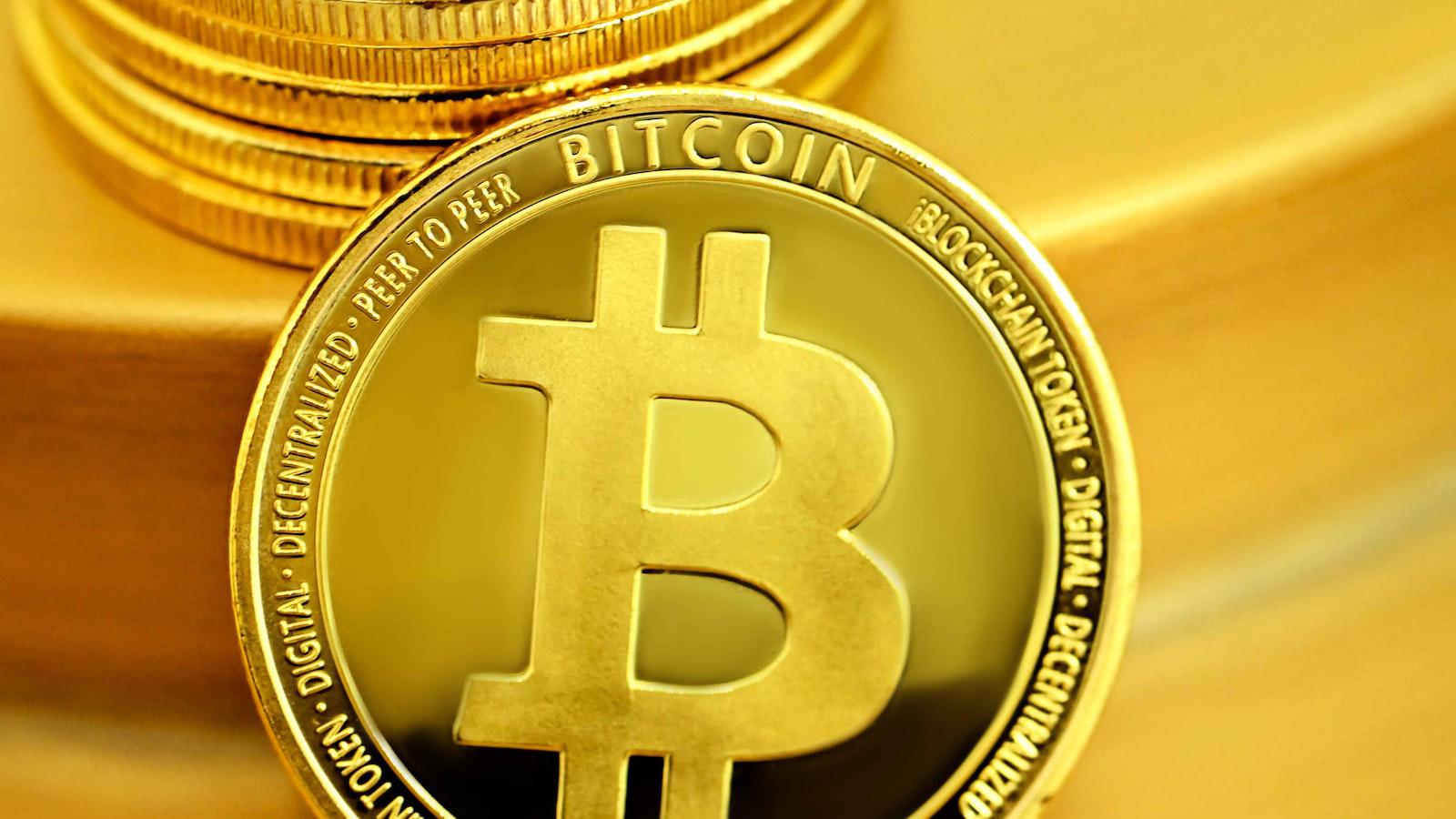
I. Introducing Bitcoin: Understanding the Basics
Bitcoin is a digital currency that is created and held electronically. It is the first decentralized digital currency, meaning that it is not issued or regulated by any central bank or governmental authority. As a result, Bitcoin can be used for virtually instantaneous and secure online payments, without the need for intermediaries such as banks or other payment processors. Bitcoin transactions are secured and verified by a peer-to-peer network, verifying the accuracy and validity of all transactions.
To use Bitcoin, one must first set up a “wallet” – an application which stores digital keys that can be used to access a wallet address and make transactions from it. This wallet address is how other Bitcoin users can send Bitcoin to each other, and can be represented as a long string of letters and numbers. Bitcoin wallets can be stored either online or offline, which provides extra security. Third-party wallets also exist, allowing users to store and access their Bitcoins through a secure online platform.
To use Bitcoin, one must first have Bitcoin. This can either be obtained through exchanges, services or “mining”. Exchanges are a great way to buy Bitcoin from other users, and some even offer the ability to purchase Bitcoin using different currencies. Services are more expensive, but provide users with the convenience of buying Bitcoin directly with their credit card. Lastly, “mining” requires a significant investment of time and energy to solve complex mathematical problems, thus verifying Bitcoin transactions and rewarding users with new Bitcoin.
II. Benefits of Bitcoin for Retailers
Fast, Secure and No Additional Merchant Fees
When it comes to making payments, one of the most significant benefits of Bitcoins for retailers is the speed and security of transactions. Unlike traditional payment methods, Bitcoin payments are nearly instantaneous, as they require no third-party authentication. This makes it possible for retailers to instantly confirm orders and transfer funds without waiting days or weeks for the payment to clear. Moreover, Bitcoin transactions are secured with the use of encryption, which means that they are virtually impossible to corrupt or reverse. And unlike traditional payment methods, when customers pay with Bitcoin, there are no additional fees for retailers.
Customer Privacy and Enhanced Security
Bitcoin payments also provide customer privacy and enhanced security. Traditional payments require customers to give out their personal information in order to make a purchase. With Bitcoin, customers can complete their transactions without having to provide their personal details. This means that customers can remain anonymous when making purchases, increasing their security and enhancing their customer experience. Furthermore, because Bitcoin transactions are secured with the use of encryption, retailers can be sure that their customers’ data is safe and secure.
Increased Visibility and Efficiency
In addition to the benefits mentioned above, Bitcoin also offers retailers increased visibility and efficiency. Because Bitcoin payments are made using a public ledger, retailers can easily track and confirm their payments. This improves the accuracy of accounting and makes it easier to reconcile payments. Moreover, because Bitcoin payments can be made anywhere in the world, retailers can expand their customer base and reach new markets with ease. This increased efficiency reduces transaction fees and helps retailers to maximize their profits.
III. Risks and Challenges of Bitcoin in a Retail Setting
Volatility
The price of Bitcoin is highly volatile, or in simpler terms, swings a great deal within a short time-span. This poses a very real risk for retailers who accept it as a form of payment. For traditional businesses, a sudden drop in the price of Bitcoin would mean losses in the form of unrealized profits. Even slight fluctuations in the value of Bitcoin can cause anxiety and difficulty for businesses determining their pricing structure.
Legality
A further challenge that retailers may face when looking to adopt Bitcoin as a primary payment method is the legal framework surrounding it. Due to its decentralized nature and lack of government regulation, there is significant uncertainty surrounding the validity and status of Bitcoin around the world. This can make it difficult for businesses to understand its place within the progress of technology and commerce, and can also lead to potential liabilities depending on the jurisdiction.
Security
Bitcoin is a secure and reliable form of payment when used correctly. However, it is vulnerable to theft due to the ease of which private keys can be accessed and transferred maliciously. For retailers adopting Bitcoin, this means that they must deploy the right security protocols to ensure that all user accounts and transactions are safe and secure. Additionally, the decentralized nature of Bitcoin can mean that retrieving funds in case of a theft or lost currency is difficult when compared to traditional financial systems.
In summary, this article has discussed the potential benefits and risks associated with using Bitcoin in retail settings. It has highlighted aspects such as increased customer satisfaction, improved operational efficiency, and the ability to easily facilitate global transactions. As Bitcoin continues to grow in popularity, it behooves retailers to consider its capabilities and how it may be integrated into their existing retail operations. By doing so, retailers could potentially unlock a range of new possibilities, giving them a competitive edge in this increasingly digitalized world.